Urban Governance, Local Resilience, and Inclusive Local Development in Lebanon and Morocco
Urban Governance, Local Resilience, and Inclusive Local Development in Lebanon and Morocco
NEWMED2030 aims to strengthen participatory urban governance, improve access to local services, and promote inclusive local economic development, with a focus on women and young people, in cities in Lebanon and Morocco.

4.000.000 Euros

Introduction
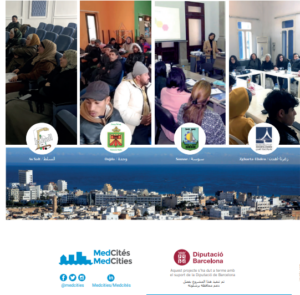
The project will work with four municipalities in Lebanon and four municipalities in Morocco to increase their urban governance, local resilience and inclusive local development.
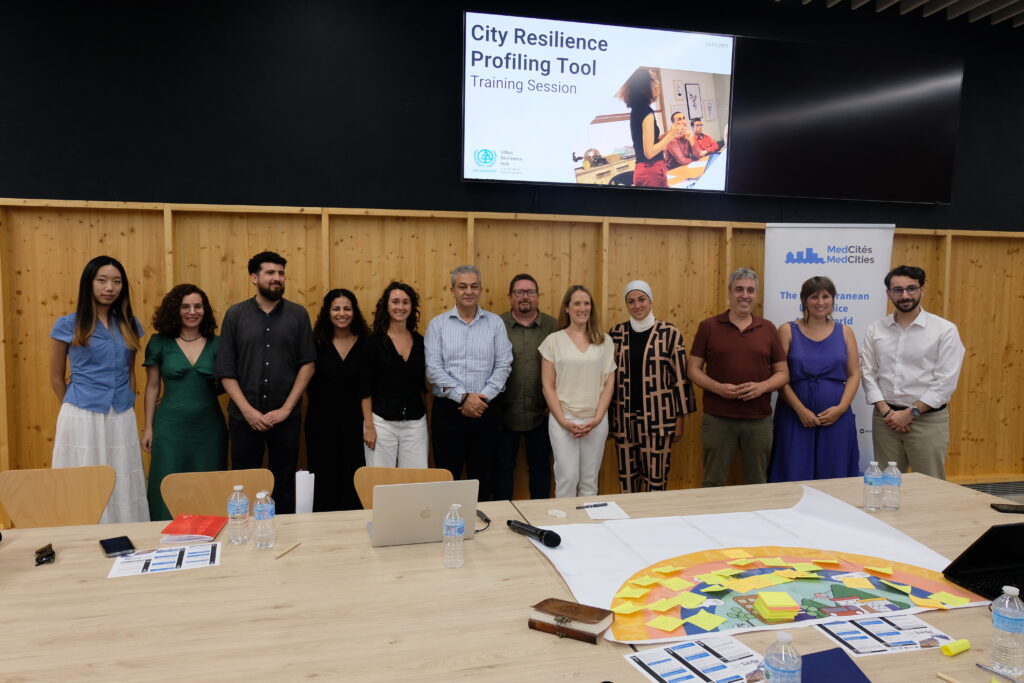
The first phase of the project will focus on developing evidence-based participatory strategic plans, by actively involving local authorities, civil society and communities. The City Resilience Profile Tool (CRPT) will be one of the main methodologies used for the diagnosis of the cities’ hazards and vulnerabilities, and to assess potential future actions.
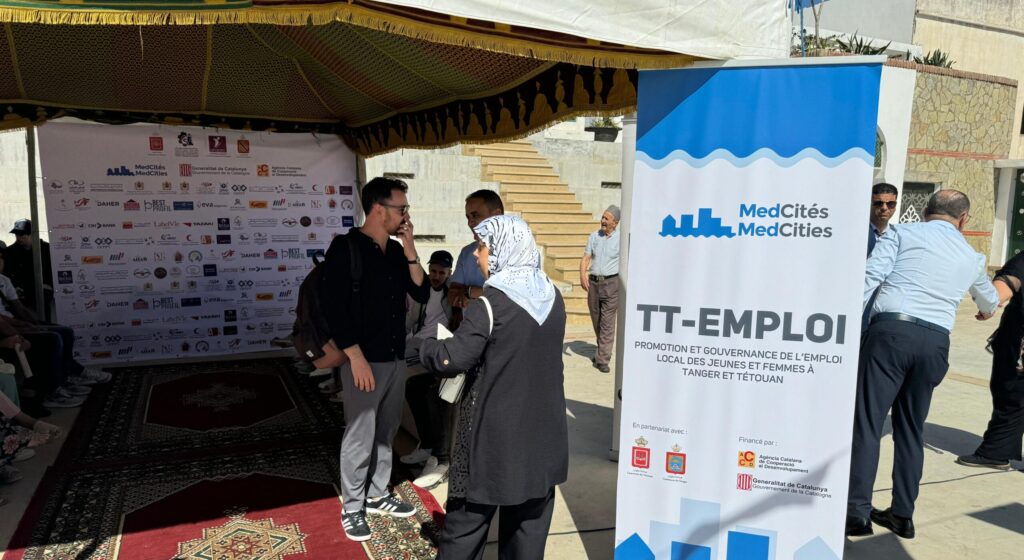
The second phase, based on the analysis made, will aim to improve public services and social infrastructure through 4 selected pilot projects per country. It will also promote inclusive local economic development and livelihood opportunities. To do so, it will develop inclusive roadmaps and organize job fairs, consultative sessions, business incubator programmes, and professional training programmes in each country.
The project also includes a regional component with the main aim to ensure methodological coherence, knowledge exchange and policy dialogue across Lebanon and Morocco. Moreover, it will ensure that the country-level experiences feed into the regional learning process with policy-relevant knowledge.
Context
Since 2024, Lebanon has been facing unprecedented hostilities and destruction in the housing and basic services sectors due to the ongoing war between Israel and Hezbollah. This has caused massive internal displacement, raising demand on basic services and infrastructure in the safer regions. This adds to the already existing crises at the economic, institutional and territorial levels, including the economic collapse since 2019, as well as long-standing structural constraints.
Local authorities operate under severe limitations, public services have significantly deteriorated, and any intervention must be conceived within a fragile, crisis-affected environment where recovery and resilience are central.
Therefore, it remains relevant to rethink strategic planning that would respond to changing needs, enhance services while promoting job and employment opportunities.
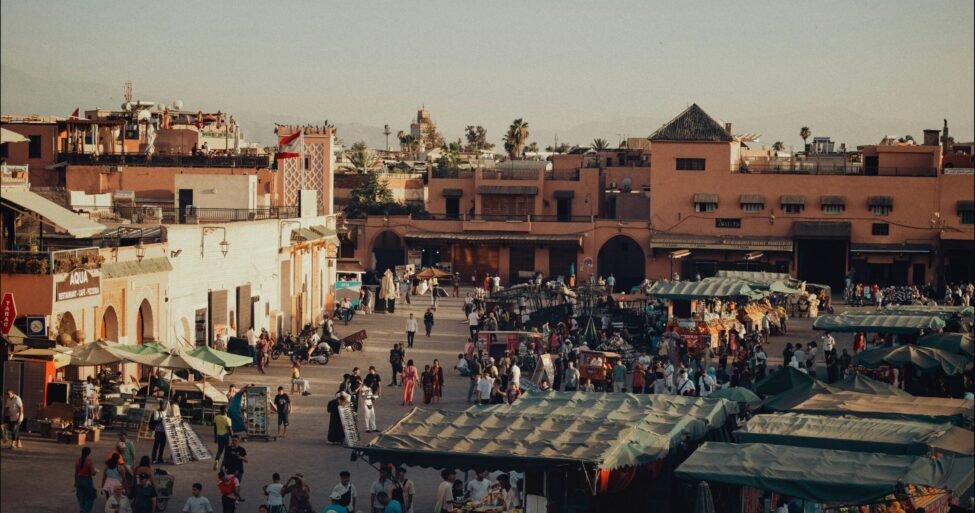
Morocco, by contrast, has adopted an ambitious reform agenda, including a regionalization process and decentralization policies. Nonetheless, their effective operationalization at the local level remains a challenge.
On the one hand, structural disparities between regions impact access to basic services, economic opportunities, and infrastructure, particularly affecting vulnerable populations. On the other hand, local authorities face several limitations including limited financial resources, technical expertise and institutional coordination.
As a result, strengthening local governance capacities, enhancing participatory planning mechanisms, and multi-level coordination are essential to bridging this gap. This will provide the conditions for better delivery of public services and infrastructure and promoting local economic development.
Objectives
General objective
Strengthen participatory urban governance, improve access to local services, and promote inclusive local economic development, with a focus on women and young people in Lebanon and Morocco.
Specific objectives
BENEFICIARY:
SDGs ADDRESSED
Also relevant to:
-SDG 10: Reduced Inequalities (by addressing intersectional barriers in urban access)
-SDG 16: Peace, Justice and Strong Institutions (through inclusive governance and participatory planning)
-SDG 17: Partnerships for the Goals (through international cooperation and city-to-city exchanges)
Subscribe to the monthly newsletter to receive the latest news.
Nam porttitor blandit accumsan. Ut vel dictum sem, a pretium dui. In malesuada enim in dolor euismod
Nam porttitor blandit accumsan. Ut vel dictum sem, a pretium dui. In malesuada enim in dolor euismod

Nam porttitor blandit accumsan. Ut vel dictum sem, a pretium dui. In malesuada enim in dolor euismod

Nam porttitor blandit accumsan. Ut vel dictum sem, a pretium dui. In malesuada enim in dolor euismod
Nam porttitor blandit accumsan. Ut vel dictum sem, a pretium dui. In malesuada enim in dolor euismod

Nam porttitor blandit accumsan. Ut vel dictum sem, a pretium dui. In malesuada enim in dolor euismod