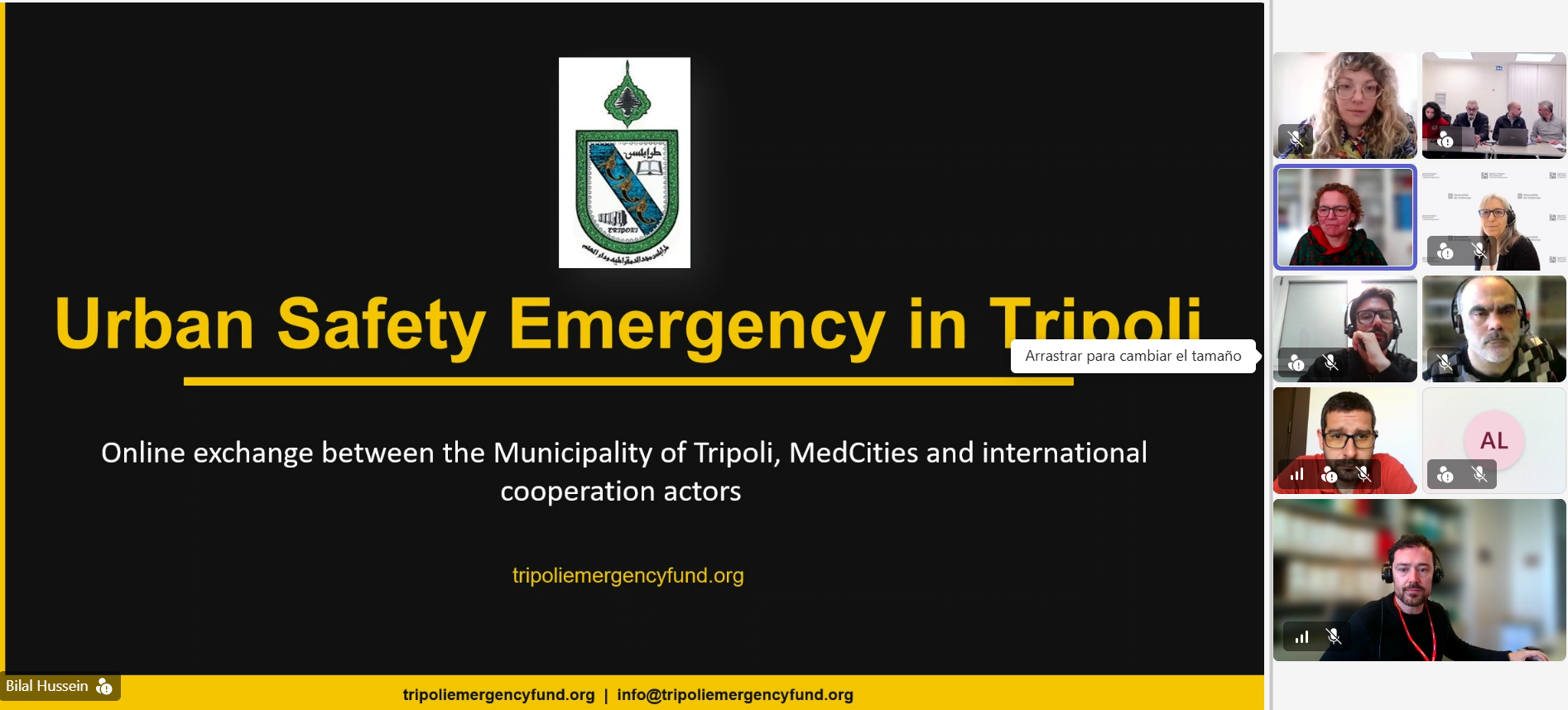
At the beginning of February 2026, the city of Tripoli (Lebanon) experienced the collapse of several residential buildings, resulting in 16 casualties and revealing a much broader structural risk across the city center. In the weeks that followed, more than 800 buildings were identified as being at risk of collapse, over 39 buildings were evacuated, and more than 10,000 families were affected or exposed to risk, particularly in vulnerable neighbourhoods such as Bab al-Tabbaneh and Qobbeh.
Despite reacting in a context marked by economic crisis and ongoing war, the Municipality of Tripoli has demonstrated a remarkable capacity for rapid response, positioning itself as a strong example of local resilience under pressure. In less than two months, the municipality has activated a coordinated emergency mechanism, mobilising key actors including the Order of Engineers and Architects, Civil Defence, and the Lebanese Red Cross, among others. This comprehensive operational system, quickly put in place, covers the full response chain: from citizen reporting through a 24/7 hotline, to the quick structural assessments and risk classification of buildings, evacuation decisions, and humanitarian assistance. This has enabled the local administration to prioritise urgent cases and act fast to protect the most affected ones, despite the complex situation in the country with IDPs.
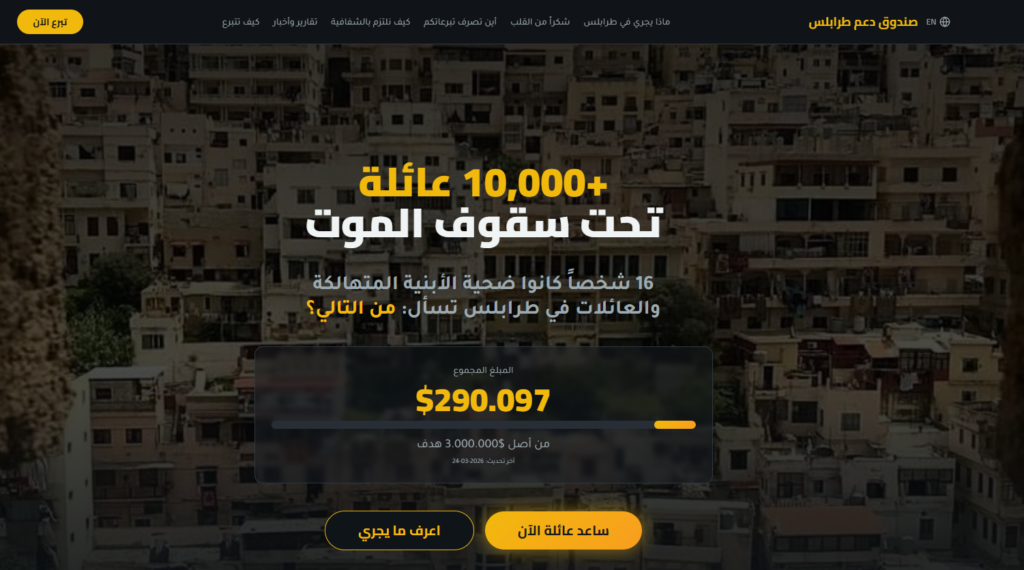
To date, hundreds of buildings have already been assessed, evacuated, and identified as requiring rehabilitation. A key component of this rapid response has been the development of tools to strengthen coordination and transparency. The municipality has introduced a real-time response tracking system, allowing continuous monitoring of reported cases, interventions and progress across the city. In parallel, the municipality has launched the Tripoli Emergency Fund, a platform has that allows the mobilisation of resources while reporting real time information, providing visibility on how funds are allocated and interventions progress, helping to build trust among citizens and international stakeholders.
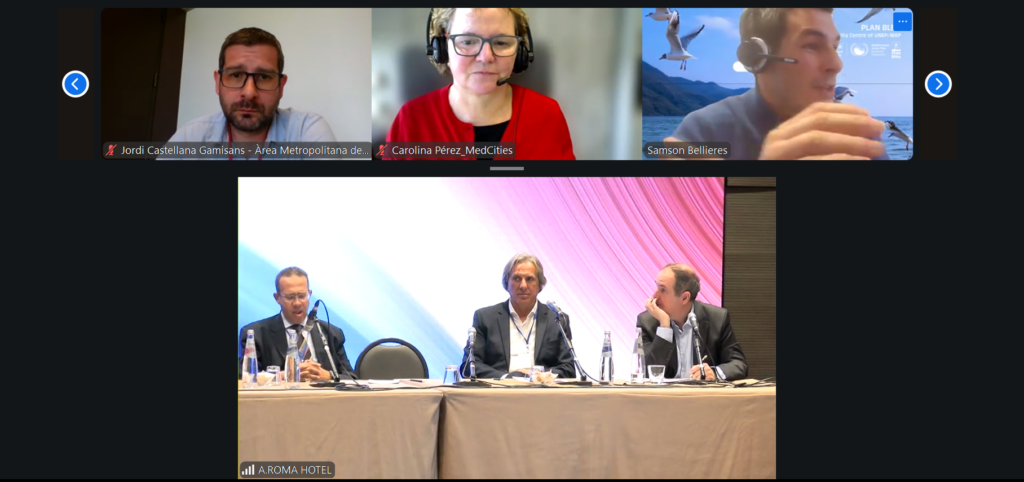
Digital technologies are emerging as a key driver in improving the management of natural resources across the interconnected Water-Energy-Food-Ecosystems (WEFE) Nexus. By integrating both established and emerging digital tools, institutions can enhance efficiency, sustainability, and resilience across sectors, particularly within the Source-to-Sea (S2S) continuum. Efforts to accelerate this transformation are already underway. Since 2024, a […]
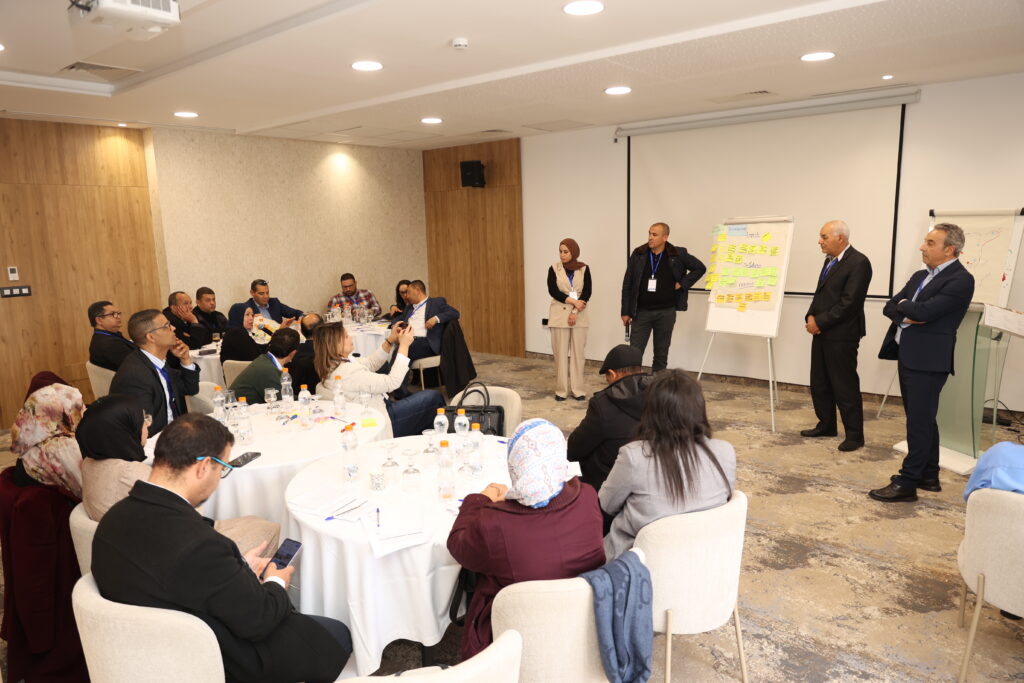
MedCities and GIZ Tunisia, in partnership with the Tunisian Ministry of the Interior, are organising a launch event in Tunis to kick off exchange activities between Tunisian municipalities as part of the UrbA-CliMa project.
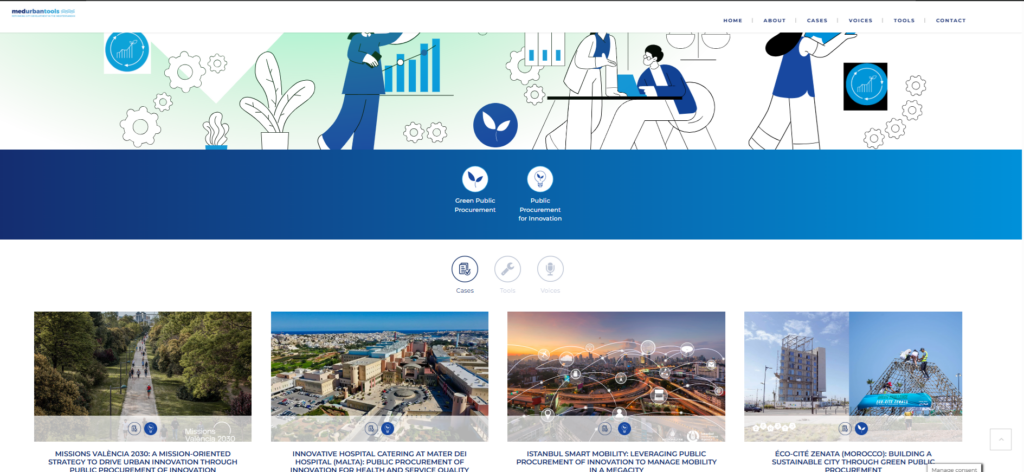
A new resource hub developed by MedCities promotes sustainable and strategic public procurement across the Mediterranean.
Subscribe to the monthly newsletter to receive the latest news.
Nam porttitor blandit accumsan. Ut vel dictum sem, a pretium dui. In malesuada enim in dolor euismod
Nam porttitor blandit accumsan. Ut vel dictum sem, a pretium dui. In malesuada enim in dolor euismod

Nam porttitor blandit accumsan. Ut vel dictum sem, a pretium dui. In malesuada enim in dolor euismod

Nam porttitor blandit accumsan. Ut vel dictum sem, a pretium dui. In malesuada enim in dolor euismod
Nam porttitor blandit accumsan. Ut vel dictum sem, a pretium dui. In malesuada enim in dolor euismod
Nam porttitor blandit accumsan. Ut vel dictum sem, a pretium dui. In malesuada enim in dolor euismod