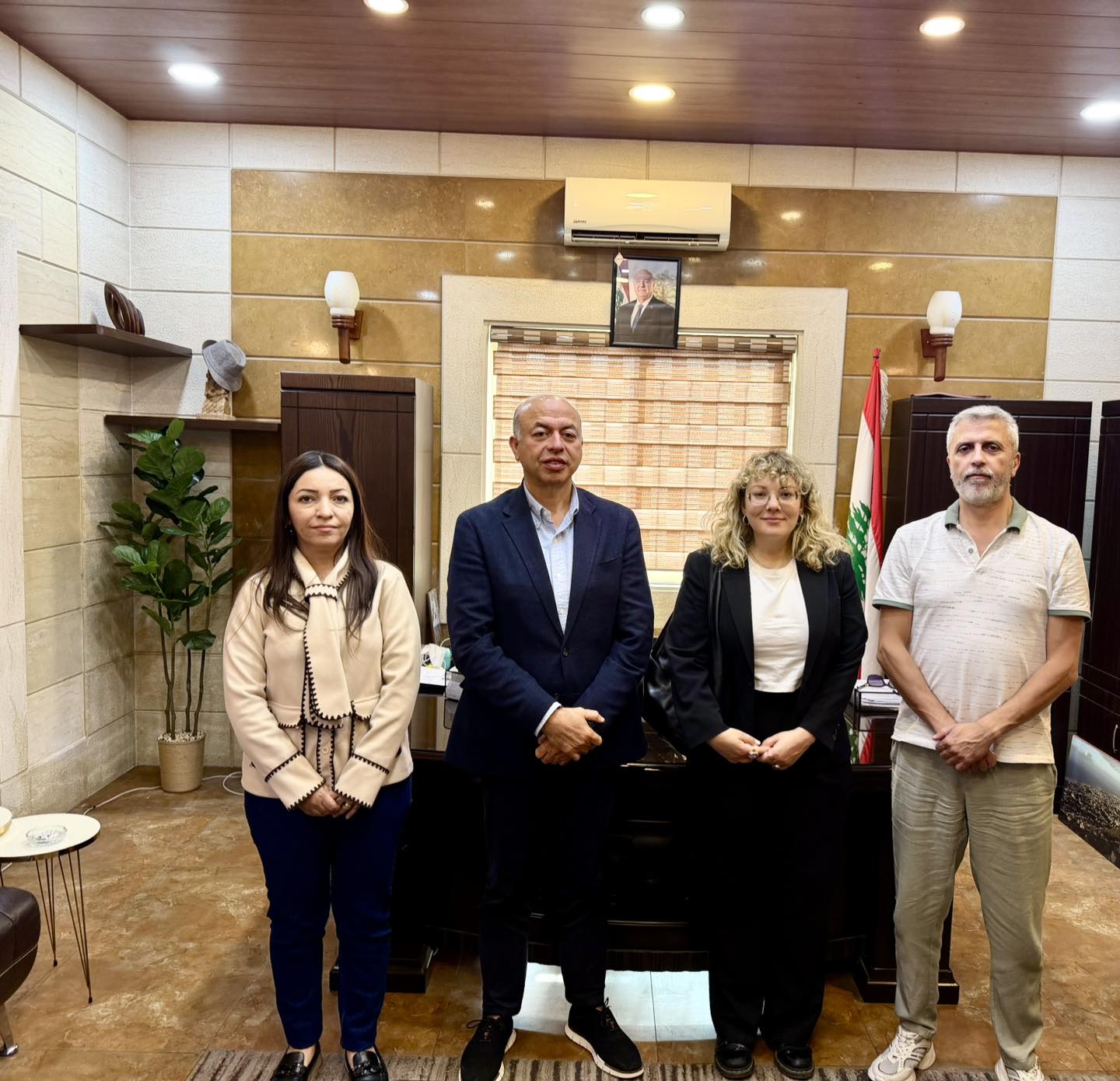
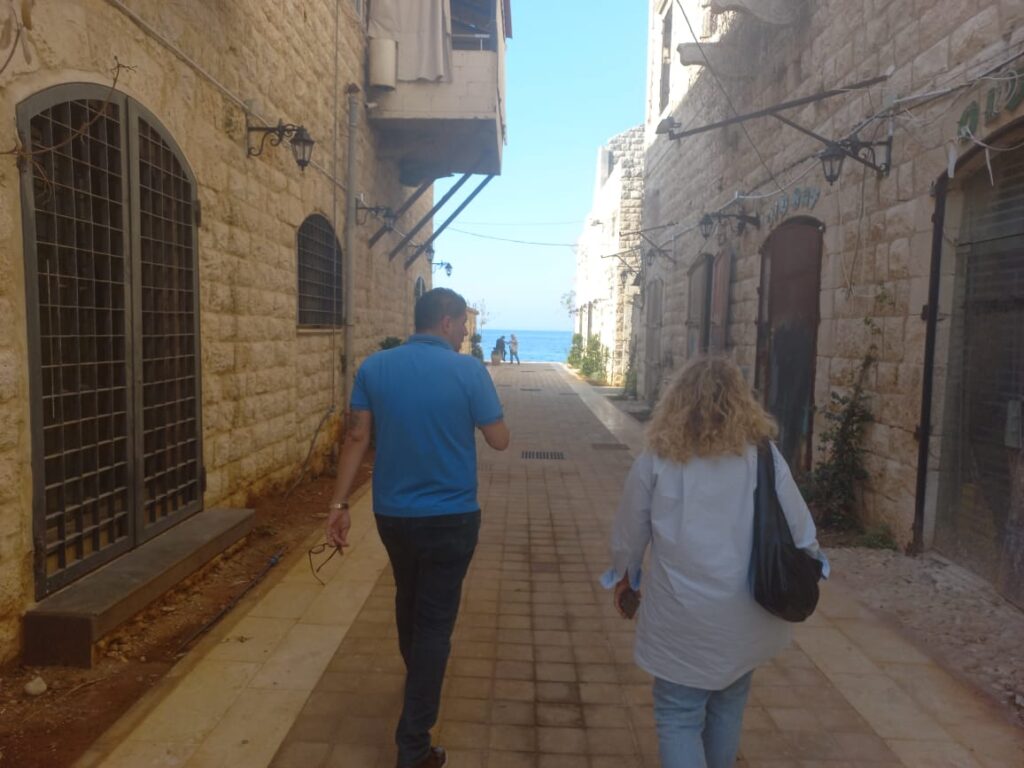
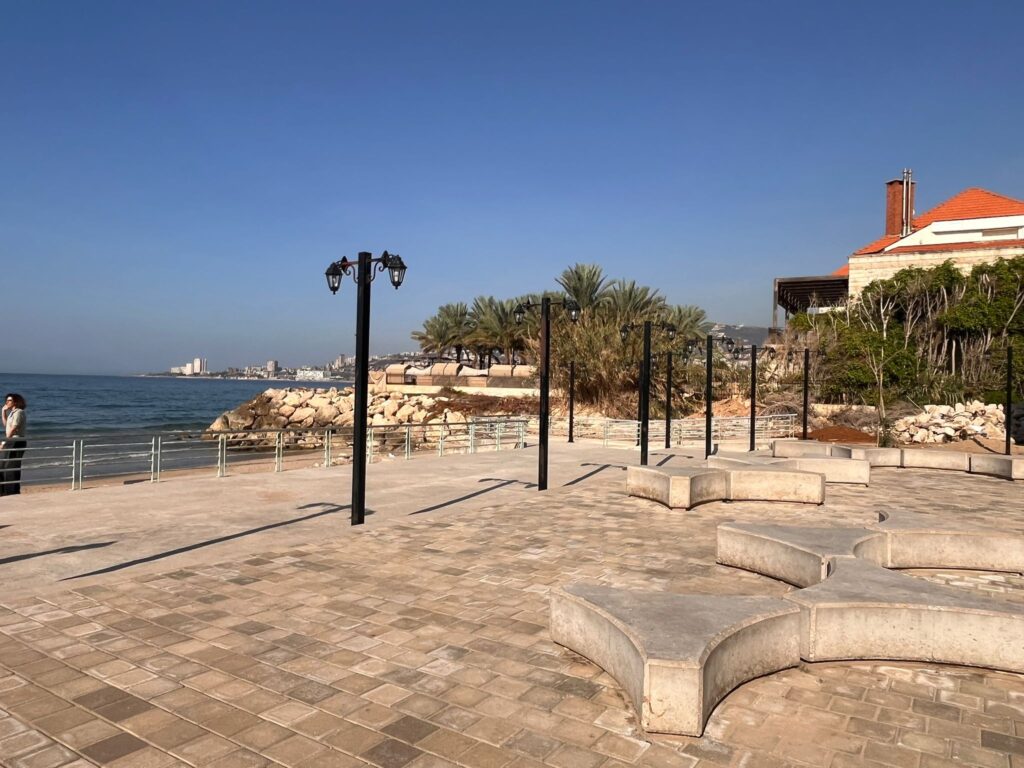
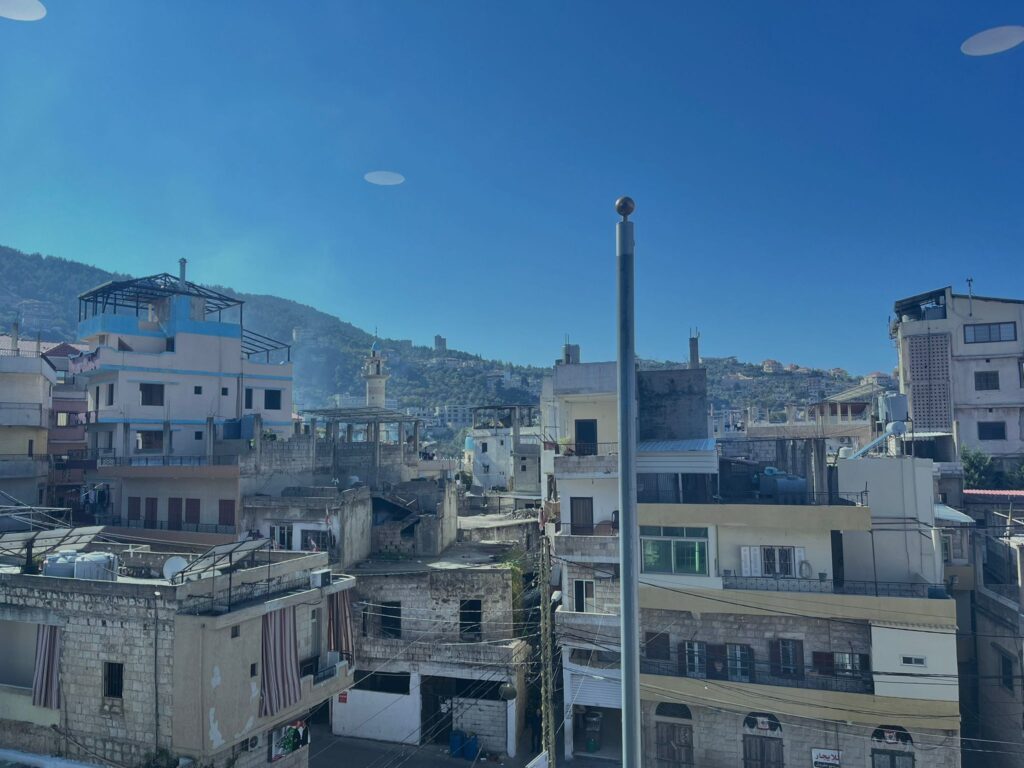
MedCities has carried out an institutional mission to Lebanon to strengthen collaboration with several member municipalities of the network and identify new project development opportunities in areas such as coastal cities, green spaces, biodiversity, and socio-economic development. The mission allowed the team to gain firsthand insight into the current needs of the territory and to deepen its understanding of the ecosystem of local actors and experts involved in urban and environmental governance.
Thanks to the support and guidance of the Spanish Agency for Cooperation and Development (AECID), which facilitated the generation of synergies and the establishment of direct contacts with the country’s main international actors, MedCities met with the Spanish Embassy in Lebanon and the European Union Delegation (EUD), where the entity’s main lines of work and the NATURIncMed project, funded by AECID and currently underway in El Mina, were presented.
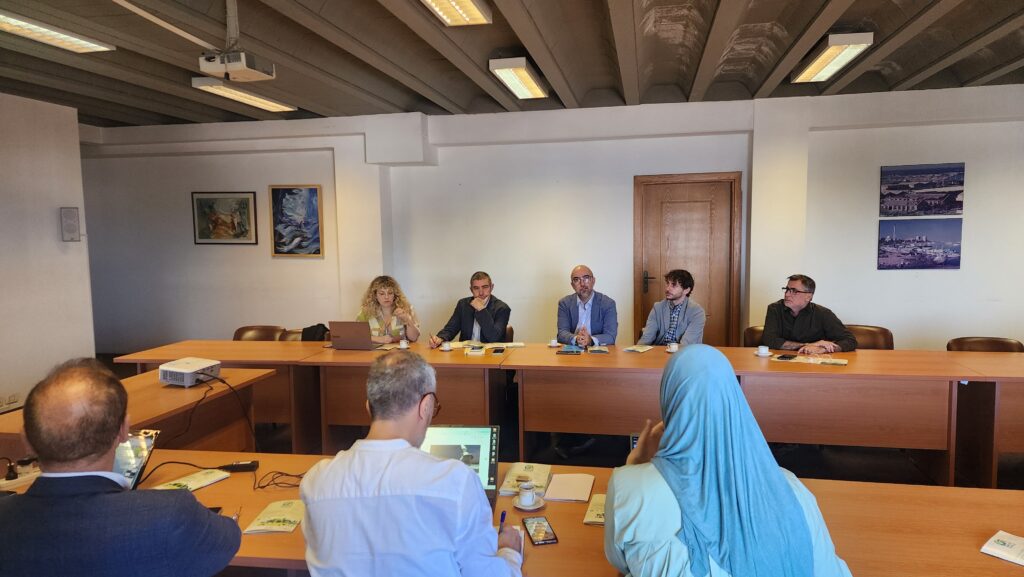
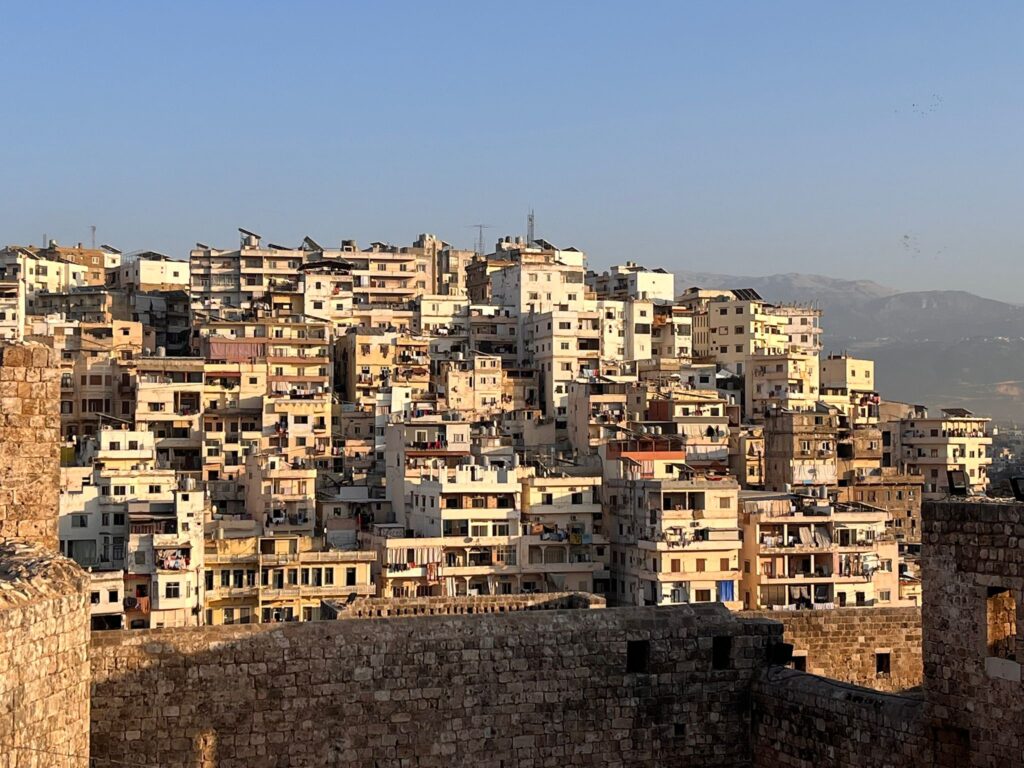
Additionally, MedCities held meetings with UN-Habitat and UNDP Northern Lebanon to jointly analyze the main urban challenges and explore potential synergies in resilience, sustainable urban planning, and socio-economic development.
The mission included visits and meetings with various municipalities and municipal unions that are members of the network, with the intention of identifying future project opportunities and understanding the specific needs of each territory. Among these were the Municipality of El Mina, within the framework of the monitoring of the NATURIncMed project pilot; the Union of Municipalities of Dannieh; the Union of Municipalities of Minieh; the Urban Community of Al Fayhaa (Tripoli); the Municipality of Tripoli, within the MELUP project focused on green spaces with a gender perspective, a project funded by the Catalan Agency for Development Cooperation (ACCD); as well as the Municipality of Batroun and the Union of Municipalities of Batroun, including a visit to the waste management plant; and finally, the Municipality of Jounieh. These meetings enabled the identification of new municipal focal points and the definition of priority work areas aligned with the MedCities work axes, aimed at strengthening municipal capacities.
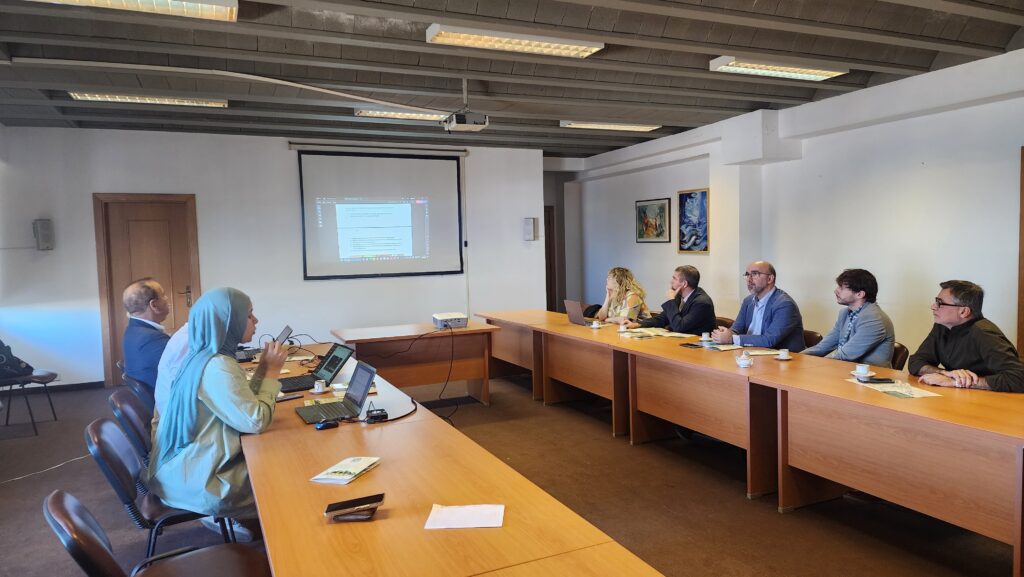

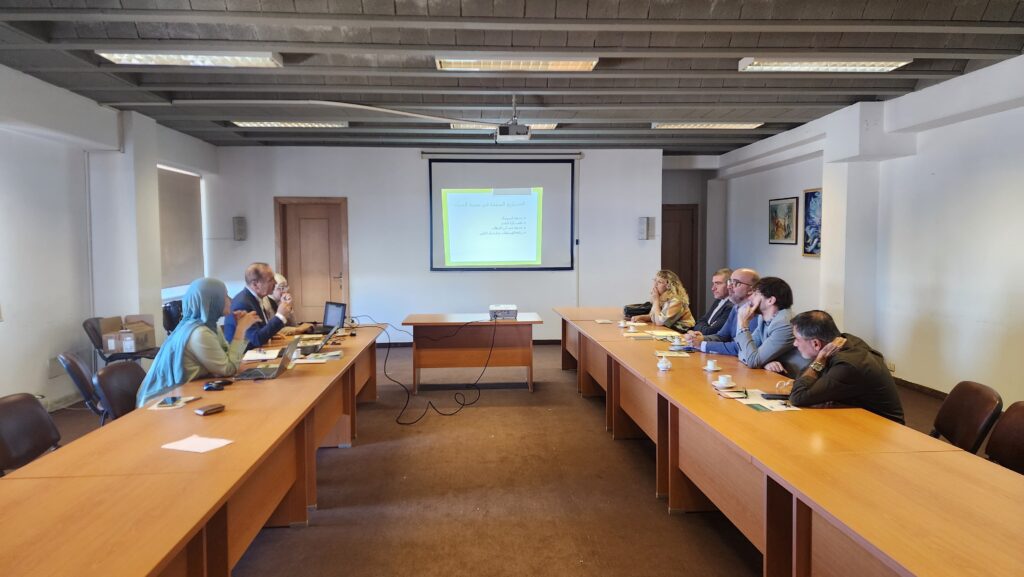
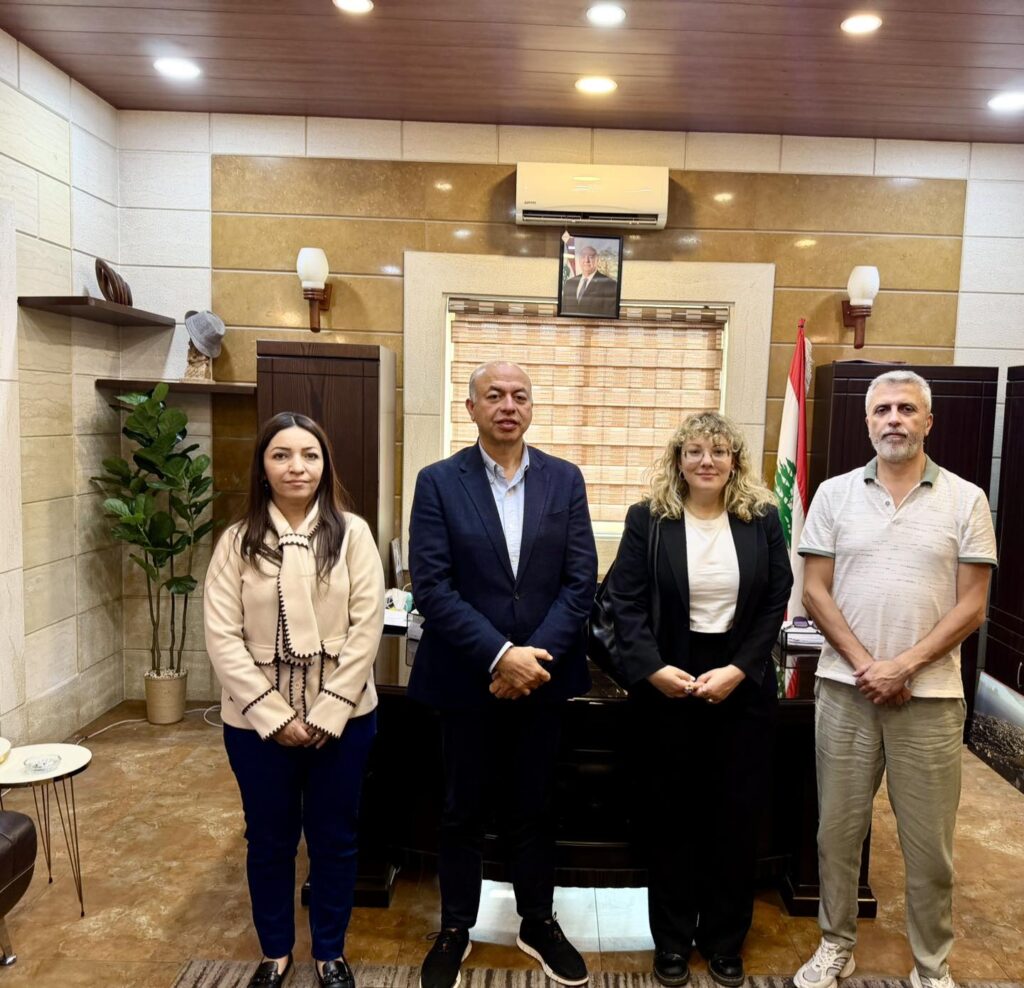
At the same time, MedCities also met with experts and academic institutions specializing in GIS, urban planning, efficient water management, local development, community participation, and Zero Waste solutions.
These contacts have been essential for understanding the ecosystem of actors involved in urban development in Lebanon and for identifying potential partners for future projects within the network.
It is important to note that MedCities has a long history of work in Lebanese cities, and this mission has been crucial in identifying new opportunities and priorities following the recent municipal elections.
A new resource hub developed by MedCities promotes sustainable and strategic public procurement across the Mediterranean.

MedCities actively participated at the Regional Conference on Water-Energy-Food-Ecosystems Nexus in the Mediterranean Source-to-Sea Continuum: From Strategy to Action in Nicosia, bringing the perspective of local authorities...

Hosted by Malta’s Energy and Water Agency and MedCities, the two-day event focused on the URWAN NbS Enabler Pack, led by MedCities...
Subscribe to the monthly newsletter to receive the latest news.
Nam porttitor blandit accumsan. Ut vel dictum sem, a pretium dui. In malesuada enim in dolor euismod
Nam porttitor blandit accumsan. Ut vel dictum sem, a pretium dui. In malesuada enim in dolor euismod

Nam porttitor blandit accumsan. Ut vel dictum sem, a pretium dui. In malesuada enim in dolor euismod

Nam porttitor blandit accumsan. Ut vel dictum sem, a pretium dui. In malesuada enim in dolor euismod
Nam porttitor blandit accumsan. Ut vel dictum sem, a pretium dui. In malesuada enim in dolor euismod

Nam porttitor blandit accumsan. Ut vel dictum sem, a pretium dui. In malesuada enim in dolor euismod