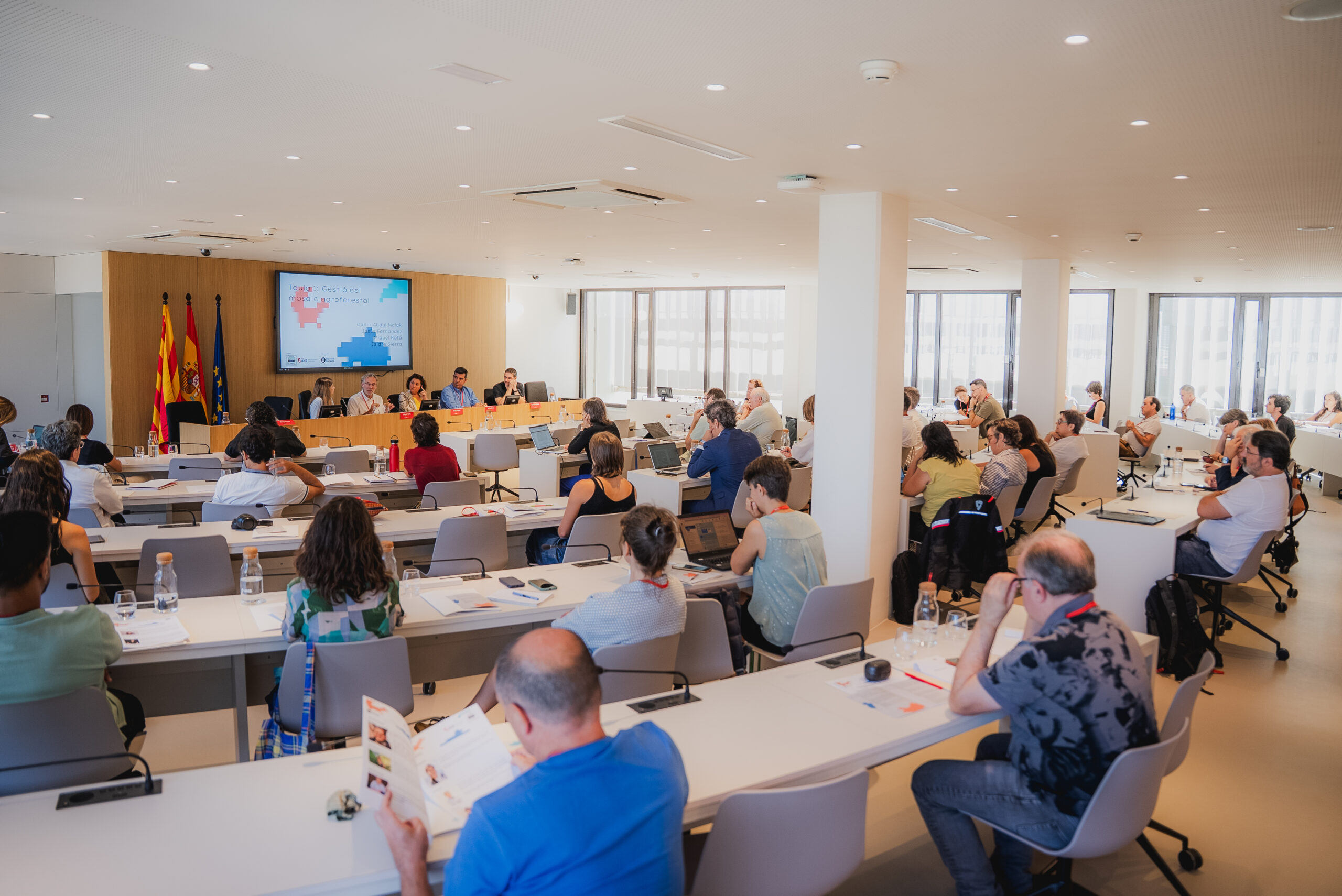
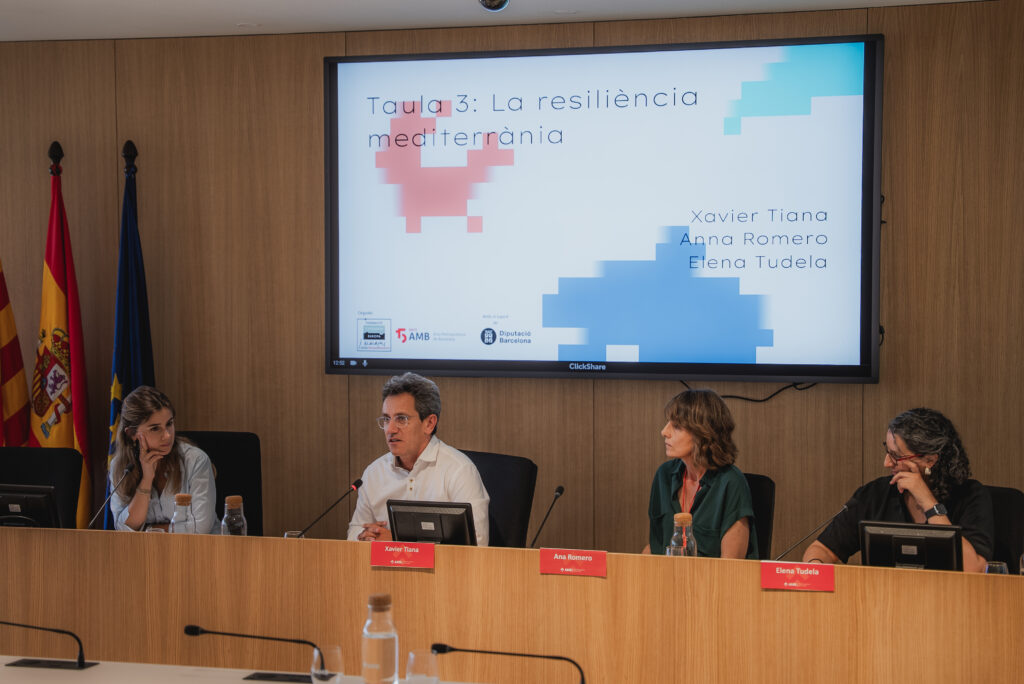
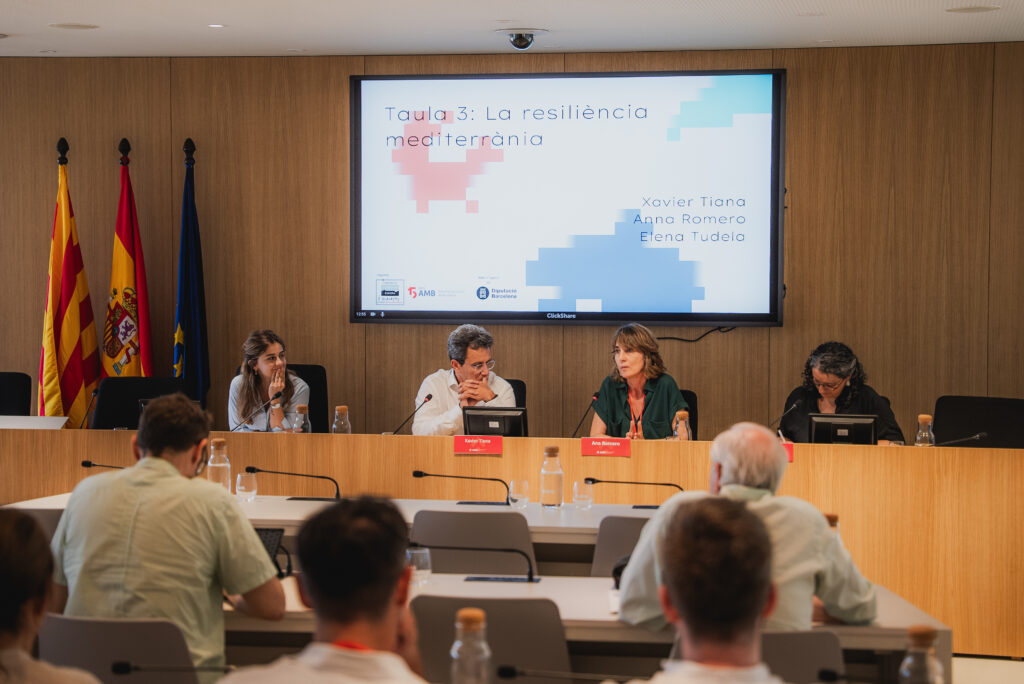
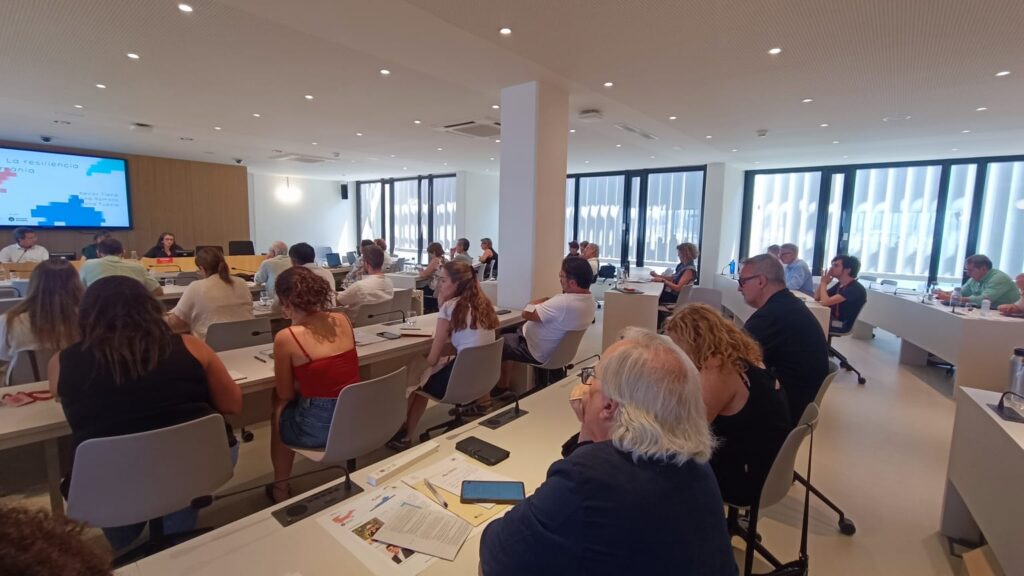
Around sixty professionals, researchers and institutional representatives are taking part in the second edition of Metròpolis en Transformació, organised by the Catalunya Europa Foundation in collaboration with the Barcelona Metropolitan Area and with the participation of MedCities.
The event brought together political leaders, experts and Euro-Mediterranean cooperation institutions to address one of the region’s major shared challenges: how to adapt Mediterranean cities to the impacts of climate change through a territorial resilience approach.
Discussions focused on key issues such as adaptive forest management and the prevention of large wildfires, the restoration of river ecosystems to tackle drought and water stress—including flood management and prevention—and the need for a metropolitan perspective that acknowledges the diverse realities on both shores of the Mediterranean.
Within this framework, MedCities contributed its experience as a cooperation network of 91 Mediterranean cities, promoting projects on local governance, climate adaptation and biodiversity protection that connect administrations from both the northern and southern Mediterranean. To provide a scientific perspective, the session also featured Dania Abdul Malak, Director of the European Topic Centre of the University of Málaga (ETC-UMA).
«When we think about forests, we picture beautiful places full of biodiversity. However, when they are close to urban areas, they must also be understood and managed as tools to reduce temperatures, provide essential ecosystem services such as protecting water resources, and strengthen climate resilience. Forests are irreplaceable assets, but they can only fulfil these functions if they are properly managed. Above all, we need a Mediterranean-wide perspective that includes both the northern and southern shores.»
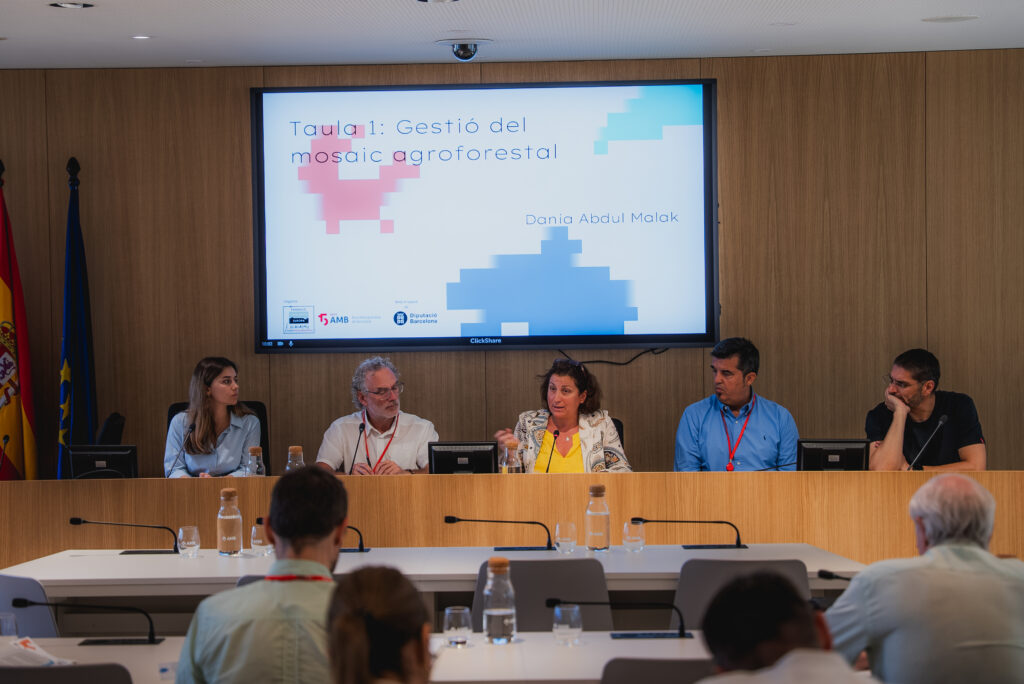
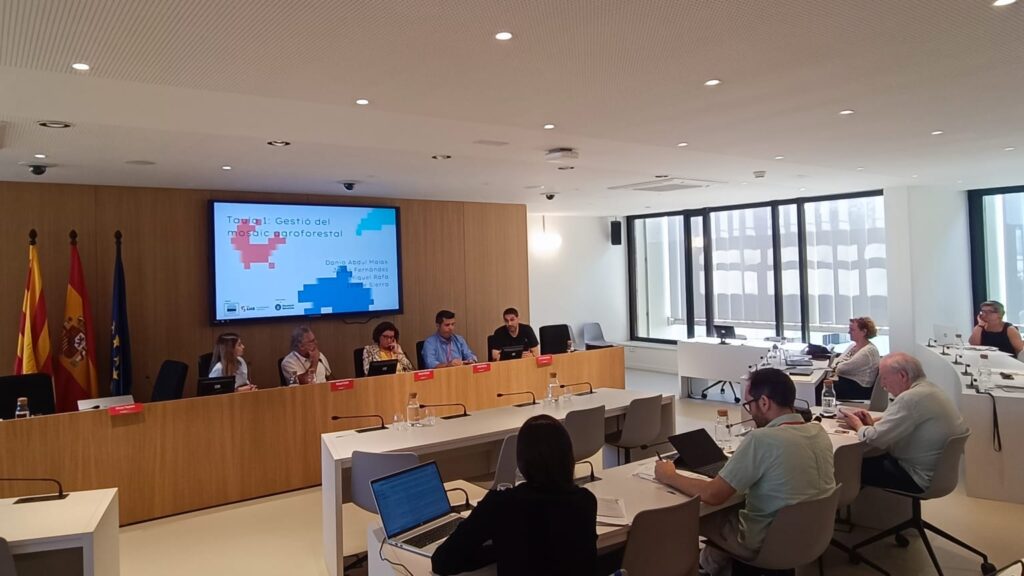
Against the backdrop of the severe wildfires affecting different parts of the country and the increasingly visible impacts of climate change, experts in territorial planning, forest management, ecology and Mediterranean cooperation agreed on the need to promote more active land management to strengthen resilience to climate-related risks. Representatives from the Barcelona Metropolitan Area (AMB) also participated, including Xavier Tiana, Management Coordination Officer, who stated:
«Sustainable management is no longer about simply conserving nature; it is about making territories resilient so that the people who live there can continue to do so in the coming decades while preserving the biodiversity we have today.»
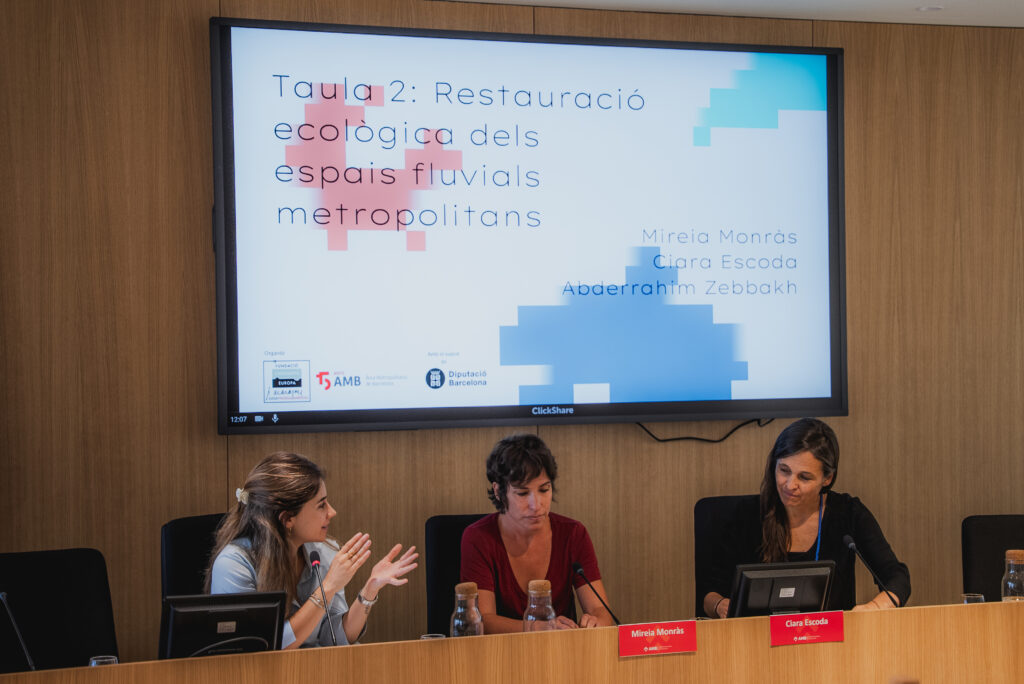
The conference highlighted that the major wildfires currently affecting the Mediterranean are not only the result of rising temperatures, but also of decades of agricultural land abandonment, the loss of traditional agroforestry landscapes, unplanned forest expansion and the lack of active forest management.
In this regard, Dania Abdul Malak (ETC-UMA) stressed that:
«Wildfires are not the root of the problem; they are the consequence of decades of silent and gradual changes in Mediterranean landscapes driven by human intervention.»
Speakers agreed that prevention requires restoring agroforestry management, strengthening cooperation between public authorities, landowners and civil society, ensuring stable funding, and recognising forests as essential infrastructure for climate adaptation, including in urban environments.
Throughout the different sessions, participants also addressed the need to restore metropolitan river ecosystems in order to recover their ecological functions and reduce vulnerability to droughts, floods and other extreme events. Experts agreed that river restoration and nature-based solutions will only be effective if accompanied by long-term maintenance, strategic planning and shared governance.
The discussions also offered an international perspective through experiences from Mexico, Málaga and Lebanon. In particular, Elena Tudela, founder and director of the Urban Resilience Office (O-RU) in Mexico, highlighted how the Mediterranean has become an international laboratory for climate adaptation.
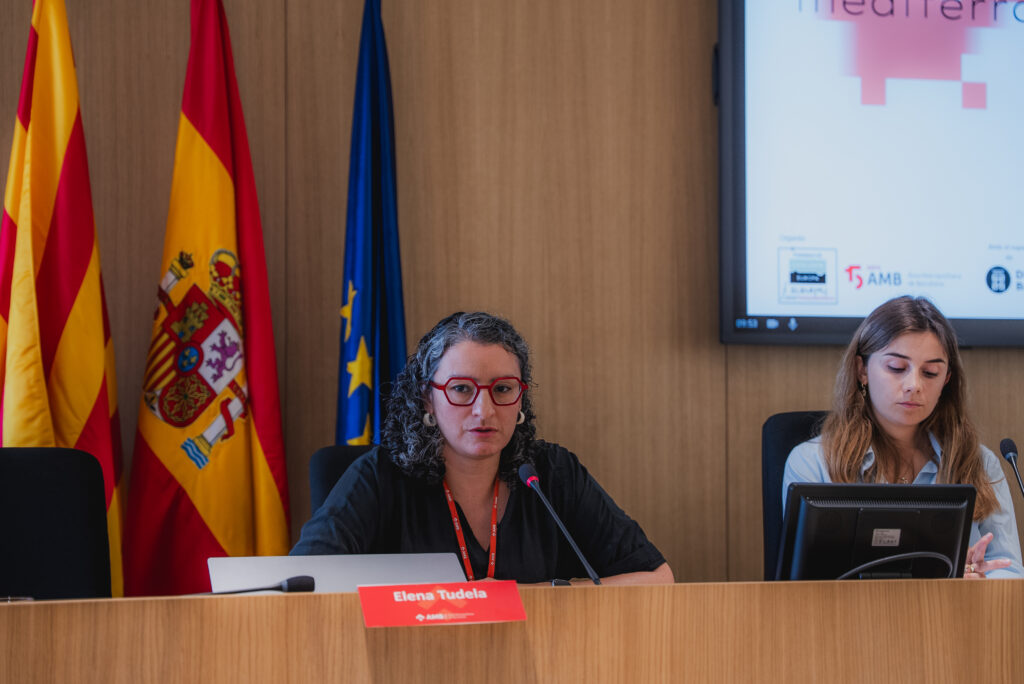
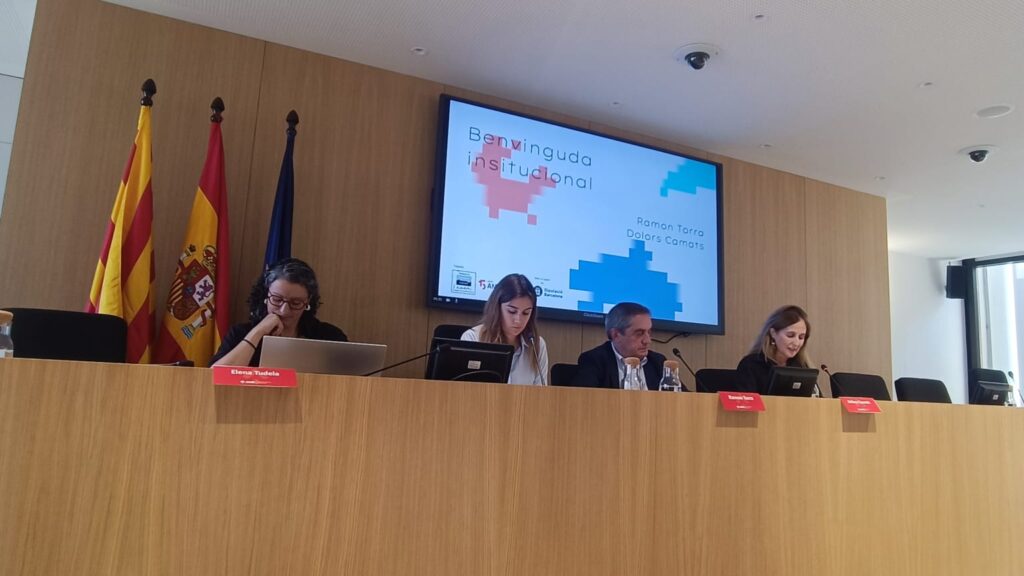
Providing an overall perspective, she explained:
«The Mediterranean is a unique space, exceptionally rich in biodiversity and home to a large population. Many different landscapes coexist around a single sea. This richness is an extraordinary asset, but it also requires a strong commitment to preservation. People need to identify with the reality of this region and understand their local environment in order to protect it. The Mediterranean—and particularly Catalonia and Spain—has become an example of climate shelters, public space transformation and urban development that integrates nature into cities.»
The conference concluded with remarks from Dolors Camats, Director of the Catalunya Europa Foundation, who stressed the importance of understanding the Mediterranean as the Mare Nostrum it has always been, while also recognising the need to rethink current actions whenever necessary to ensure a sustainable future.
«Climate change does not affect everyone equally. Cities are on the frontline of both its impacts and the search for solutions. Above all, what is needed is the political will to face this challenge.»
Watch the video of the session:
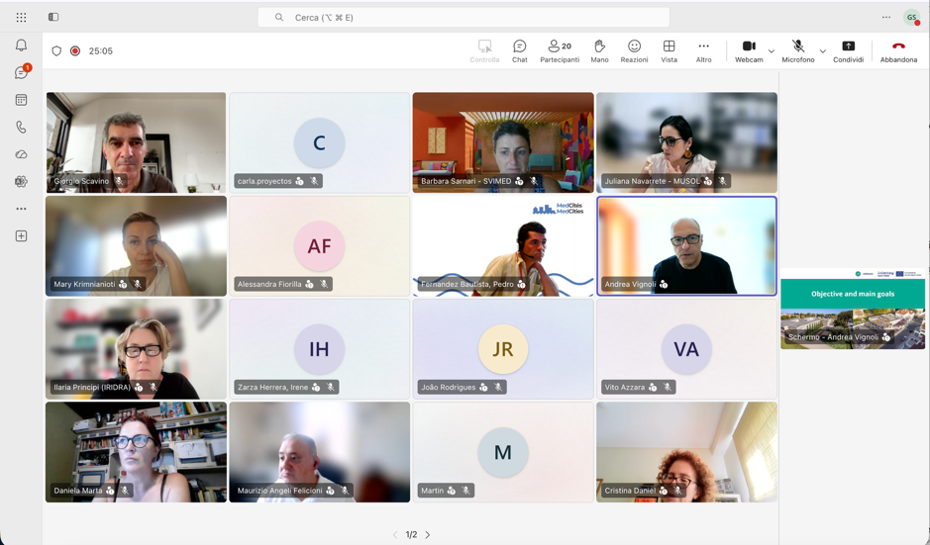
The URWAN project has officially launched its Transfer Phase, marking the start of a new stage aimed at sharing the project's Nature-based Solutions (NbS) with additional Mediterranean municipalities.
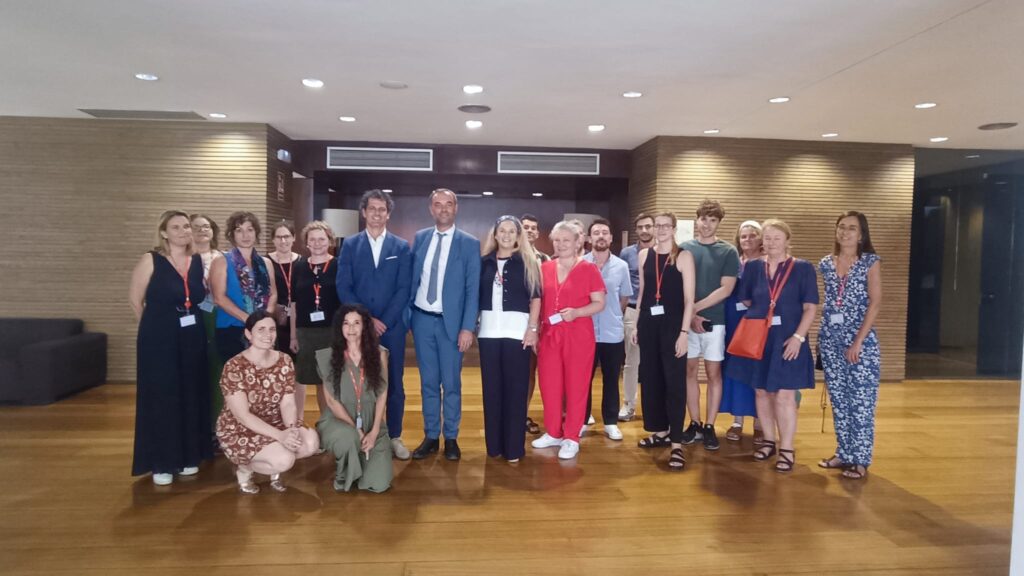
We welcomed a large delegation from our member city and Presidency, Montpellier, led by its mayor, Mr. Michael Delafosse...
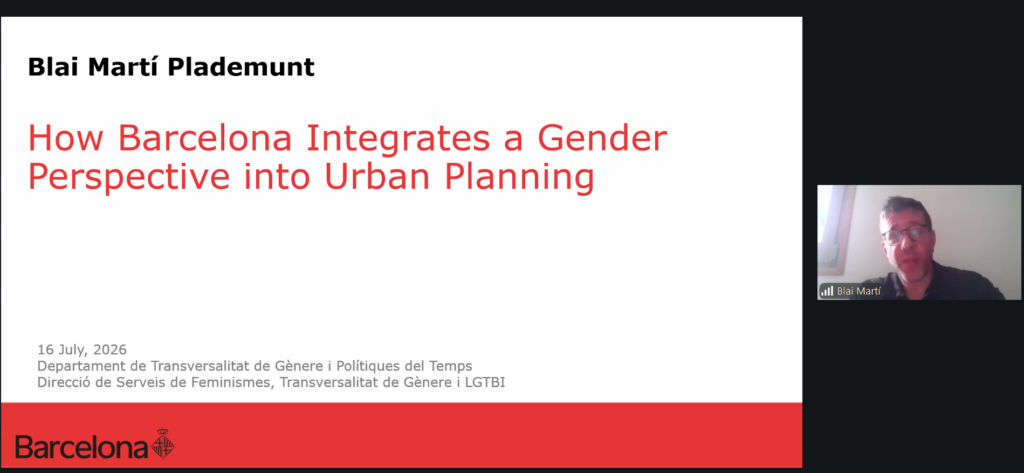
In the framework of MELUP project, Barcelona and the Barcelona Metropolitan Area share practical expertise with Al-Hoceima and Tripoli to advance more inclusive urban policies...
Suscríbete a nuestro boletín mensual para recibir todas las noticias.

Nam porttitor blandit accumsan. Ut vel dictum sem, a pretium dui. In malesuada enim in dolor euismod
Nam porttitor blandit accumsan. Ut vel dictum sem, a pretium dui. In malesuada enim in dolor euismod

Nam porttitor blandit accumsan. Ut vel dictum sem, a pretium dui. In malesuada enim in dolor euismod

Nam porttitor blandit accumsan. Ut vel dictum sem, a pretium dui. In malesuada enim in dolor euismod
Nam porttitor blandit accumsan. Ut vel dictum sem, a pretium dui. In malesuada enim in dolor euismod

Nam porttitor blandit accumsan. Ut vel dictum sem, a pretium dui. In malesuada enim in dolor euismod