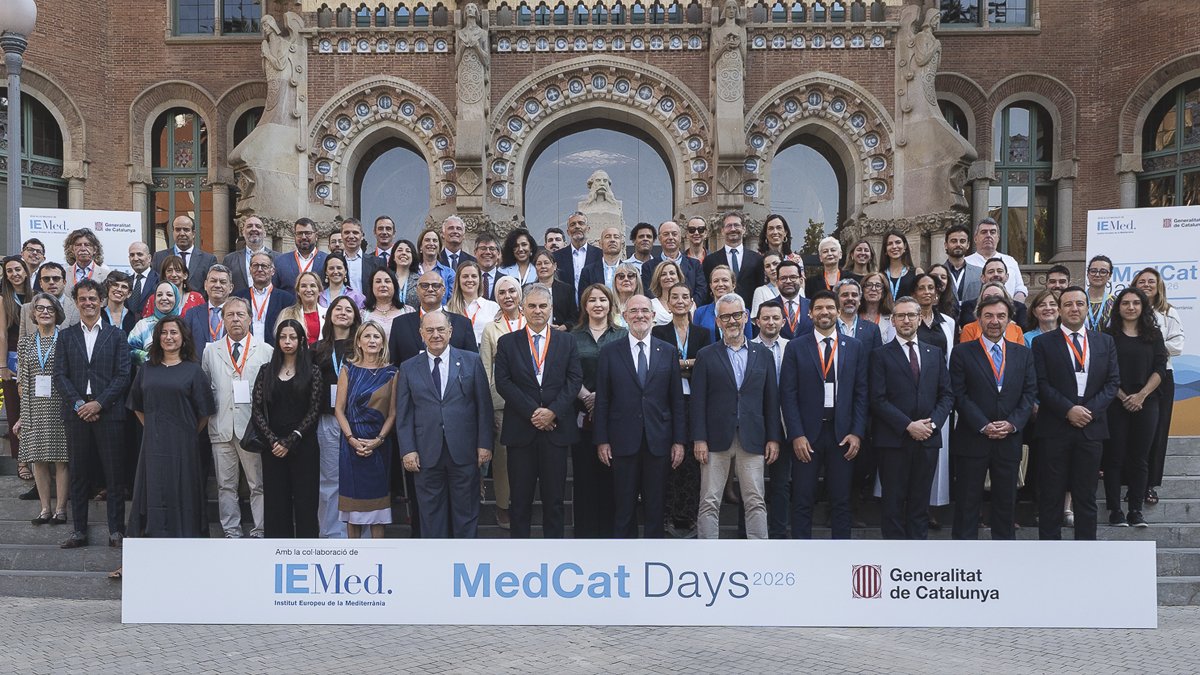
As the European Union moves from the adoption of the Pact for the Mediterranean towards the implementation of its first Action Plan, the seventh edition of the MedCat Days, held in Barcelona on 9 and 10 July, brought together institutions, regional and local authorities, networks and experts to discuss how cooperation across the Mediterranean can become more effective, coordinated and action-oriented.
Organised by the Government of Catalonia and the European Institute of the Mediterranean (IEMed), this year’s edition focused on strengthening governance mechanisms capable of transforming political commitments into concrete action in the context of the Pct for the Mediterranean, a flagship European Union initiative launched in November 2025 to deepen Euro-Mediterranean relations. Against a backdrop of growing geopolitical tensions, climate change, migration pressures and increasing inequalities, discussions centered on how the Pact for the Mediterranean can deliver meaningful results through partnerships, multilevel governance and territorial cooperation.
Representing MedCities, Secretary General Aleix Villatoro participated in the policy exchange session « Enhancing Territorial Diplomacy in Europe’s External Action », alongside representatives from regional governments and European cooperation networks. The debate explored how territorial diplomacy can reinforce the European Union’s neighbourhood and cooperation policies by placing regional and local authorities at the heart of external action.
During his intervention, Villatoro underlined that Mediterranean cooperation can only be effective if major European and regional strategies are translated into concrete action on the ground.
« MedCities exists to build bridges between major political strategies and their practical implementation in cities and metropolitan areas. Local governments are where Mediterranean cooperation becomes tangible for citizens. »
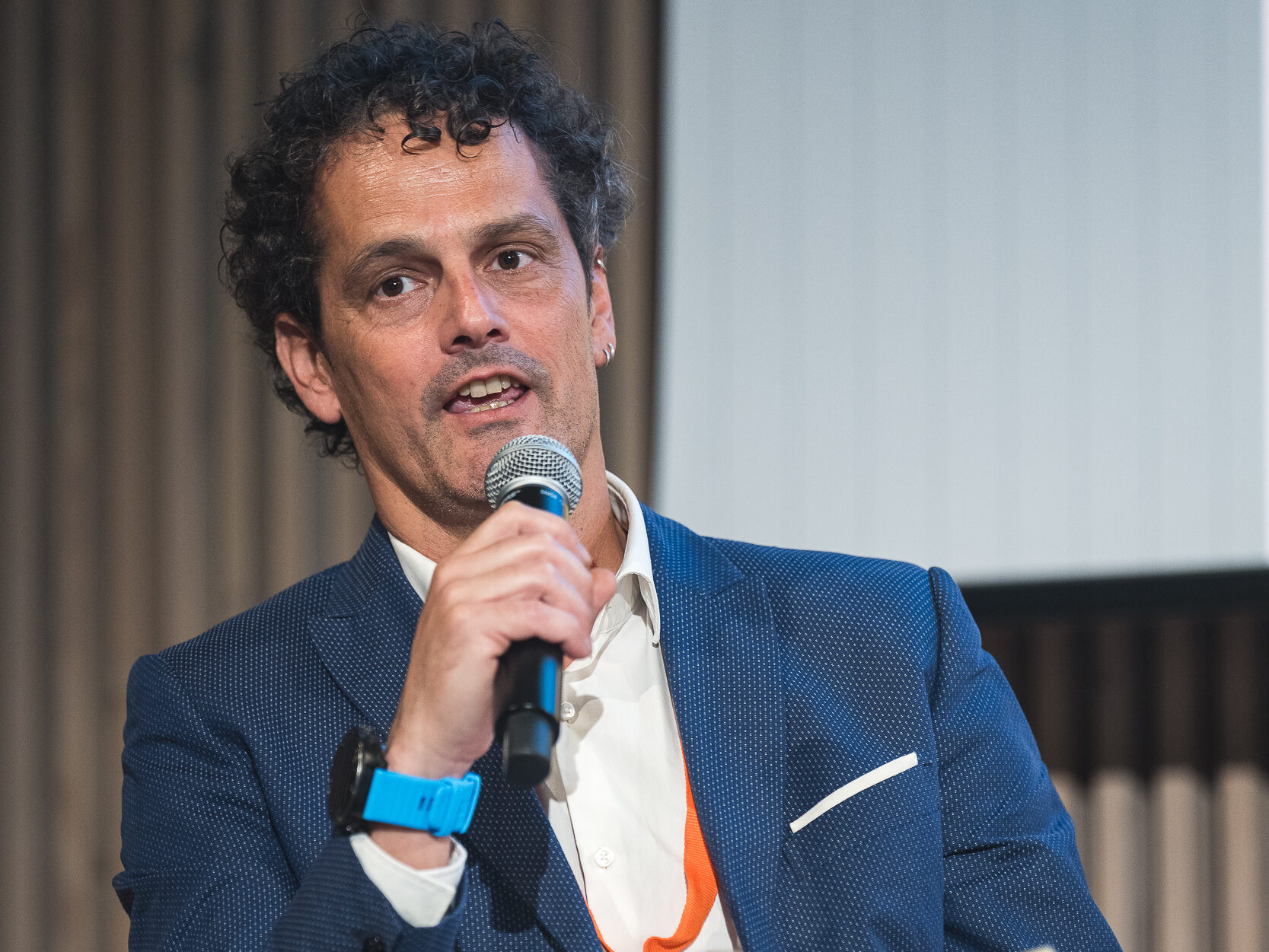
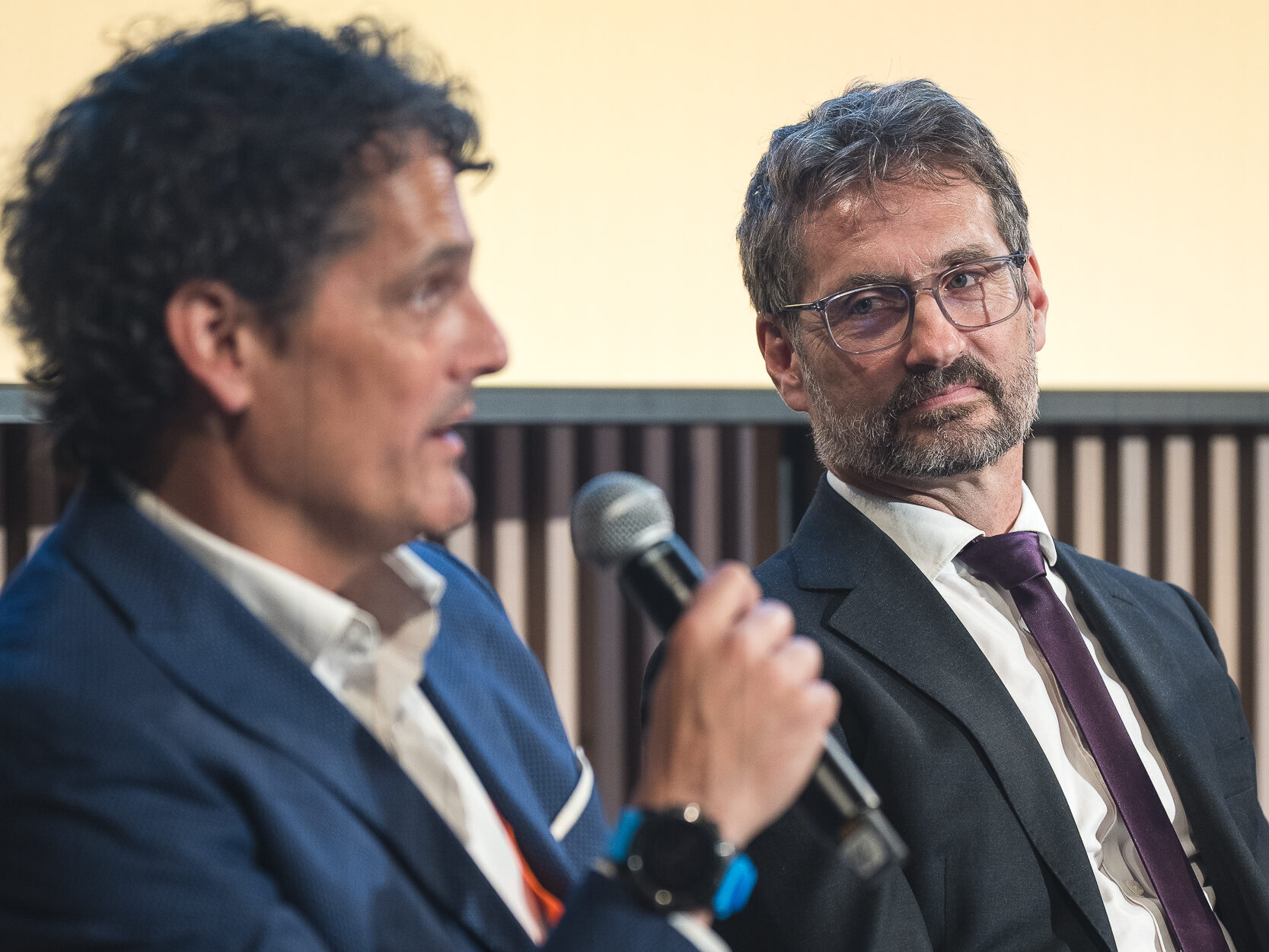
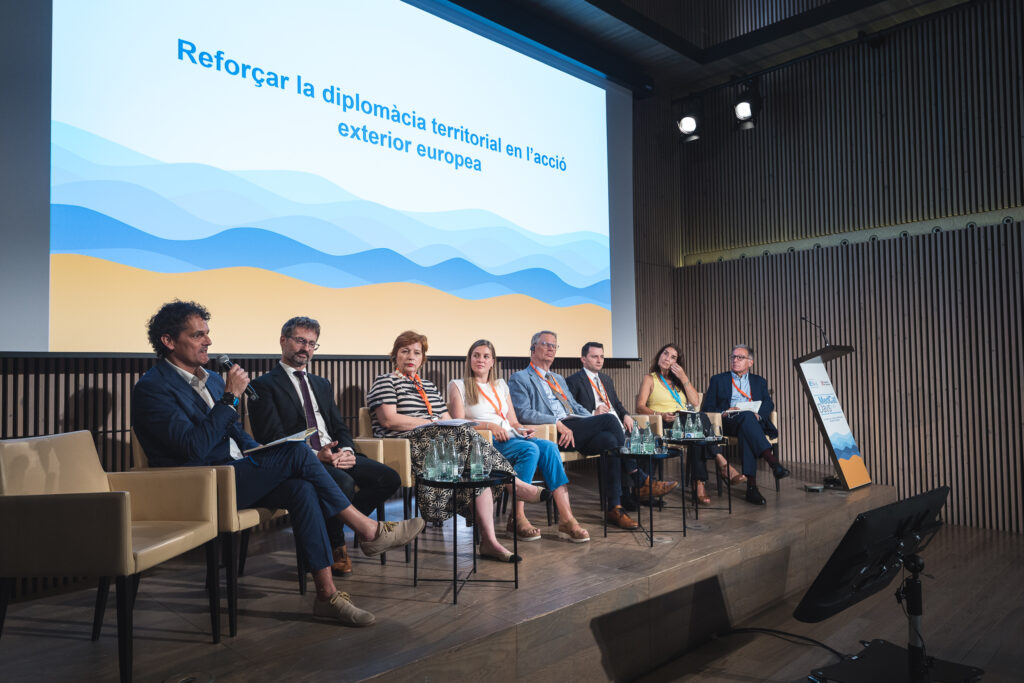
He stressed that local and metropolitan authorities constitute the first institutional level capable of responding directly to citizens’ needs and should therefore play a central role in implementing the new Pact for the Mediterranean. Strengthening their capacity, fostering cooperation between territories and ensuring that cities contribute to shaping regional policies are essential to achieving lasting impact across the region.
Villatoro also highlighted that, in today’s increasingly complex Mediterranean context, maintaining open spaces for dialogue is more important than ever. For MedCities, this dialogue is built through continuous knowledge exchange between local governments, enabling cities to learn from one another, adapt successful practices and jointly address shared urban challenges.
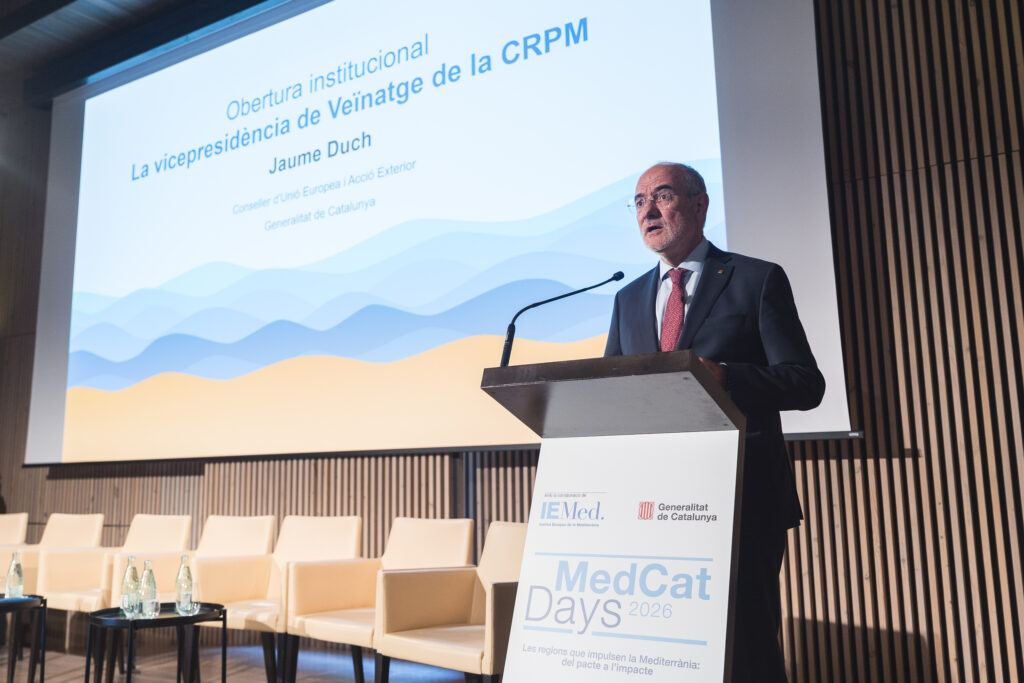
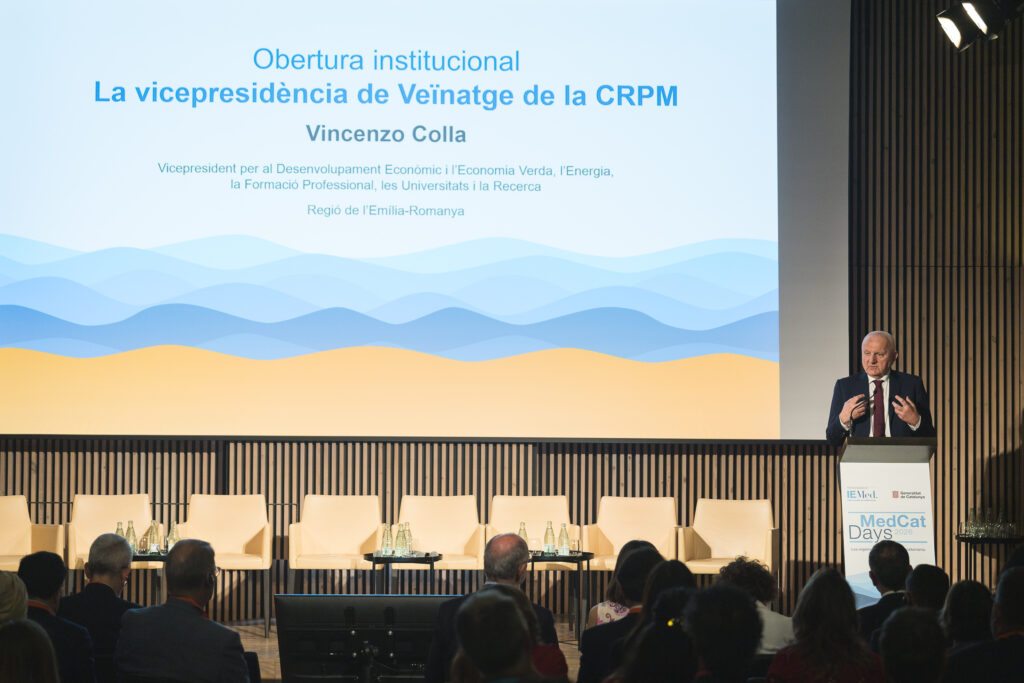
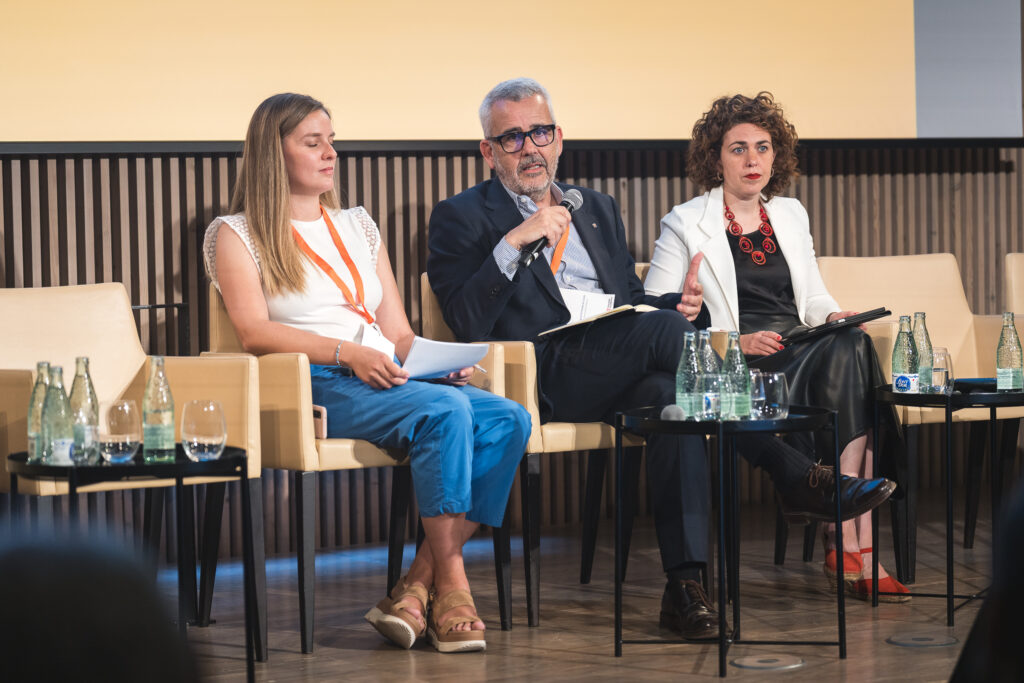
This collaborative approach, he explained, delivers tangible benefits by improving the implementation of public policies, promoting human rights at the local level and strengthening the quality of public services provided to citizens.
Reflecting on the broader political framework, Villatoro recalled that while 2025 marked the 30th anniversary of the Barcelona Process, its founding principles remain highly relevant today. The vision established three decades ago continues to provide an essential roadmap for Euro-Mediterranean cooperation, particularly by recognising cities and metropolitan areas as indispensable partners in building a more resilient, inclusive and sustainable Mediterranean.
On the second day, the session emphasised the role of regions in defining priorities and building the political momentum needed for its evolution. In a roundtable format, MedCities Presidency, represented by Clare Hart from Montpellier, highlighted interesting connections among political priorities with ongoing institutional processes, cooperation networks and territorial actors.
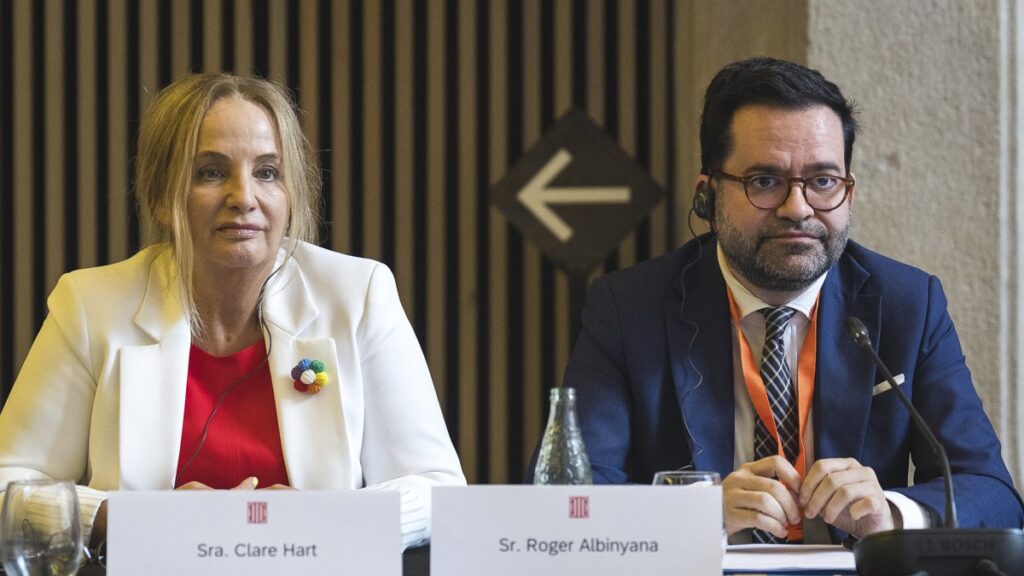
« I think we need to act with the understanding that federating ideas is essential to accelerating processes”.
Clare Hart, MedCities Presidency, about the work carried on by the association and the way all Mediterranean cities and countries must collaborate to do capacity-building activities and share best practices:
Hart also stressed that, although the Mediterranean is a particularly vulnerable region, there are cities and networks already working on the ground in a truly grassroots and hands-on way. The challenges are not happening somewhere far away—they are unfolding right next to us.
« If the Pact for the Mediterranean is to deliver real impact, it must rely on city networks and metropolitan areas to develop solutions. They need to move from the margins of government to the centre of governance. They must be at the heart of decision-making processes, and their role must be fully recognised. »
Clare Hart, MedCities Presidency, about the importance of placing cities’ networks and local authorities at the center of governance.
MedCities Secretary General, Aleix Vilaltoro, the Presidency Mrs.Clare Hart and the head of Policy, Mrs. Carolina Pérez could meet the new and ad interim Secretary General of the Union for the Mediterranean, Mr. Fadi Hajali and together with Mr. Joan Borrell, Deputy Secretary-General for Stability and Resilience, Union for the Mediterranean they exchanged and talked about future common actions and projects.
MedCities welcomed the emphasis placed during MedCat Days on multilevel governance and territorial partnerships, reaffirming its commitment to ensuring that local authorities actively contribute to the implementation of the Pact for the Mediterranean.
As discussions now move from policy design towards implementation, MedCities will continue working with its members and institutional partners to ensure that cities remain at the centre of the Mediterranean agenda, helping transform dialogue into action and cooperation into measurable impact.
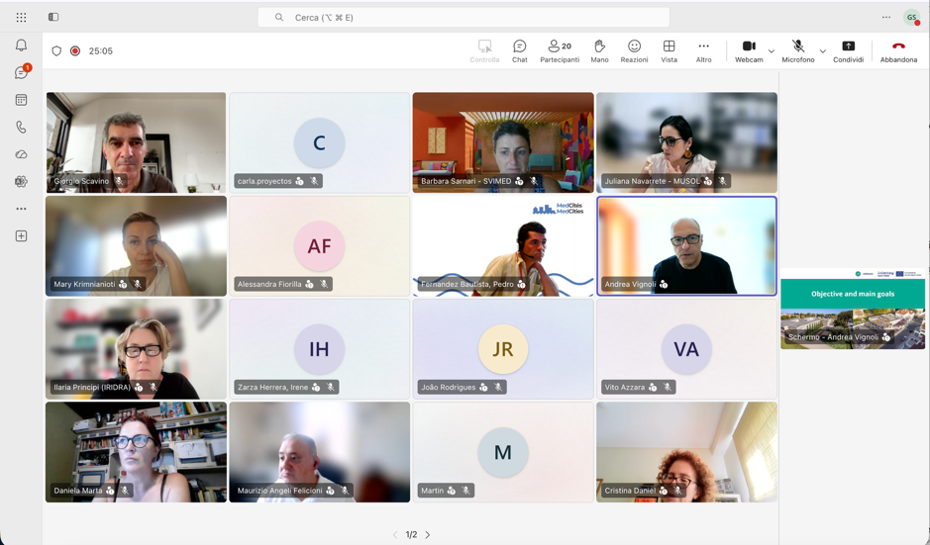
The URWAN project has officially launched its Transfer Phase, marking the start of a new stage aimed at sharing the project's Nature-based Solutions (NbS) with additional Mediterranean municipalities.
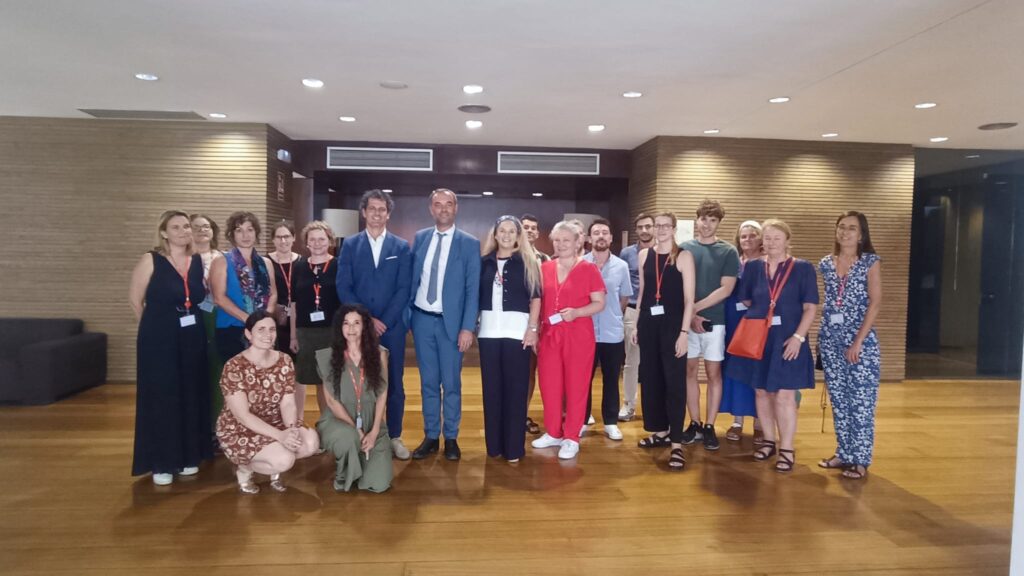
We welcomed a large delegation from our member city and Presidency, Montpellier, led by its mayor, Mr. Michael Delafosse...
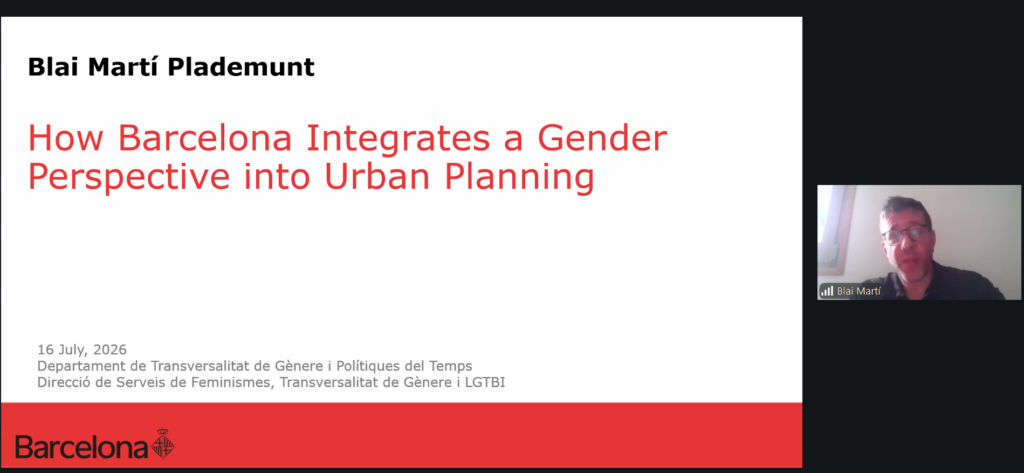
In the framework of MELUP project, Barcelona and the Barcelona Metropolitan Area share practical expertise with Al-Hoceima and Tripoli to advance more inclusive urban policies...
Abonnez vous au bulletin mensuel pour recevoir toutes nos nouvelles.

Nam porttitor blandit accumsan. Ut vel dictum sem, a pretium dui. In malesuada enim in dolor euismod
Nam porttitor blandit accumsan. Ut vel dictum sem, a pretium dui. In malesuada enim in dolor euismod

Nam porttitor blandit accumsan. Ut vel dictum sem, a pretium dui. In malesuada enim in dolor euismod

Nam porttitor blandit accumsan. Ut vel dictum sem, a pretium dui. In malesuada enim in dolor euismod
Nam porttitor blandit accumsan. Ut vel dictum sem, a pretium dui. In malesuada enim in dolor euismod

Nam porttitor blandit accumsan. Ut vel dictum sem, a pretium dui. In malesuada enim in dolor euismod