The MELUP – Mediterranean Everyday Life Urban Planning project has taken an important step forward in Lebanon, with a recent mission to Tripoli to define the pilot areas where gender-responsive urban planning interventions will be implemented.
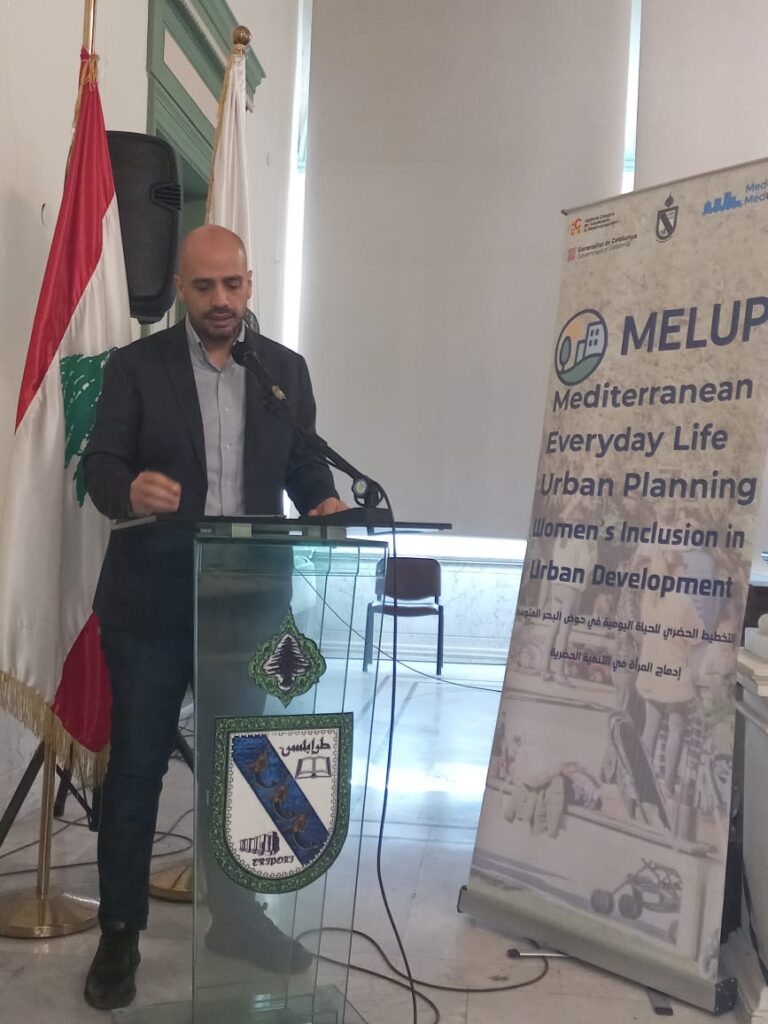
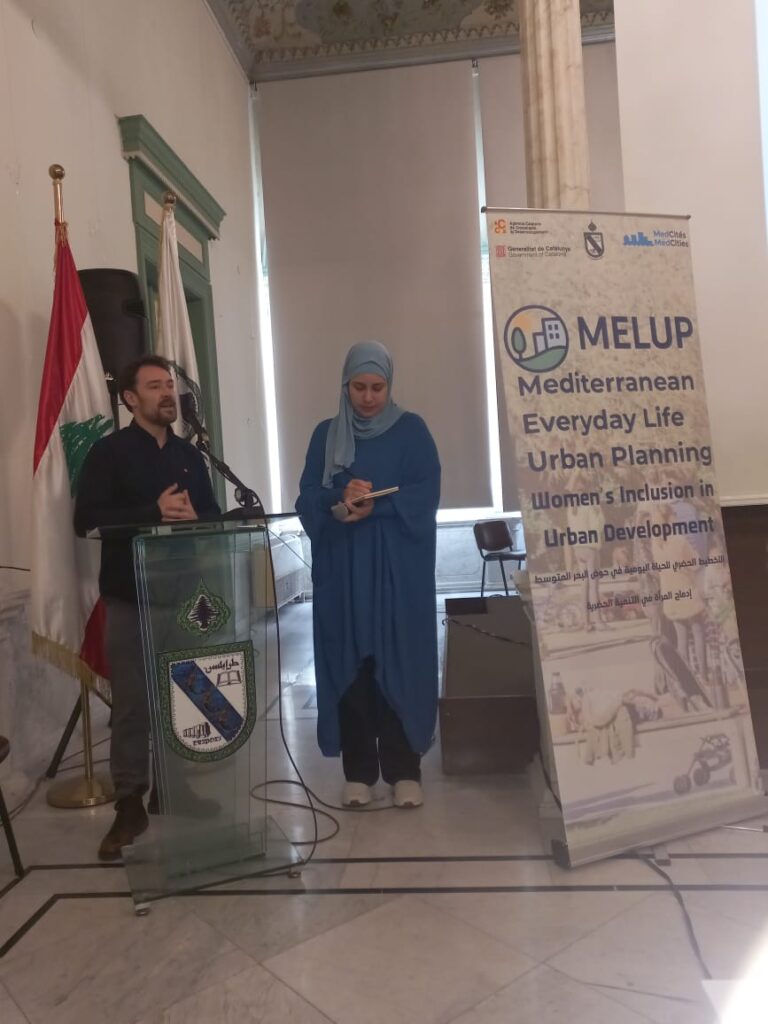
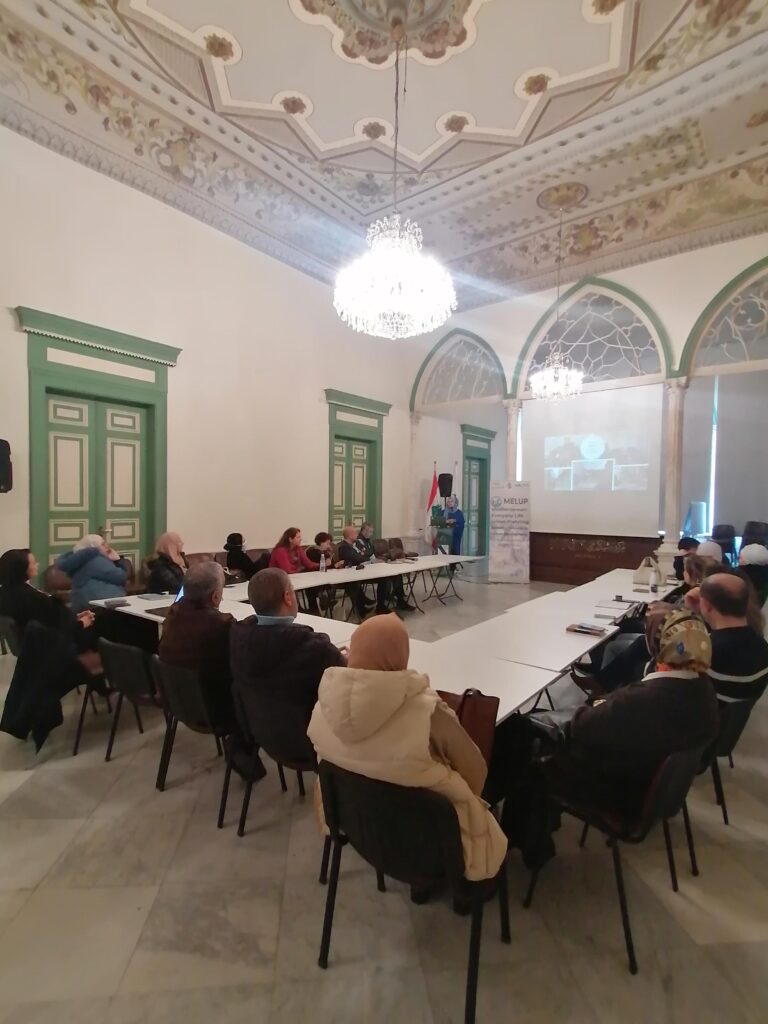
During meetings with local stakeholders, women’s associations and representatives of the Municipality, partners discussed the Gender-Responsive Action Plan developed through a participatory process with women from the Dahr el Moghr neighbourhood. The plan identifies 44 interventions across six priority thematic areas, reflecting the needs and aspirations expressed by local women throughout the consultation process.
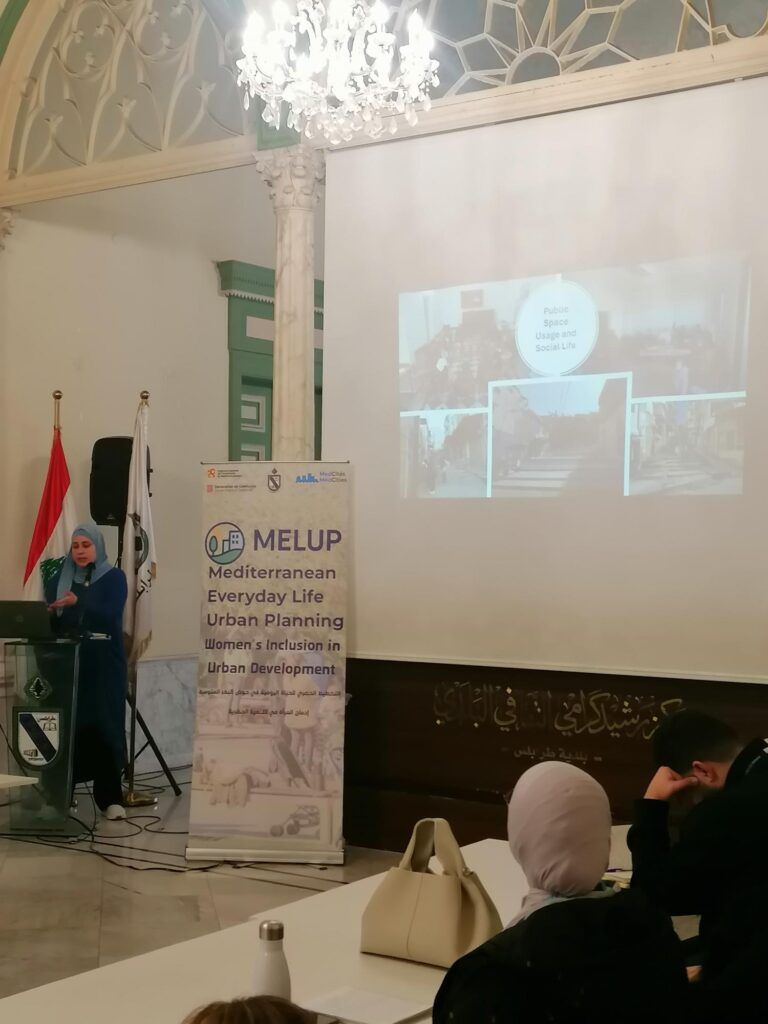
Six Priority Challenges Identified
The participatory assessment highlighted the following key priorities:
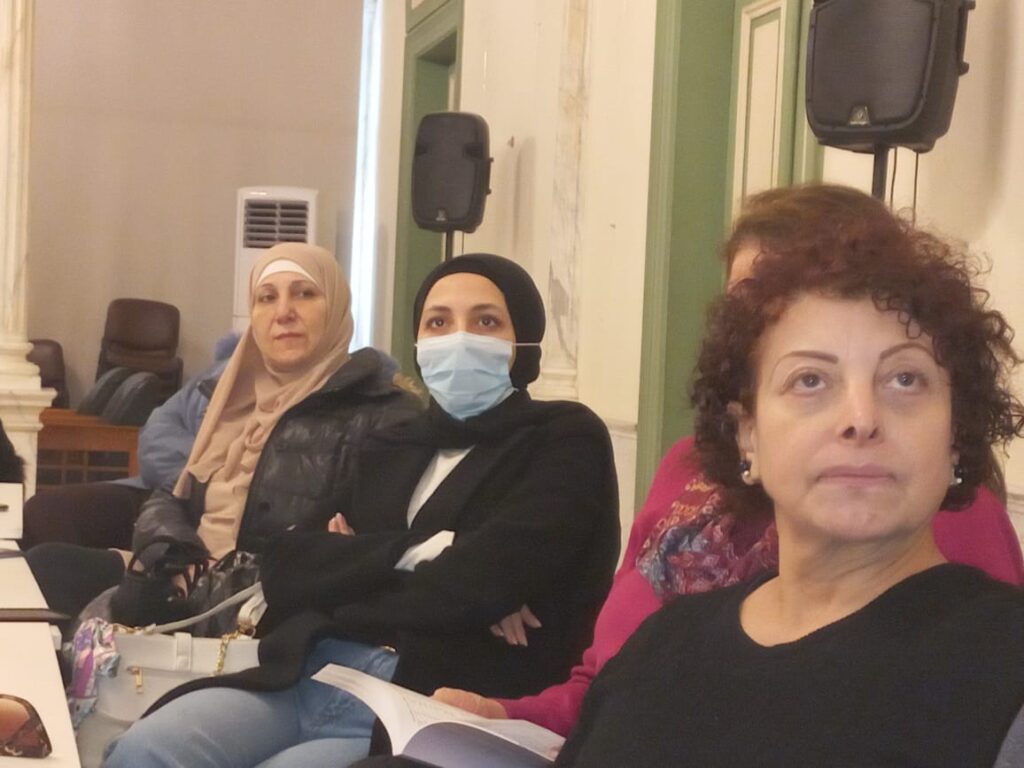
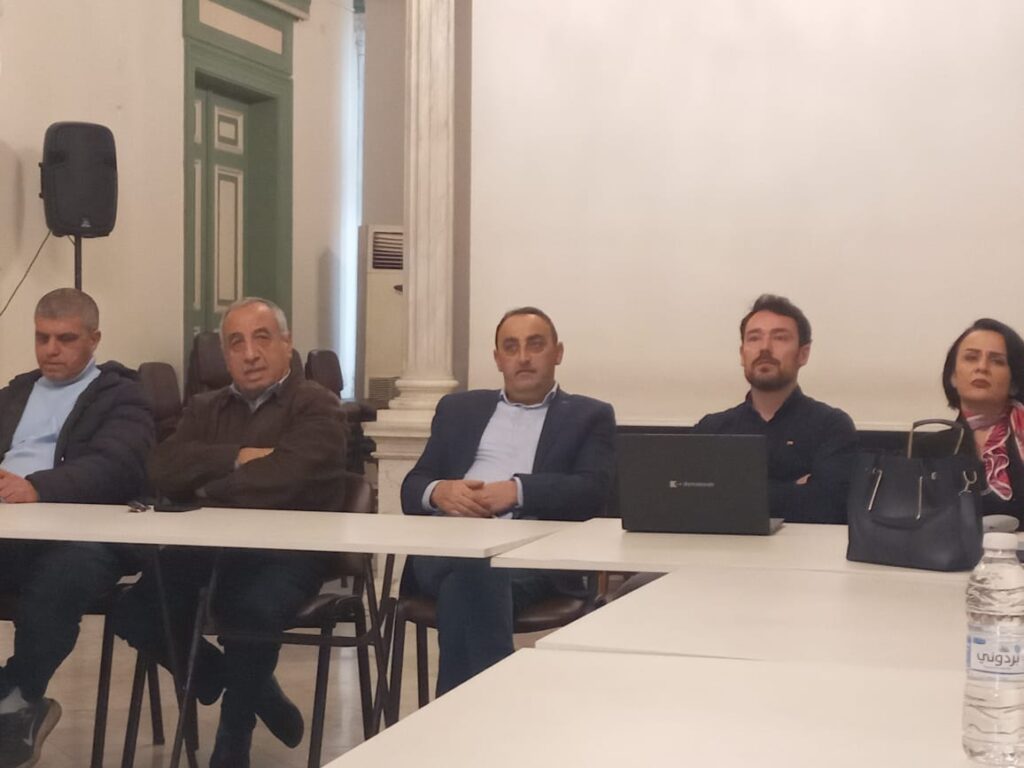
A Pilot Intervention in Dahr el Moghr
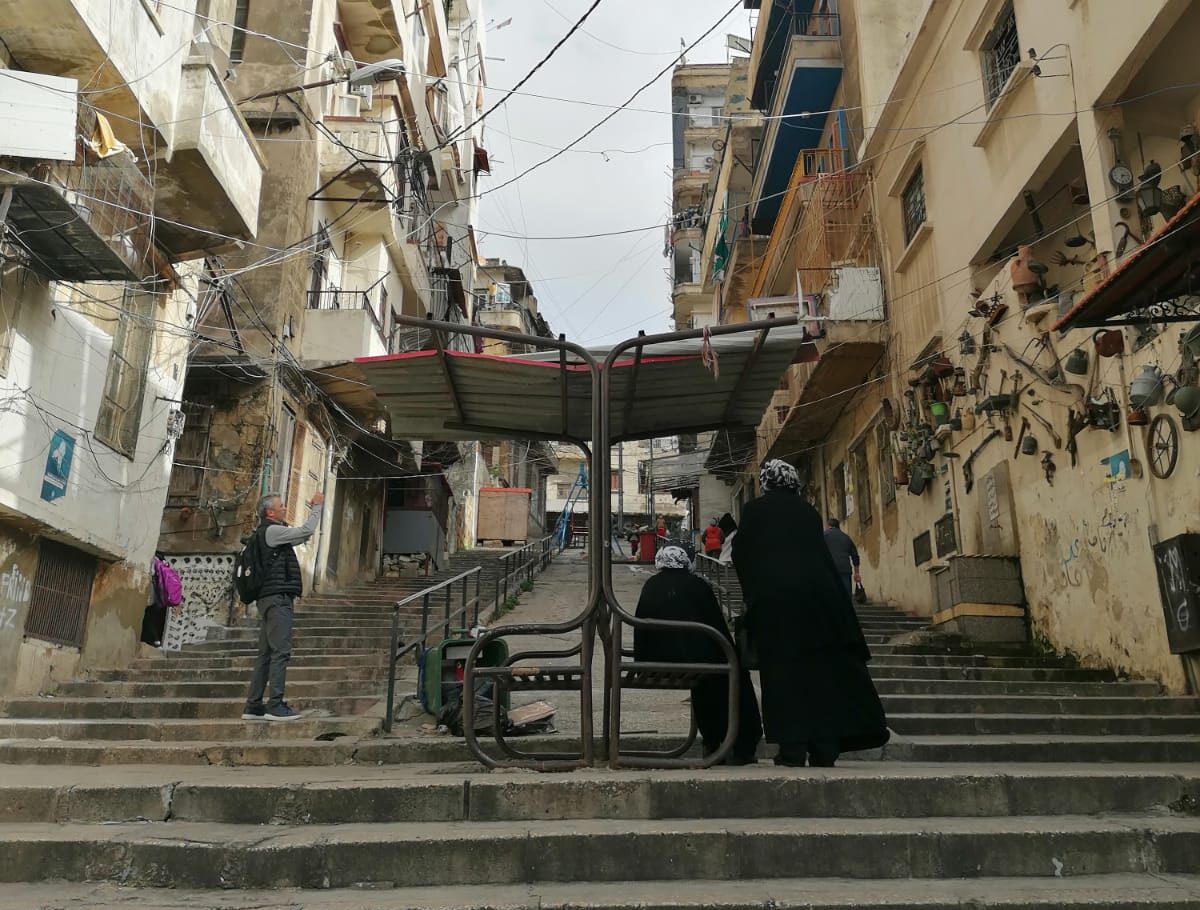
It was agreed that the pilot action will focus on the incremental upgrading of one of the neighbourhood’s key stairways in Dahr el Moghr.
In an area with no parks or public squares, these stairs are more than mobility infrastructure — they are vital social spaces where neighbours meet, and children play. Improving them represents a meaningful step toward a more inclusive and women-centred public space.
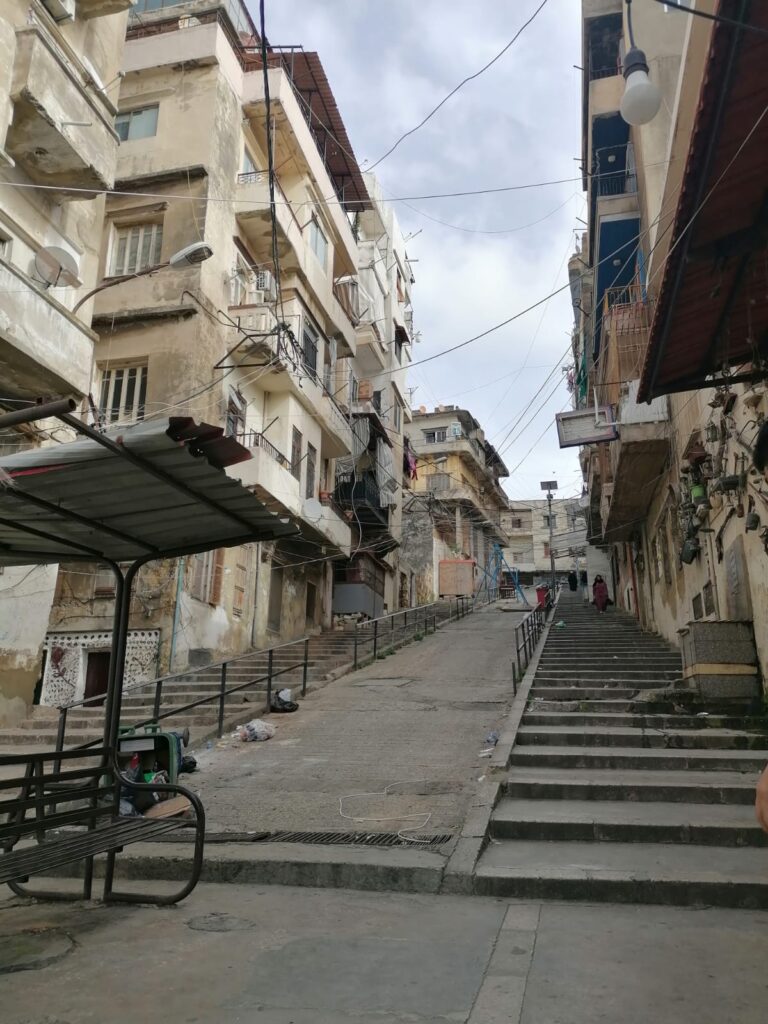

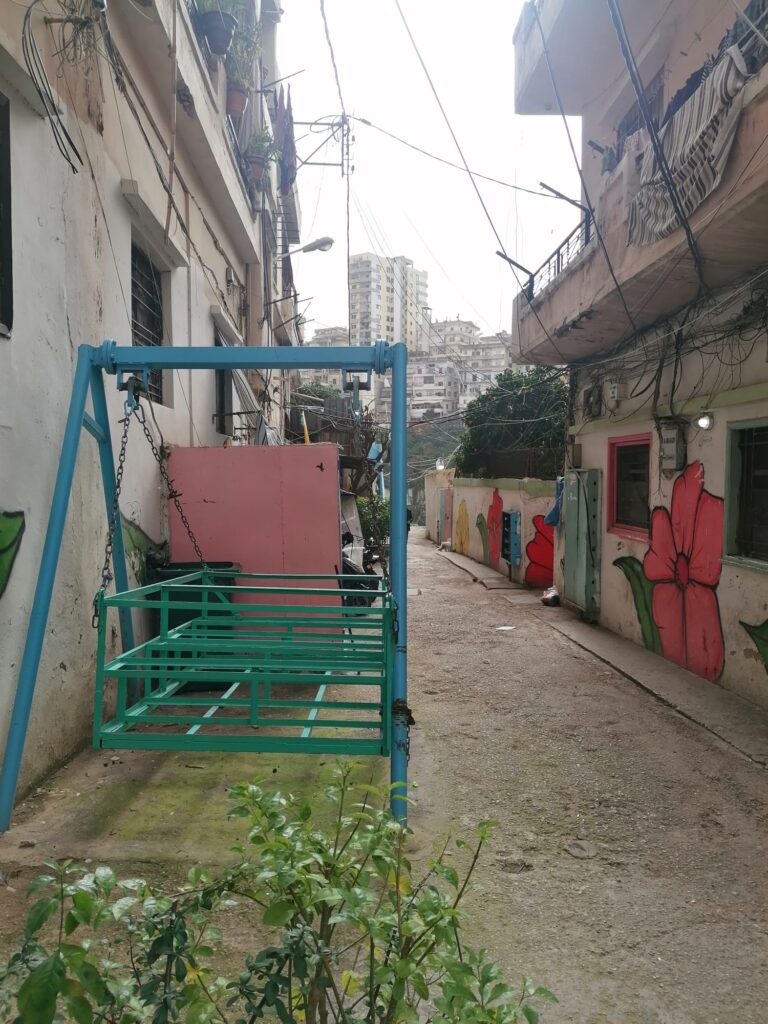
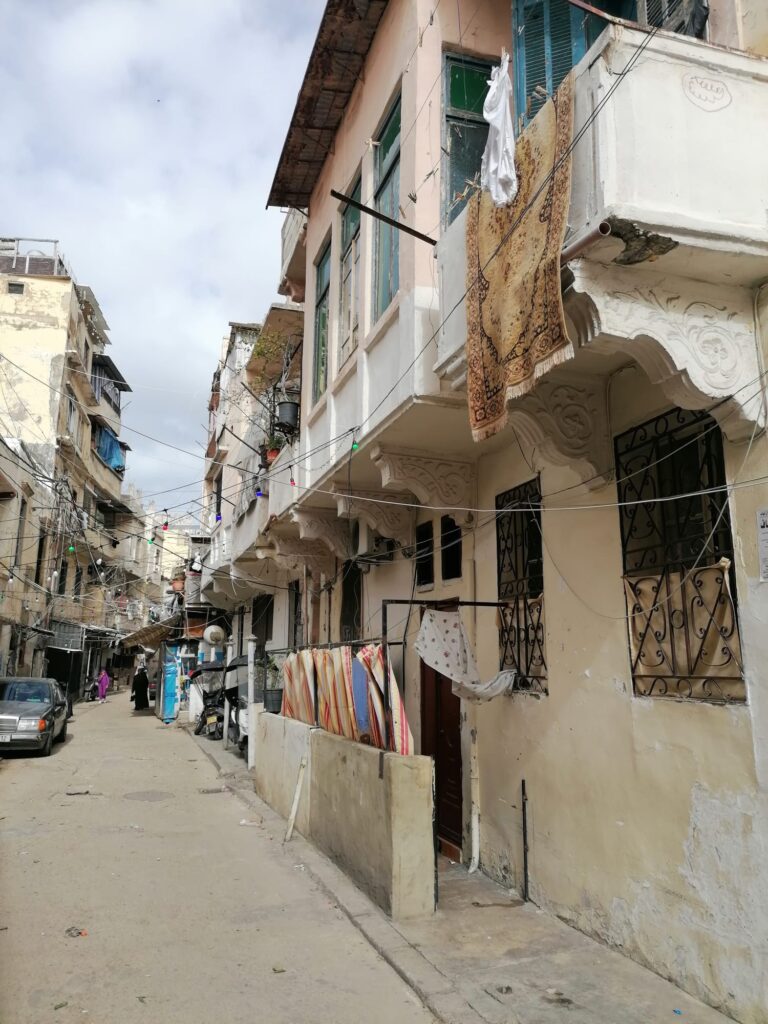
The pilot intervention, which will be co-designed with neighbouring women, may include:
By enhancing lighting, handrails, repairs and rest areas, the project aims to ensure safe and comfortable access to essential services and social spaces within walking distance.
Political meetings
From MedCities, Mr. Noé Viedma, accompanied by Knowledge Transfer Center representative, Mr. Roger Bafitos, met with the Mayor of Anfeh and members of the Municipal Council to explore the town’s potential in key areas, including environment, waste management, transportation, and tourism.
The Municipality of Anfeh expressed a strong interest in engaging with MedCities and confirmed its full willingness to cooperate in upcoming activities. MedCities representatives welcomed this commitment and reaffirmed their readiness to provide technical support and expertise in line with the network’s priorities and work programme.
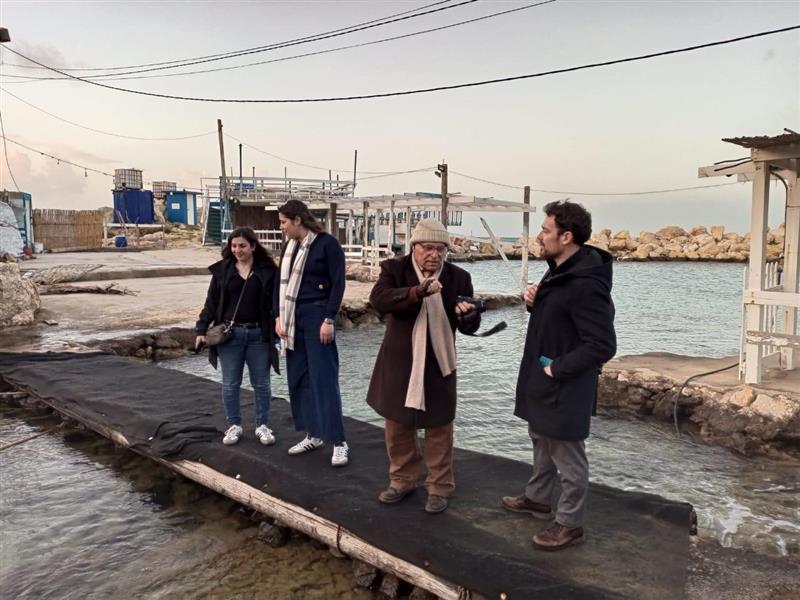
In Beirut, MedCities representatives held a constructive meeting with the Mayor, Mr Ibrahim Zeidan, and Mr Iskandar Bridi, a Member of the Beirut Municipal Council and Head of Public Relations and Foreign Affairs, to discuss the possibility of Beirut joining MedCities. The organisation’s mission, objectives, working groups, and membership process were presented in detail.
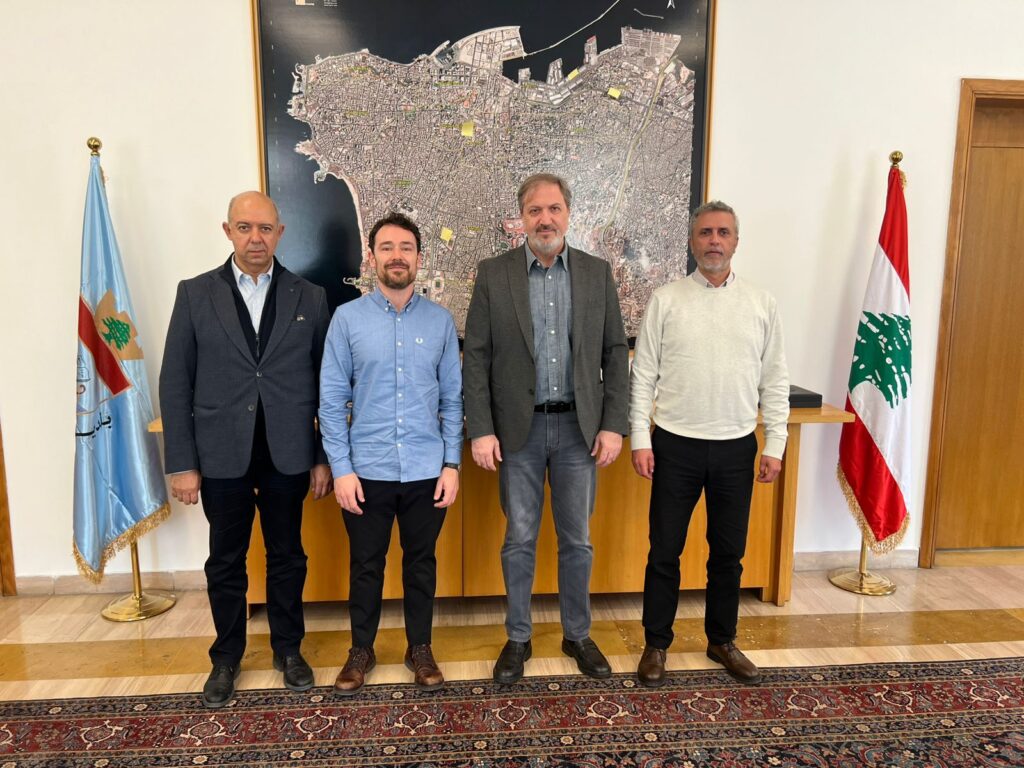
Following the discussion, the Mayor instructed the External Relations Committee to initiate the necessary administrative steps toward membership.
The visit concluded with a meeting with the Governor of Beirut, Mr. Marwan Abboud, who emphasized the strategic importance of joining MedCities and expressed his full support for advancing this collaboration.
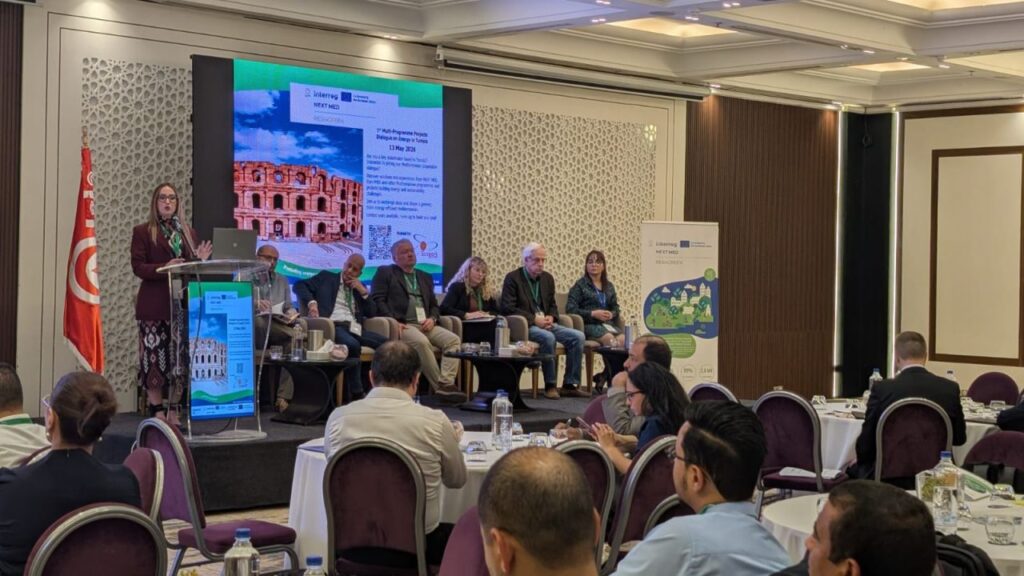
MedCities was pleased to participate in the 1st Multi-Programme Projects Dialogue on Energy in Tunisia as part of EUSEW2026, contributing to an important exchange on energy, sustainability and Mediterranean cooperation...
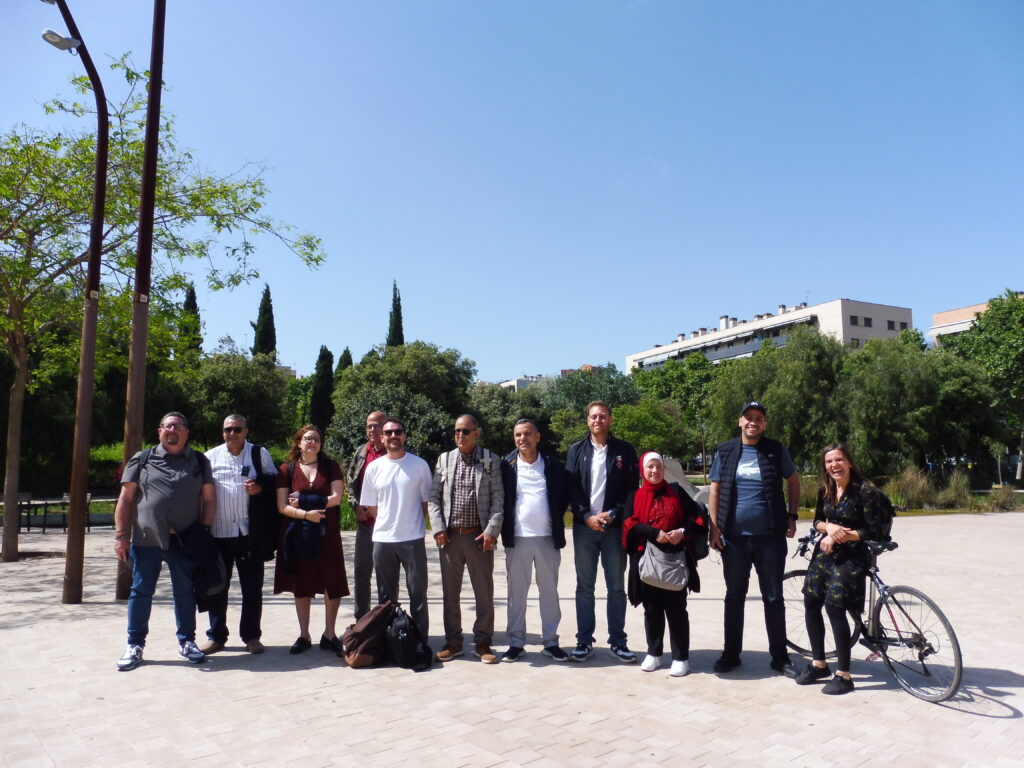
Local authorities from across the Mediterranean gathered in Barcelona for a three-day study visit aimed at strengthening capacities in gender-responsive urban planning and the renaturalisation of public spaces. Organised within the framework of the MELUP and NATURIncMed projects...
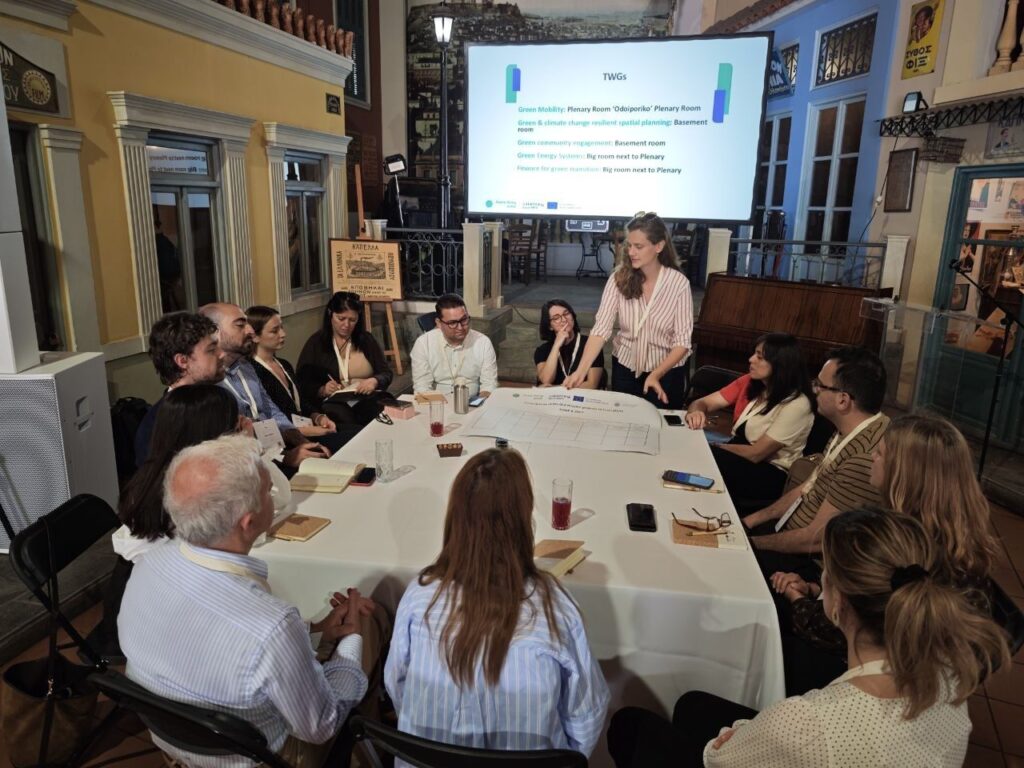
Participants also engaged in thematic working groups aimed at enhancing collaboration among the 25 projects and exploring how to transfer successful solutions to other Mediterranean regions...
Suscríbete a nuestro boletín mensual para recibir todas las noticias.
Nam porttitor blandit accumsan. Ut vel dictum sem, a pretium dui. In malesuada enim in dolor euismod
Nam porttitor blandit accumsan. Ut vel dictum sem, a pretium dui. In malesuada enim in dolor euismod

Nam porttitor blandit accumsan. Ut vel dictum sem, a pretium dui. In malesuada enim in dolor euismod

Nam porttitor blandit accumsan. Ut vel dictum sem, a pretium dui. In malesuada enim in dolor euismod
Nam porttitor blandit accumsan. Ut vel dictum sem, a pretium dui. In malesuada enim in dolor euismod
Nam porttitor blandit accumsan. Ut vel dictum sem, a pretium dui. In malesuada enim in dolor euismod