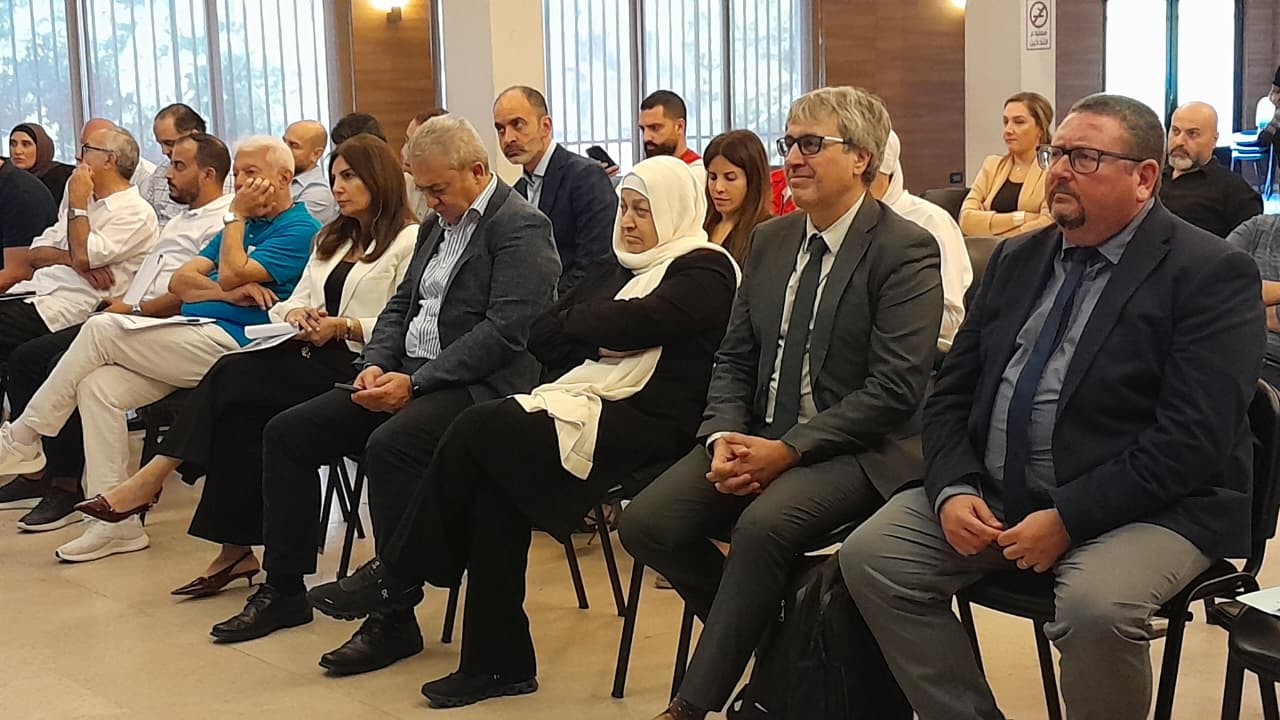
Within the framework of the RESILIENCE project, the Secretary-General of MedCities, Josep Canals-Molina, traveled to Lebanon to meet with several city members, starting with the President of the Union of Municipalities of Saida-Zahrani. The discussion focused on the extent of Saida’s municipalities’ participation in the organization’s activities, highlighting their distinguished work. After the meeting, the President of the Union of Municipalities of Saida-Zahrani accompanied the Secretary-General of MedCities on a tour in the old town, where they visited the old markets, the church, and the cultural and training center. These were some of the places where MedCities worked within the framework of the COHESIMED project (read more here).
When presenting the RESILIENCE project, MedCities Secretary-General delivered a speech emphasizing the importance of cooperation among member municipalities, the exchange of expertise, and the significant opportunity that the project presents for the involved cities. The meeting aimed to raise awareness among policymakers about the need to improve access to information for risk evaluation. Next steps of the project entail consultation workshops leading to the consolidated diagnosis of Saida’s resilience based on indicators and GIS layers. This work counts on the collaboration of UN-Habitat, which facilitates the application of the City Resilience Profiling Tool.
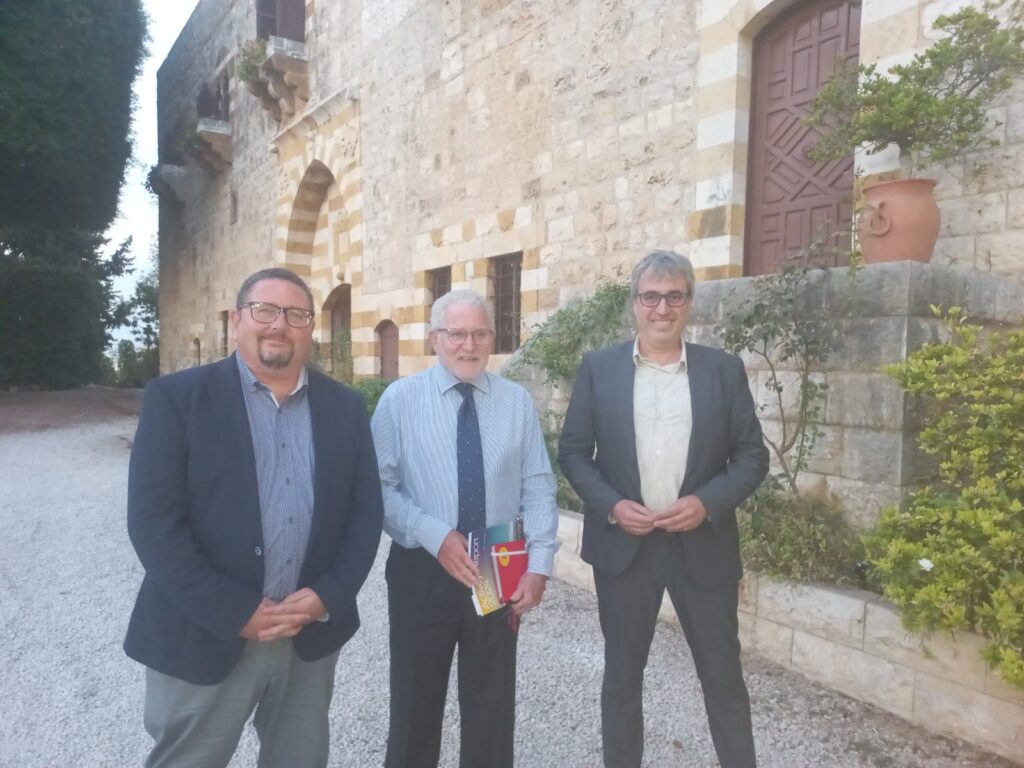
Furthermore, in the afternoon, Mr. Canals-Molina held a meeting with the Ambassador of Spain to Lebanon, His Excellency the Ambassador Jesús I. Santos Aguado. During the meeting, the Secretary-General presented the organization’s general activities, with a particular focus on its work in Lebanon. He listed the Lebanese municipalities that are members of the MedCities and emphasized MedCities’ special interest in Lebanon, noting that the Vice President of MedCities is also the President of the Union of Municipalities of Dannieh, Lebanon.
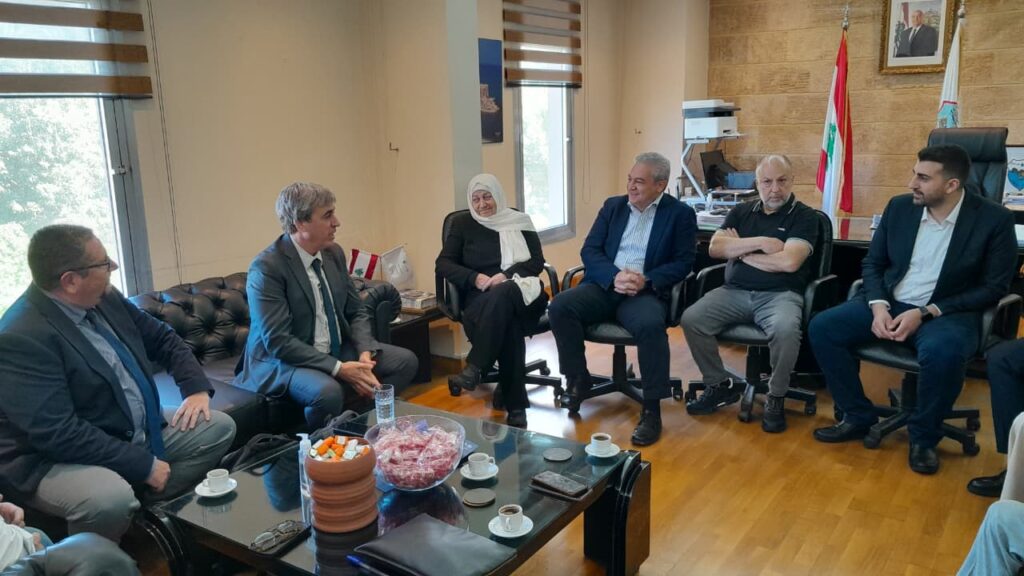
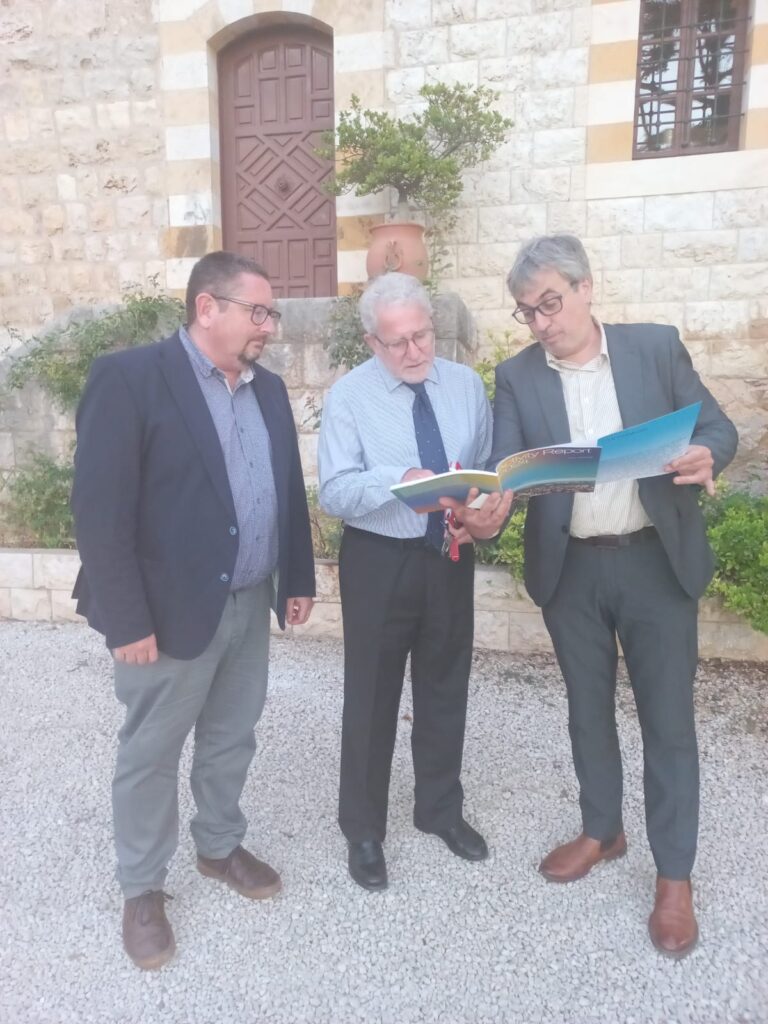
Ways of cooperation between the Medcities organization and the Spanish Agency for International Development Cooperation (AECID) were also discussed.
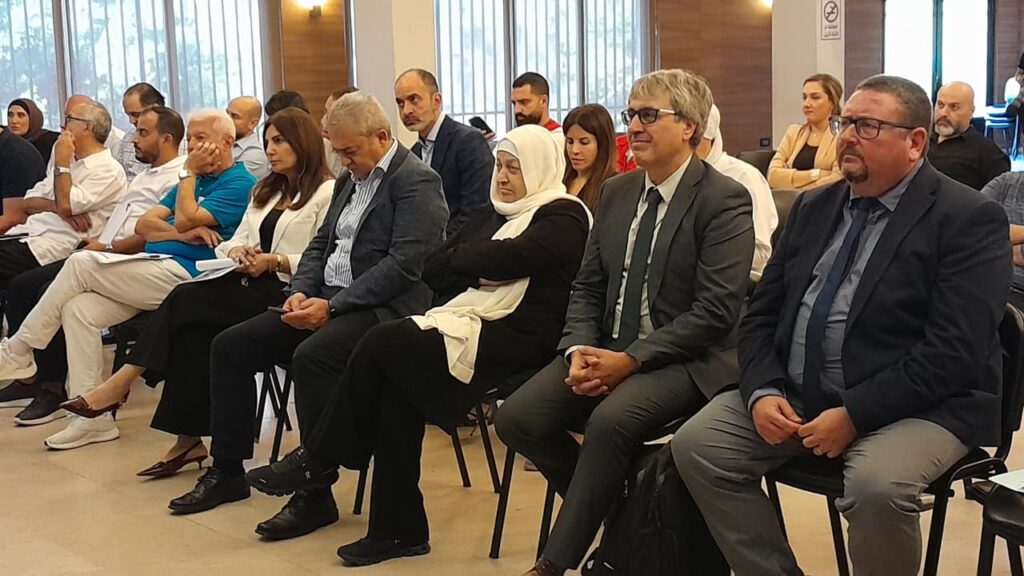
In the framework of MELUP project, the Secretary-General of MedCities, Mr. Canals-Molina, met with the Mayor of Tripoli, to discuss the situation in the city and the challenges it is facing. The Secretary-General, Josep Canals, also provided a detailed overview of the organization’s activities and the four key sectors that Medcities prioritizes. He encouraged the Mayor of Tripoli to intensify efforts toward environmental and sustainable projects. Following the meeting with the Mayor, a public event was held to officially launch the project in partnership with the Municipality of Tripoli.
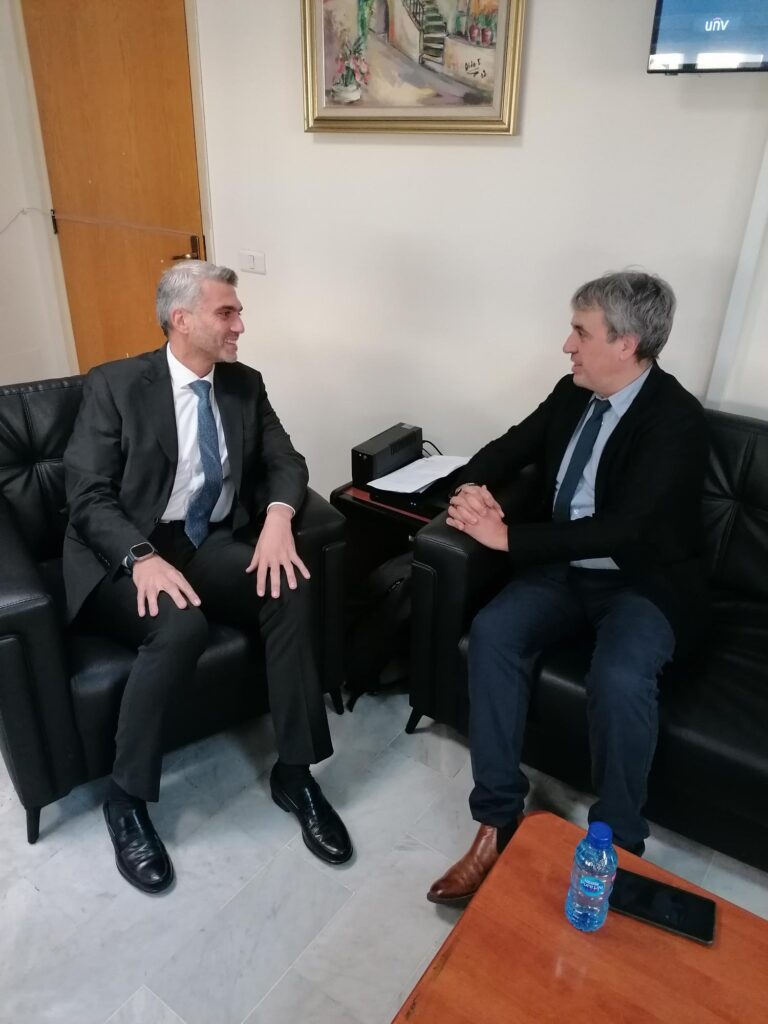
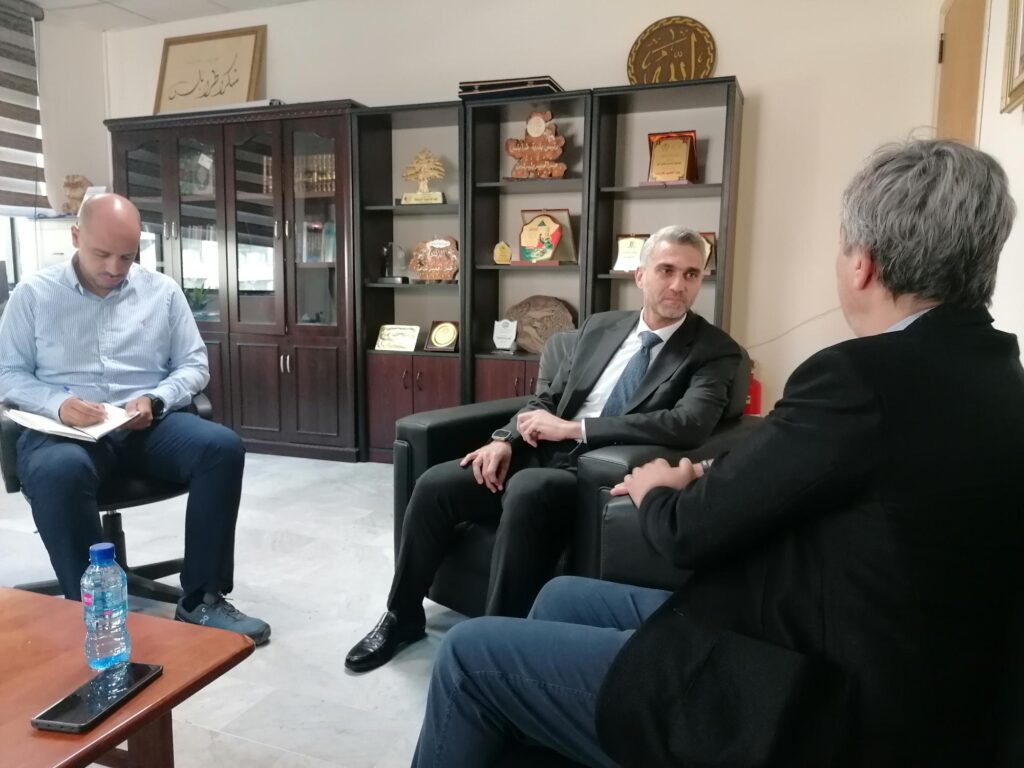
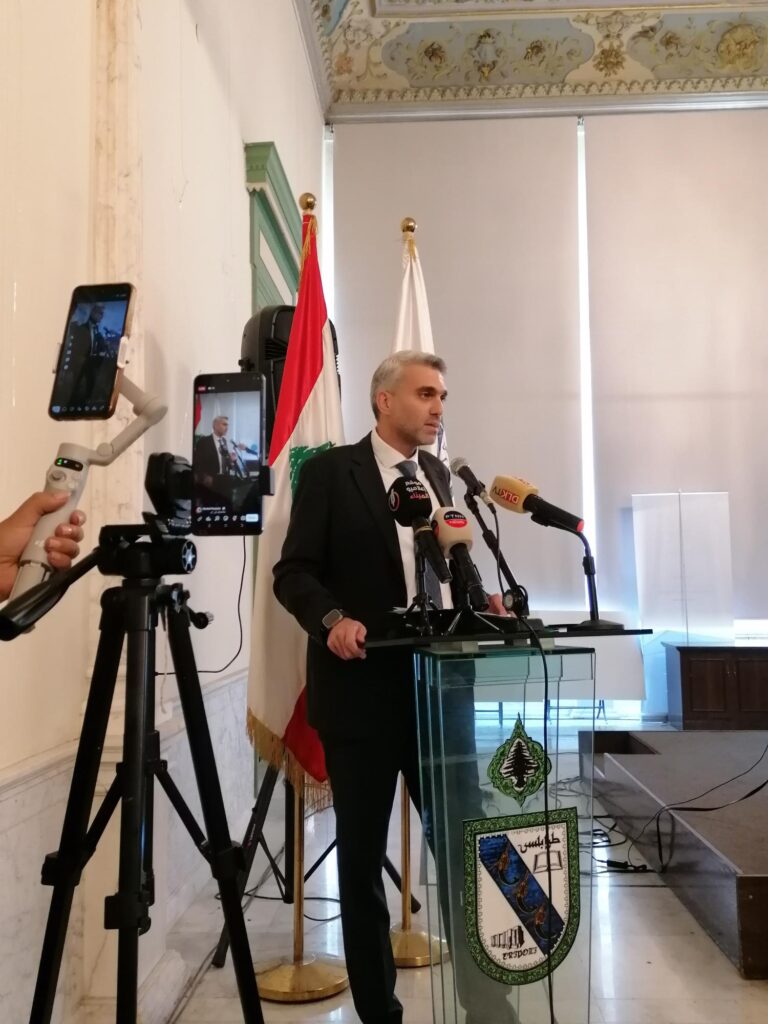
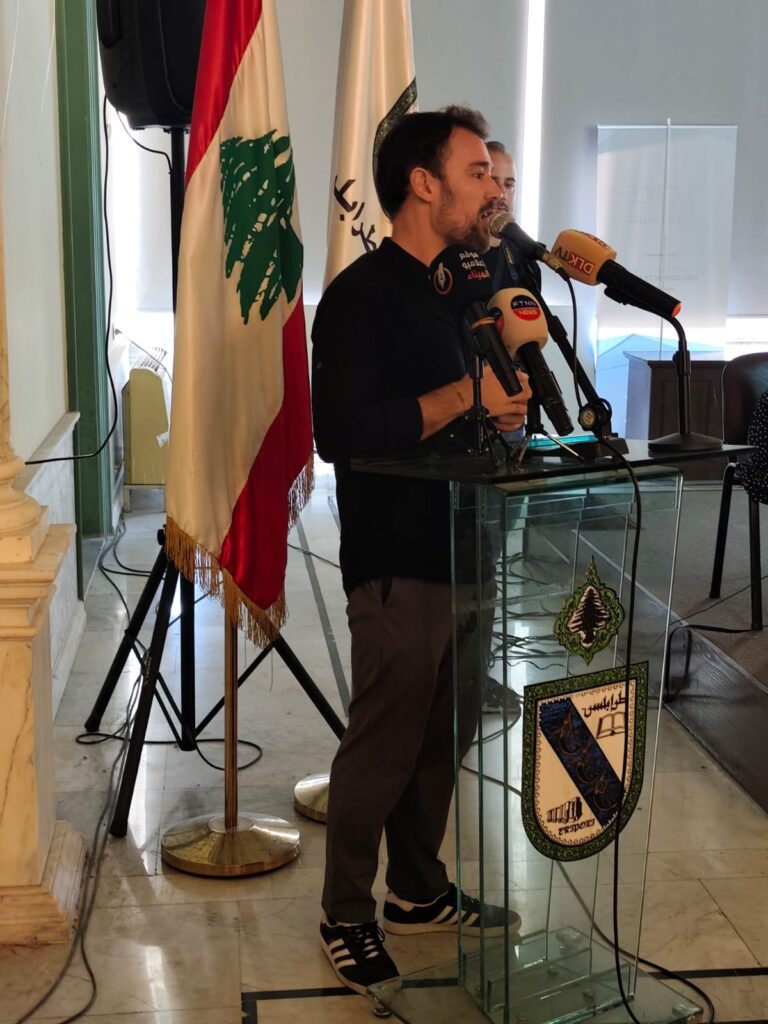
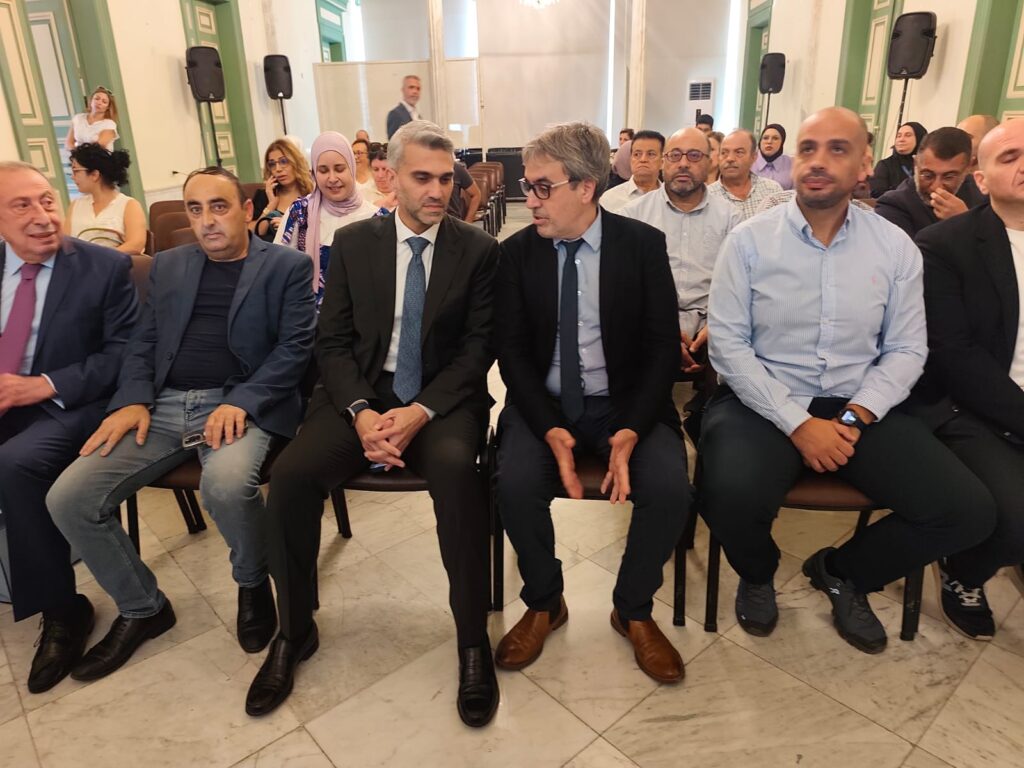
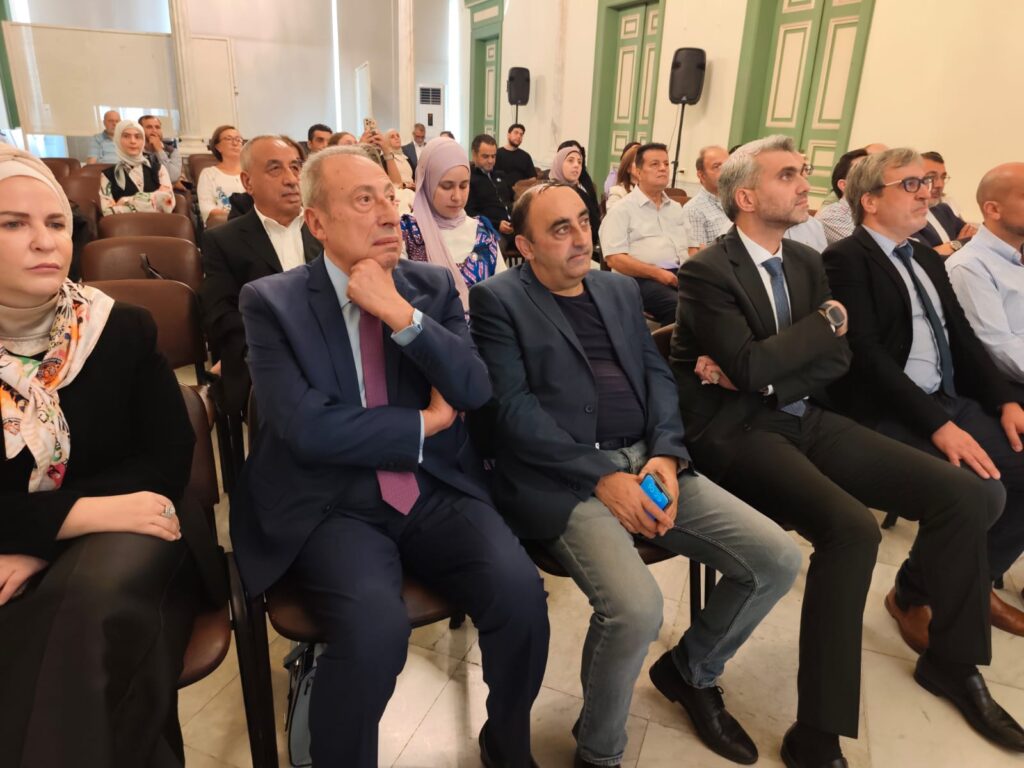
During the meeting, the Secretary-General delivered a speech marking the launch of the project funded by the Catalan Agency for Development Cooperation (ACCD) from the Catalan Government. He spoke about the project which put the accent on the design of the public space to make it equal for men and women uses and for the benefit of all segments of society in the city of Tripoli. He expressed his gratitude to all the parties that supported and contributed to setting the project on the right path. The meeting was also attended by the Spanish Honorary Consul in Lebanon, Mr. Houssam.
Political meetings with member city representatives
The Secretary-General of MedCities met with Lebanese member representatives, such as the Mayors of Mina, Tripoli, Zgharta–Ehden and the President of the Union of Municipalities of Dannieh.
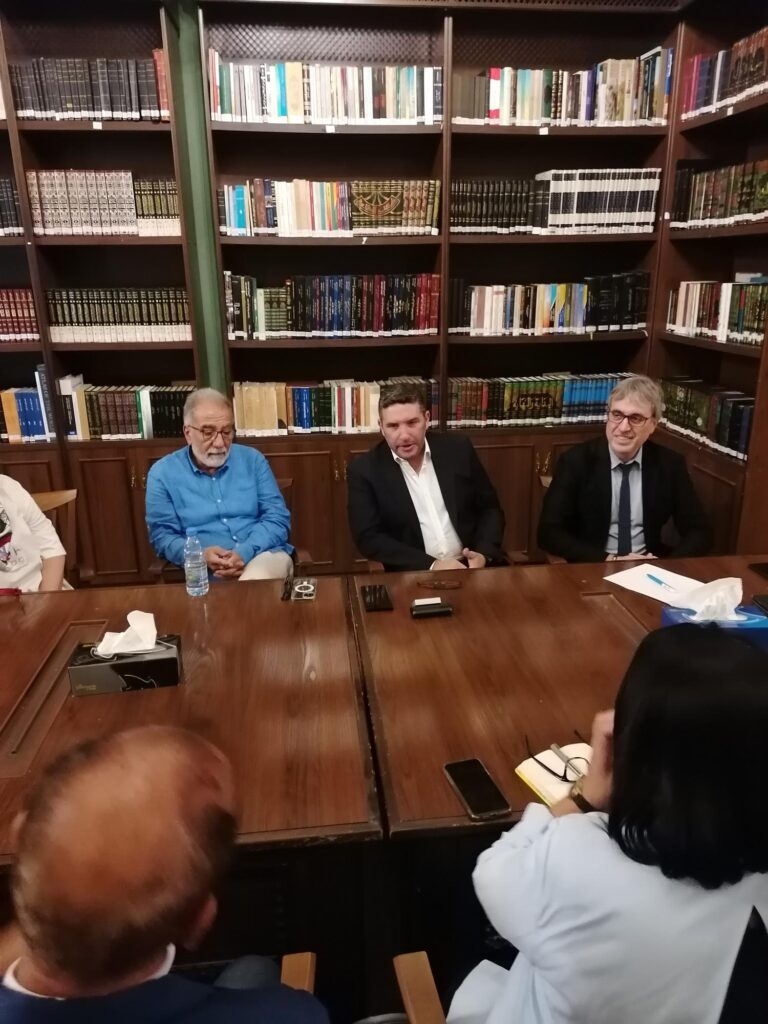
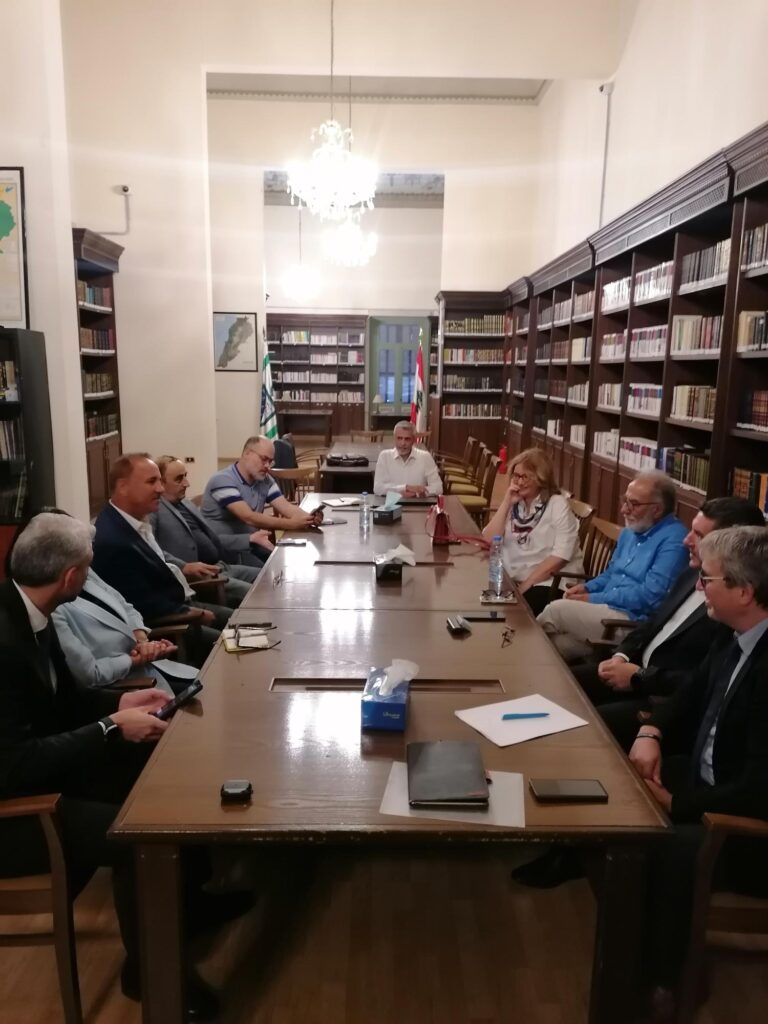
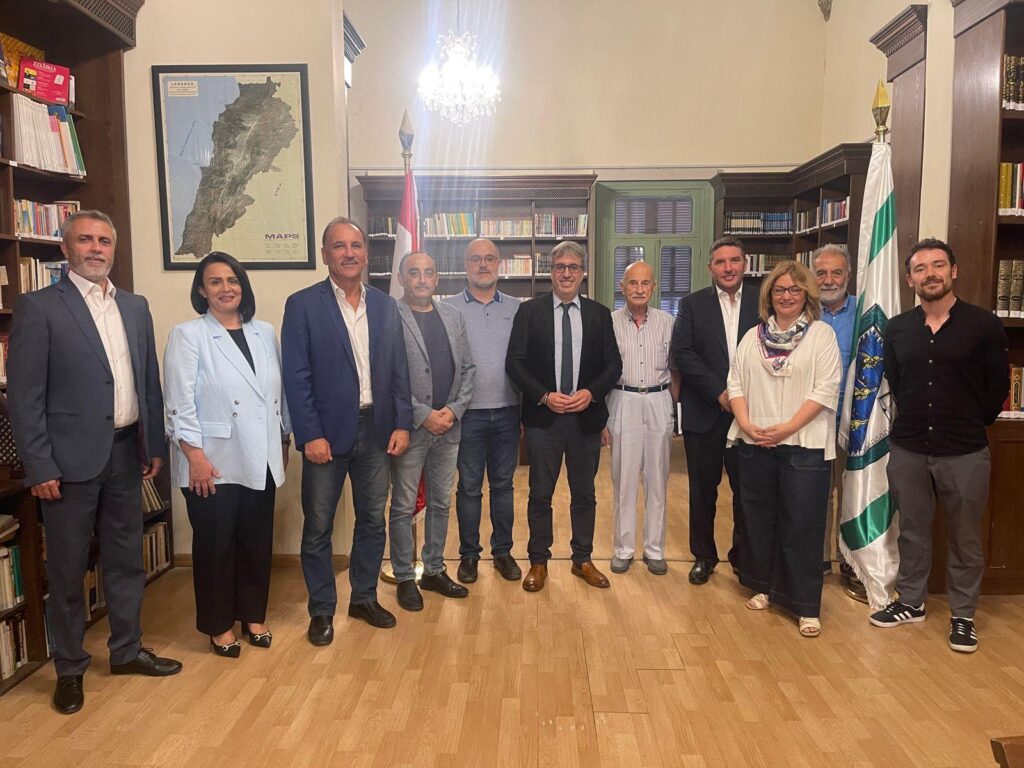
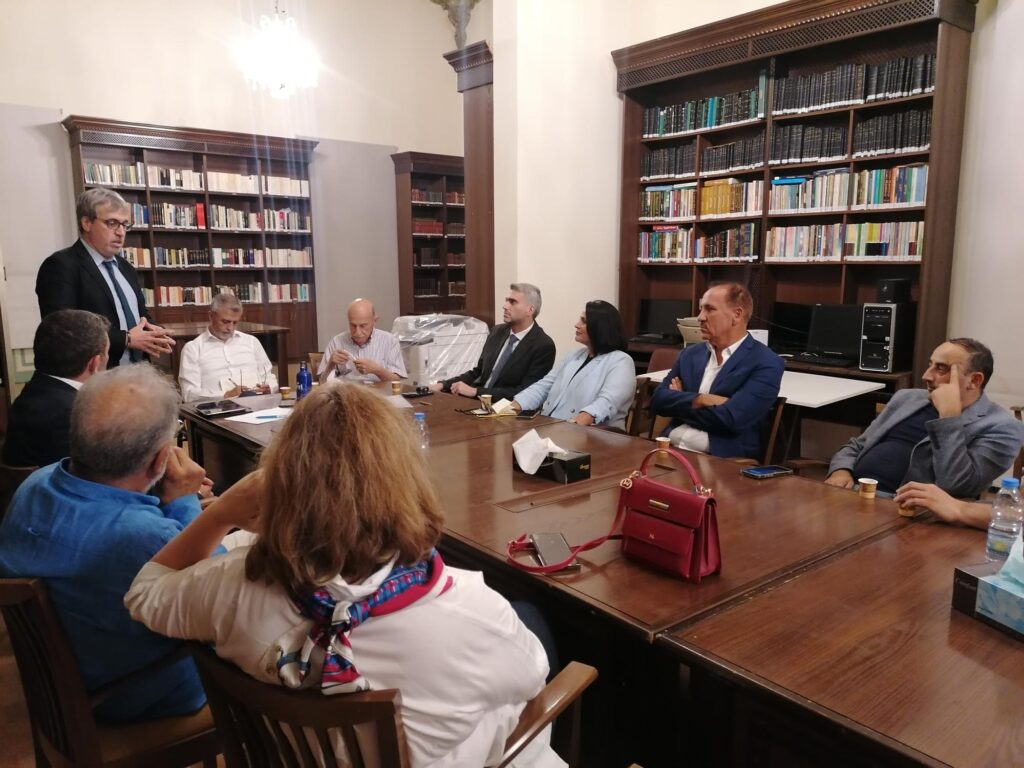
MedCities Secretary-General, Mr. Canals, presented the goals, activities, and projects of MedCities, particularly since the mayors had recently been elected and were not yet fully familiar with the organization. He encouraged the participants to engage in the organization’s four thematic areas and to draft projects related to these themes, assuring them that he would make every effort to seek international funding. He also urged those present to participate in the General Assembly and the Conference of Mediterranean Cities that will take place in Barcelona on 26-27th of November.
The Secretary-General asked them to share their concerns and priorities, stressing that each municipality should develop its own plan despite the obstacles and difficulties faced by municipalities due to the general situation in Lebanon. He confirmed that the MedCities management is proceeding in line with its 2030 Action Plan, and he emphasized the active participation of the President of the Union of Municipalities of Dannieh—who also serves as Vice President of the organization—in MedCities’ work.
The Secretary-General also addressed the role of the Knowledge Transfer Center (KTC), which is tasked with representing and following up on the organization’s projects in Lebanon, Palestine, and Jordan.
The attendees then raised their concerns, particularly regarding intractable infrastructure problems, especially those related to water and waste. One of the participants also highlighted the importance of holding meetings among Lebanese member municipalities of the association in order to exchange expertise and explore ways to overcome challenges and obstacles through cooperation.
MELUP training on inclusive urban planning
As done in Al Hoceima (Morocco) some weeks ago, and after the MELUP project was officially launched, the municipal team of Tripoli and different local stakeholders working on women’s rights, youth, and children, among others, had the opportunity to receive a three-day training on inclusive urban planning. Led by Sara Ortiz from Col·lectiu Punt 6, a cooperative made up of architects, sociologists, and urban planners specialized on promoting gender equality in the public space.
The sessions combined theory and practice, including “exploratory walks” where women assessed urban spaces, identifying opportunities and challenges related to safety, accessibility, and community life.
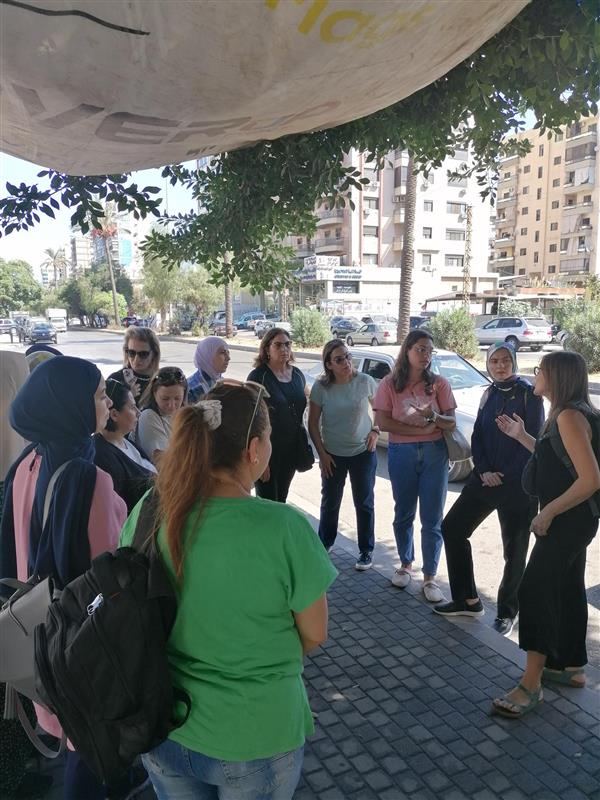
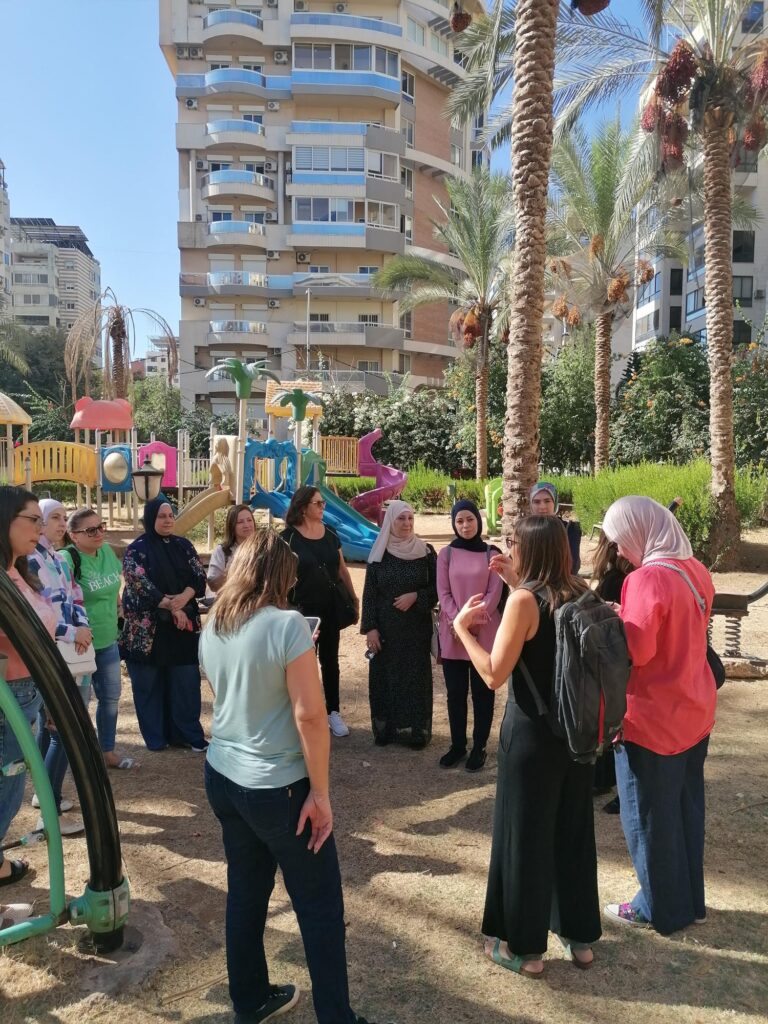
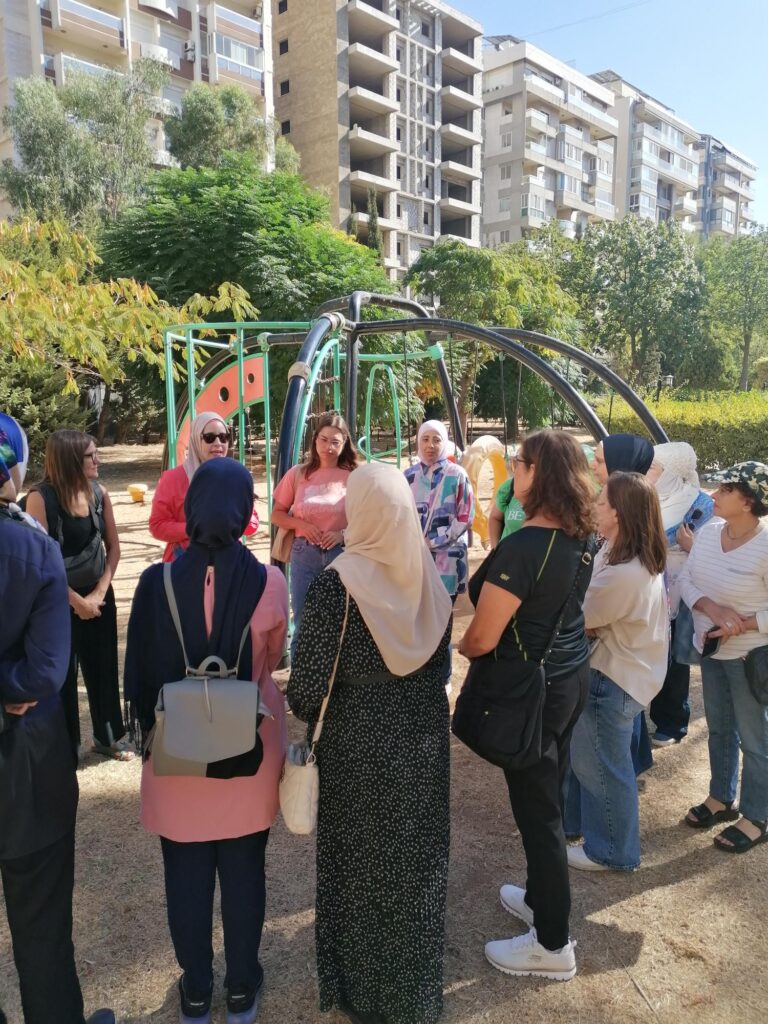
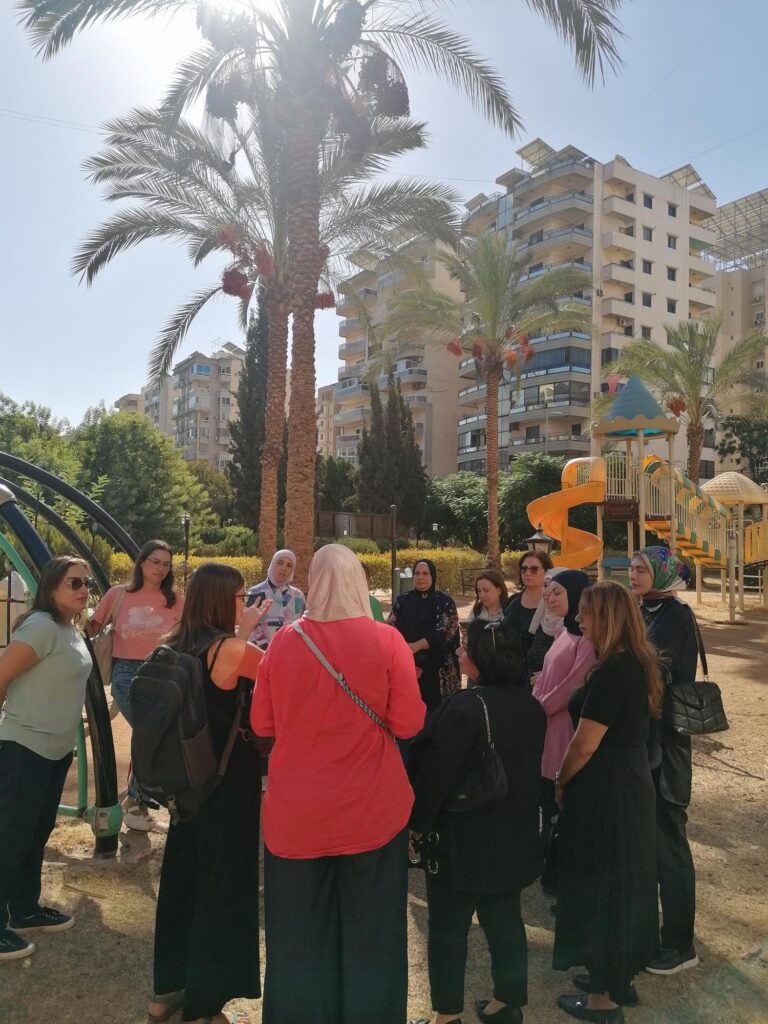
At the close of the training, participants selected a pilot area for a participatory diagnosis. This will lead to an action plan addressing barriers women face in accessing and using public spaces, supported by concrete proposals for more inclusive urban design. With an allocated budget of €20,000, the project will finance the adaptation of one specific public space.

The Mediterranean Lighthouse Bootcamp represents the annual gathering of Mission-funded projects, Charter signatories, and Mediterranean stakeholders. This was the occasion to bring together 3 of MedCities' members, Ancona, Genoa and the Metropolitan City of Mersin...

The ProcuraMed project online session gathered around 30 participants, including representatives from Tunis, Tétouan, Antalya and Muğla Metropolitan Municipalities, Sousse, Roskovec, Sarafand and the Union of Municipalities of Higher Chouf...

Gathering metropolitan and local representatives from across the region, the meeting addressed the urgent challenge of ensuring sustainable water governance amid increasing scarcity, uneven distribution, and climate pressures in Mediterranean urban area..
Subscriu-te al nostre butlletí mensual per rebre totes les notícies.
Nam porttitor blandit accumsan. Ut vel dictum sem, a pretium dui. In malesuada enim in dolor euismod
Nam porttitor blandit accumsan. Ut vel dictum sem, a pretium dui. In malesuada enim in dolor euismod

Nam porttitor blandit accumsan. Ut vel dictum sem, a pretium dui. In malesuada enim in dolor euismod

Nam porttitor blandit accumsan. Ut vel dictum sem, a pretium dui. In malesuada enim in dolor euismod
Nam porttitor blandit accumsan. Ut vel dictum sem, a pretium dui. In malesuada enim in dolor euismod
Nam porttitor blandit accumsan. Ut vel dictum sem, a pretium dui. In malesuada enim in dolor euismod