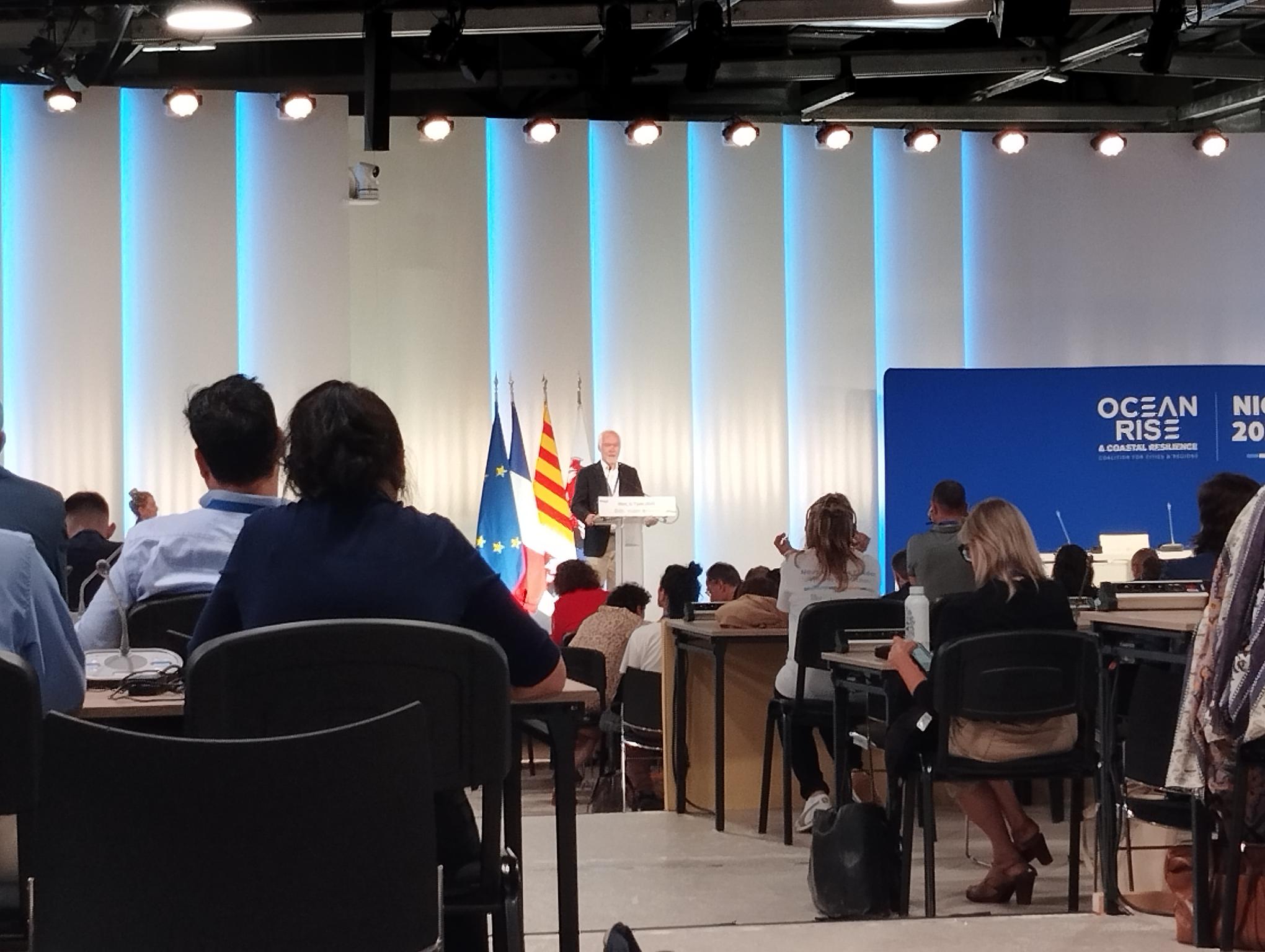
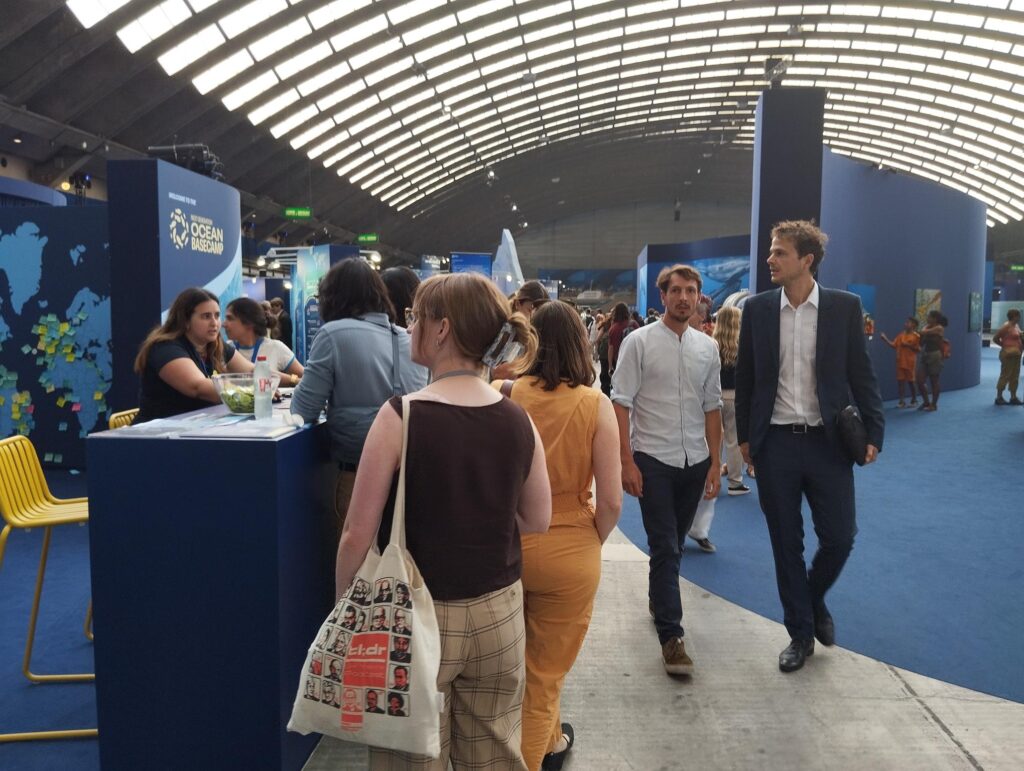
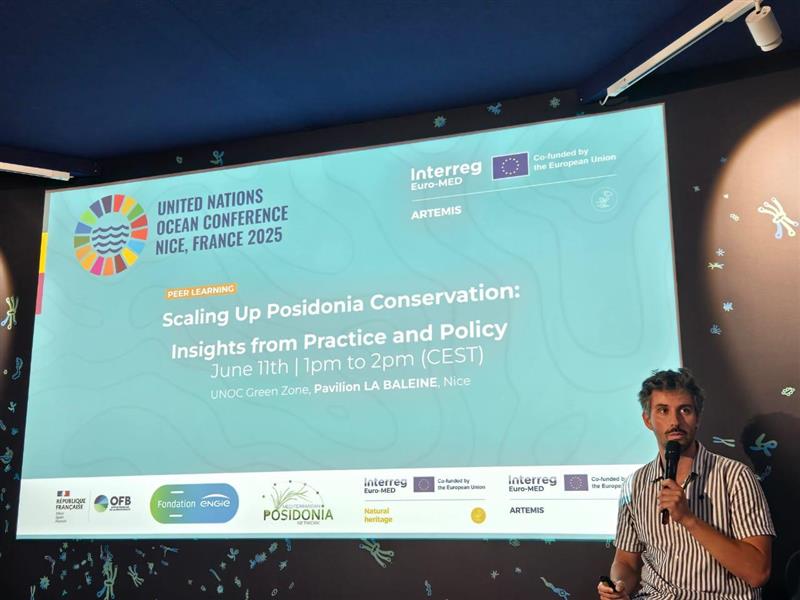
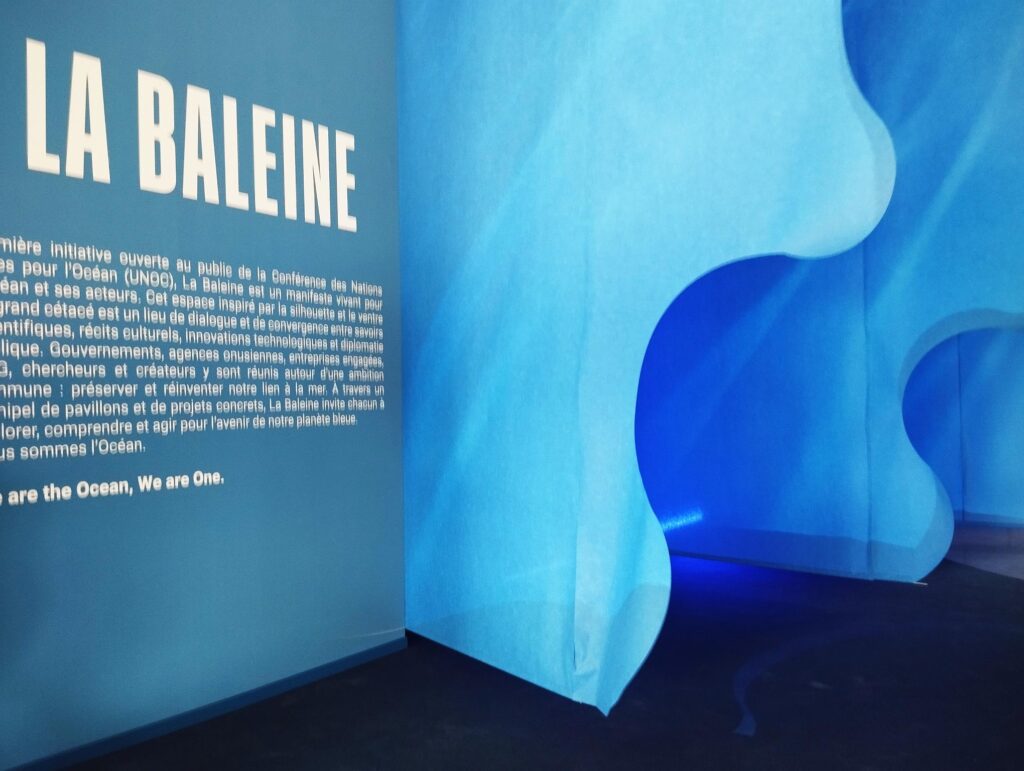
MedCities actively participated in the Third United Nations Ocean Conference (UNOC3), contributing to multiple high-level events aimed at strengthening collaboration between science, policy, and local authorities to protect marine ecosystems.
On June 7, 2025, the Ocean Rise & Coastal Resilience Summit, one of the special events of UNOC3, marked the official launch of the Coalition for coastal cities and regions. With over 200 local leaders gathered, including representatives of a number of MedCities members, the Summit demonstrated that cities, coastal regions, scientists, funders, and civil society are essential architects of climate change adaptation. This launch also marked the conclusion of the Sea’ties project, addressing the pressing challenges of coastal adaptation and which counted on the collaboration of MedCities. In that spirit, this final newsletter offers a recap of the Summit’s major announcements — and most importantly, an invitation to carry the mission forward. The Summit aimed to empower coastal communities as driving forces in building sustainable and resilient coastlines by facilitating access to capacity-building, financial, and scientific opportunities. Coastal cities and regions committed to adaptation are welcome to voluntarily join the Coalition by signing the Charter. It is a voluntary, free, and non-binding engagement. You can read and sign here, as some of our members already have.
A Voice for Coastal Authorities
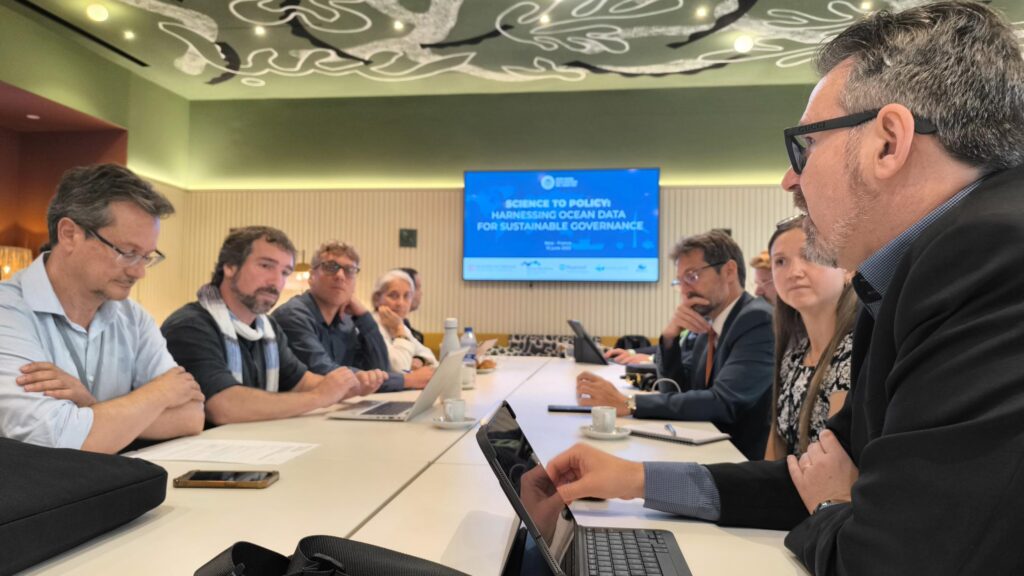
The MedCities Secretary General, Josep Canals, took part in a networking breakfast organized by the Government of Catalonia, focused on the theme « Science to Policy ». During his intervention, he highlighted the ANERIS Project, which exemplifies the power of citizen science in collecting vital data for ocean conservation efforts.
Alliances for Action: A Mediterranean Perspective
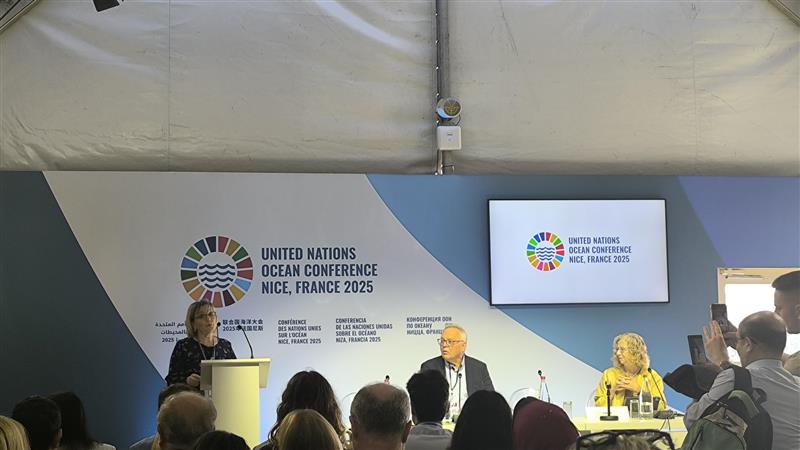
A thematic day, the Mediterranean Day on 10th June, at the conference served to address the acute challenges posed by climate change. Dubravka Šuica, European Commissioner for the Mediterranean, participated in the official opening and provided updates on consultations for the upcoming Pact for the Mediterranean, which will prioritize People, Economy, Peace, and Resilience.
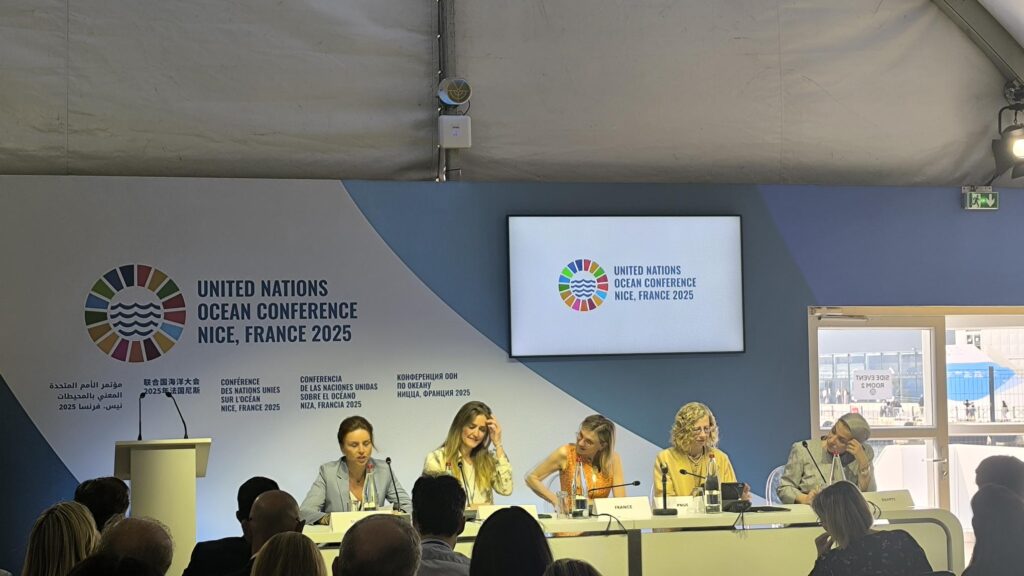
This was the occasion for Agnès Rampal, President of AVITEM, to introduce a collaborative initiative led by AVITEM, MedCities, and other Mediterranean institutions. This effort aims to build a unified Mediterranean vision for addressing coastal resilience challenges in line with the global Ocean Rise & Resilience Coalition.
A whole session was devoted to financing blue projects, including an intervention by the current opportunities posed by the EU Mission Ocean and Waters and BlueMissionMed project, to which MedCities is a partner.
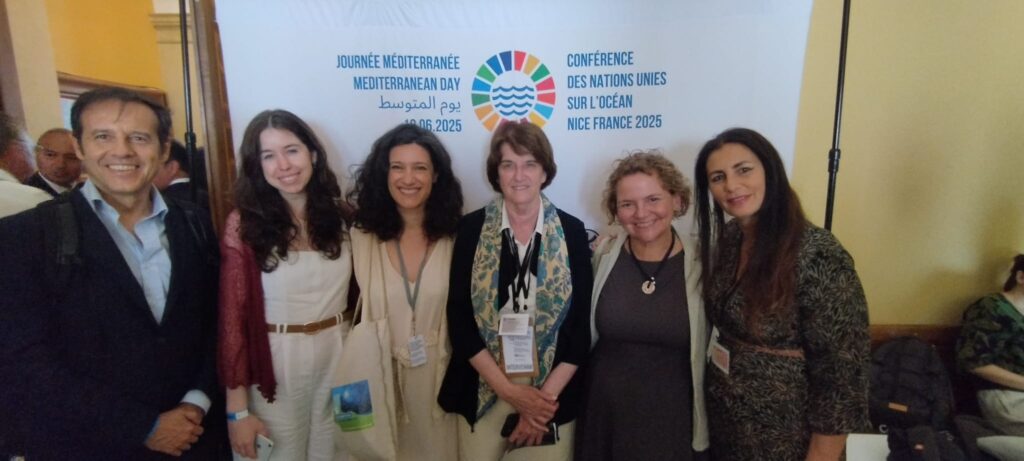
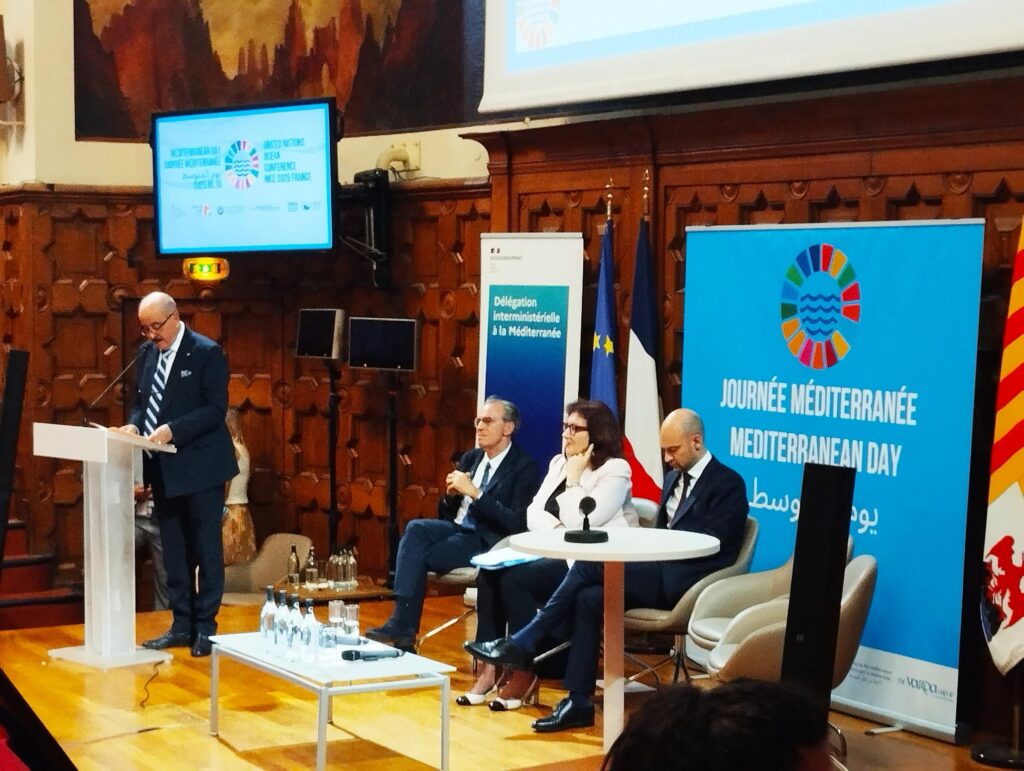
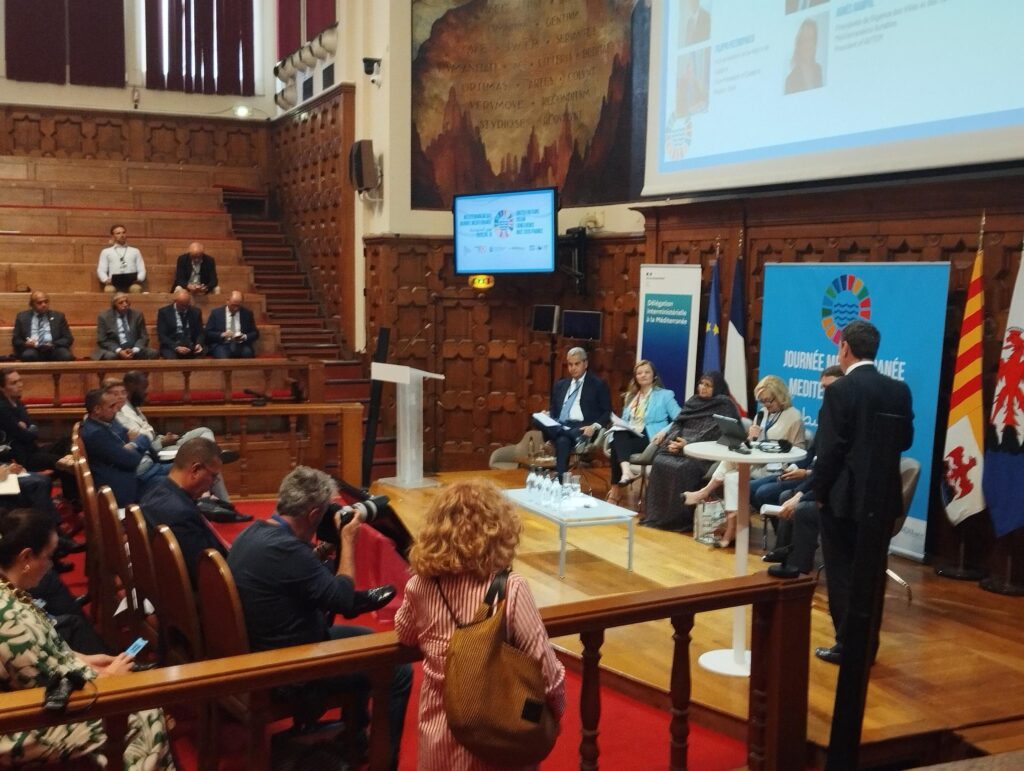
Also in the occasion of the Mediterranean Day, the ICM-CPMR held its General Assembly, during which it prepared an institutional policy session to promote ocean protection from source to sea across the Mediterranean basin.
The participation of Clare Hart, Vice President of Montpellier and Acting President of MedCities, emphasized the joint policy position document “Local Authorities for sustainable & Healthy Coastal Ecosystems” developed by the MedCities Coastal Cities Working Group. Her words emphasised:
She reaffirmed that coastal resilience depends on public participation and democratic governance. Her full speech can be watched:
At the same high-level roundtable of the CPMR-ICM, following contributions by representatives from Regione Calabria, the Adriatic Ionian Region, and EuroRegion, Josep Canals underlined the strategic role of metropolitan areas in safeguarding marine environments.
The Mediterranean Day was also dedicated, both in the Blue and Green Zones to the celebrations of the 50th Anniversary of the UNEP MAP Programme and the Barcelona Convention.
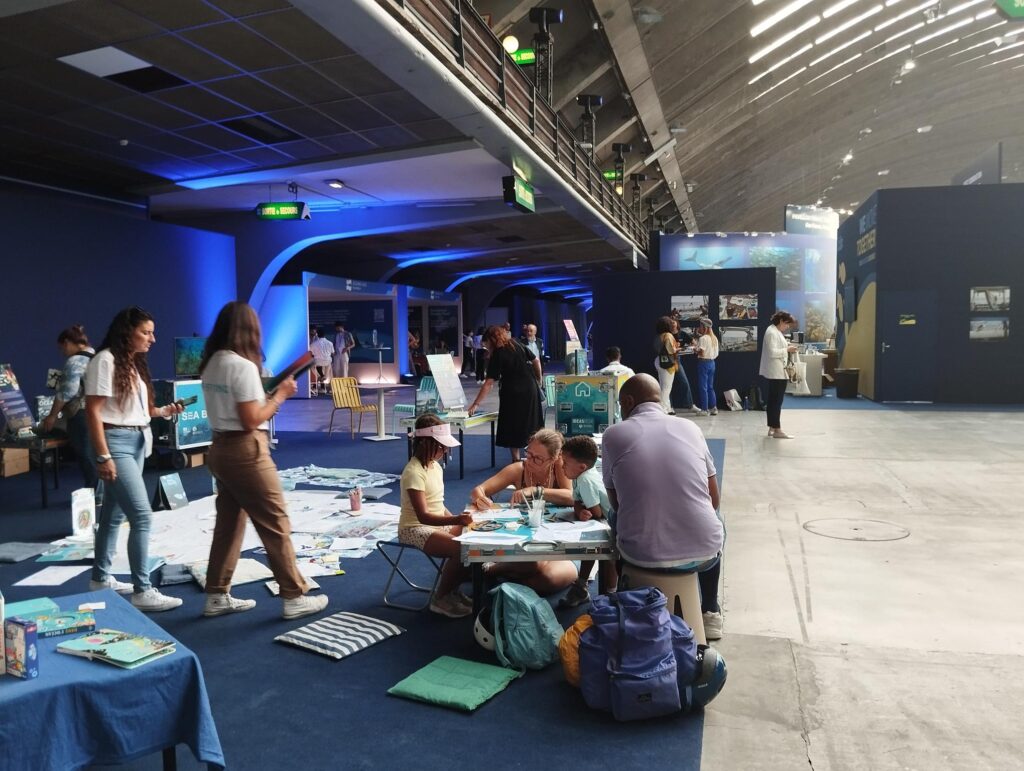
Addressing Degraded Ecosystems and Coastal Resilience
MedCities also joined a panel on the preservation and restoration of degraded ecosystems and Marine Protected Areas (MPAs) in the Mediterranean. Participants included representatives from MedPAN, Institut Méditerranéen de l’Eau, the Government of Catalonia’s departments of Agriculture and Maritime Policy and Sustainable Fisheries, and the Regional Center for Training and Water Activities (CRTTMA).
MedCities’ observer member MEDPAN, represented by Carole Martinez, emphasized the urgent need for strategic alliances to enhance the protection and restoration of marine ecosystems. These alliances, such as the one fostered by MedCities, were particularly relevant during the Africa-Mediterranean-Europe Cooperation session.
Conclusion
Participating in UNOC3 offered MedCities a unique opportunity to deepen its commitment to marine conservation through dialogue, collaboration, and advocacy. The network’s active involvement underscores the critical role of local and metropolitan authorities in shaping effective, inclusive, and science-informed ocean policies. Explore the joint policy position by MedCities’ coastal cities here.
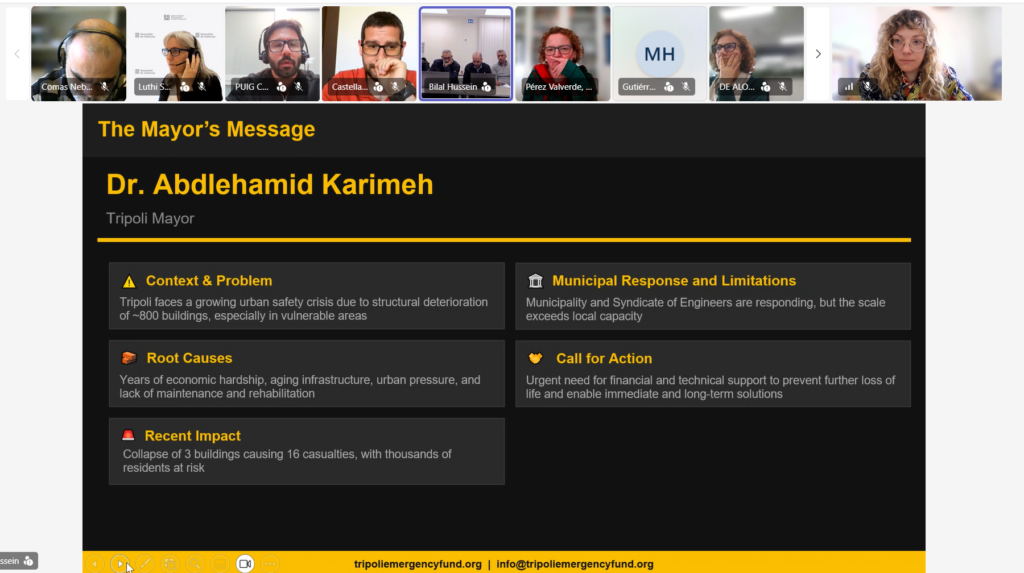
Despite reacting in a context marked by economic crisis and ongoing war, the Municipality of Tripoli has demonstrated a remarkable capacity for rapid response, positioning itself as a strong example of local resilience under pressure...
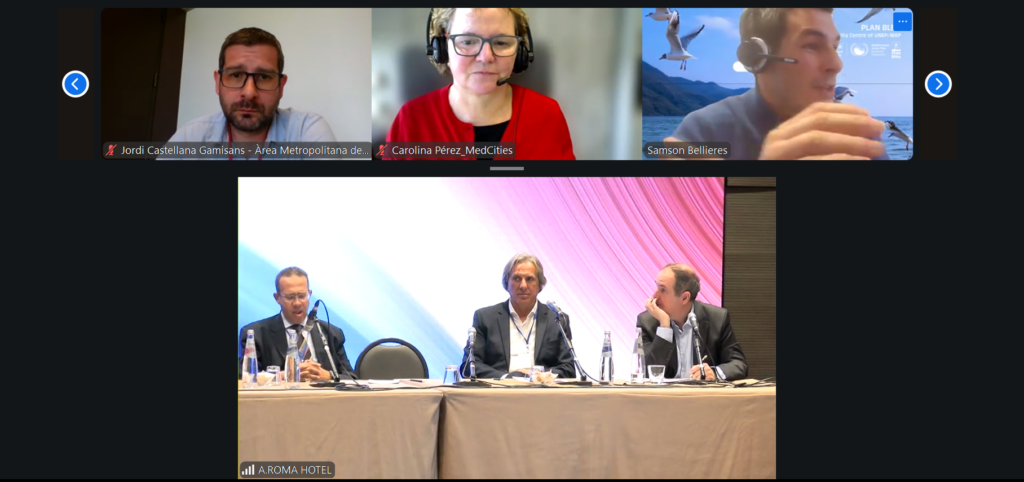
Digital technologies are emerging as a key driver in improving the management of natural resources across the interconnected Water-Energy-Food-Ecosystems (WEFE) Nexus. By integrating both established and emerging digital tools, institutions can enhance efficiency, sustainability, and resilience across sectors, particularly within the Source-to-Sea (S2S) continuum. Efforts to accelerate this transformation are already underway. Since 2024, a […]
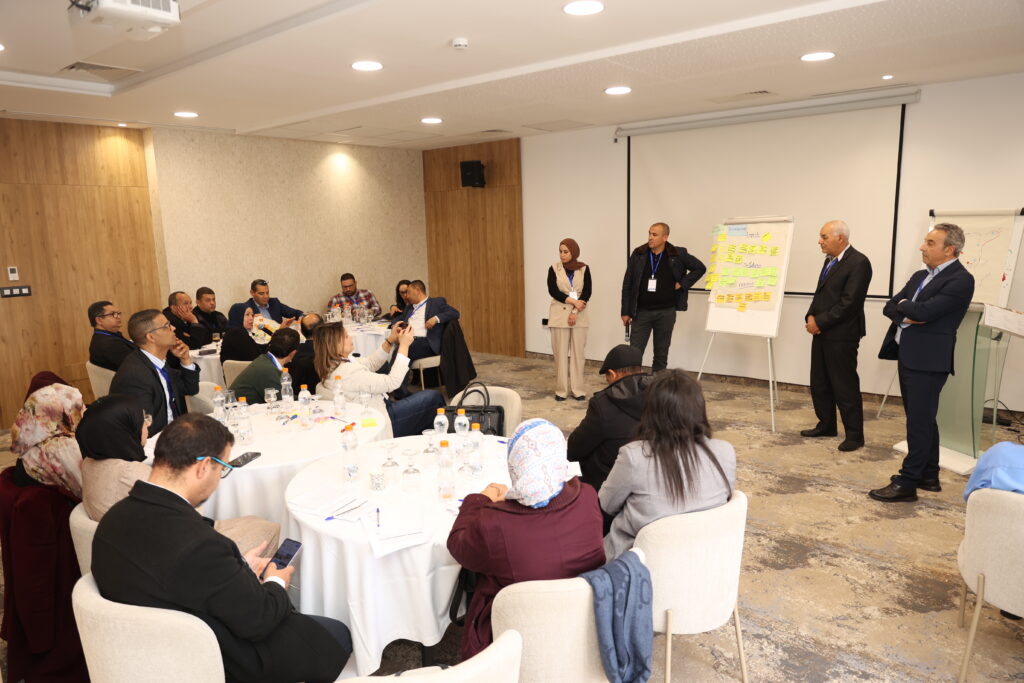
MedCités et la GIZ Tunisie, en partenariat avec le Ministère de l’Intérieur tunisien, organisent à Tunis l’événement de lancement des activités d’échange entre communes tunisiennes dans le cadre du projet UrbA-CliMa
Abonnez vous au bulletin mensuel pour recevoir toutes nos nouvelles.

Nam porttitor blandit accumsan. Ut vel dictum sem, a pretium dui. In malesuada enim in dolor euismod
Nam porttitor blandit accumsan. Ut vel dictum sem, a pretium dui. In malesuada enim in dolor euismod

Nam porttitor blandit accumsan. Ut vel dictum sem, a pretium dui. In malesuada enim in dolor euismod

Nam porttitor blandit accumsan. Ut vel dictum sem, a pretium dui. In malesuada enim in dolor euismod
Nam porttitor blandit accumsan. Ut vel dictum sem, a pretium dui. In malesuada enim in dolor euismod

Nam porttitor blandit accumsan. Ut vel dictum sem, a pretium dui. In malesuada enim in dolor euismod