Mediterranean cities sit at the crossroads of water, energy and food demand, and at the frontline of climate pressure. As urban areas concentrate consumption and reshape surrounding ecosystems, experts warn that fragmented policymaking risks doing more harm than good.
A siloed approach can lead to maladaptive outcomes: large-scale desalination may secure water supplies but drive up energy demand and emissions; expanded irrigation can strain environmental flows; and hard flood defences may damage alreadyfragile urban ecosystems. Advocates of the Water-Energy-Food-Ecosystems (WEFE) Nexus argue thatintegrated planning offers a way forward, helping local governments identify trade-offs while unlocking co-benefits, from wastewater reuse combined with energy recovery to urban greening projects that cool neighbourhoods and provide irrigation.
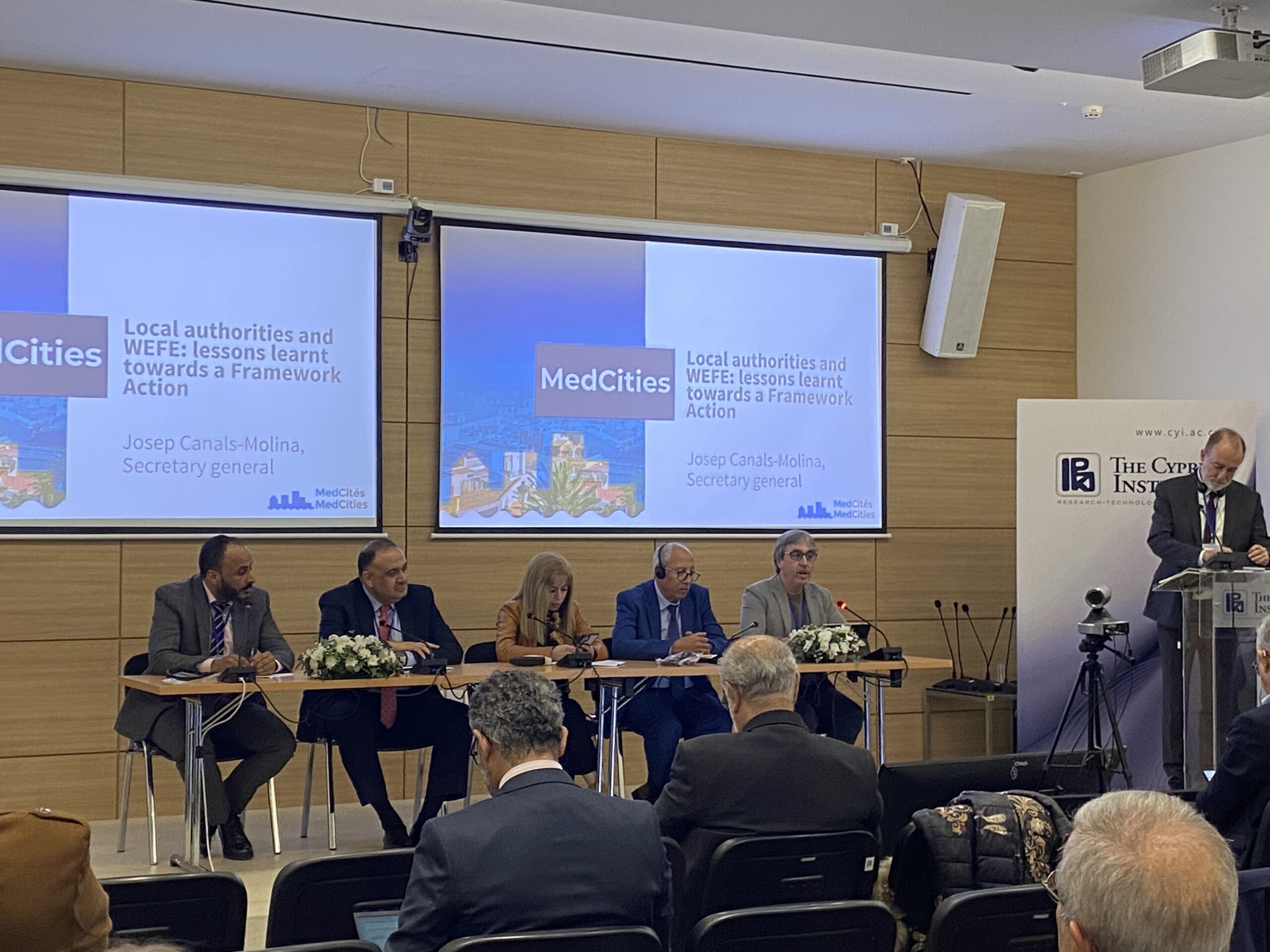
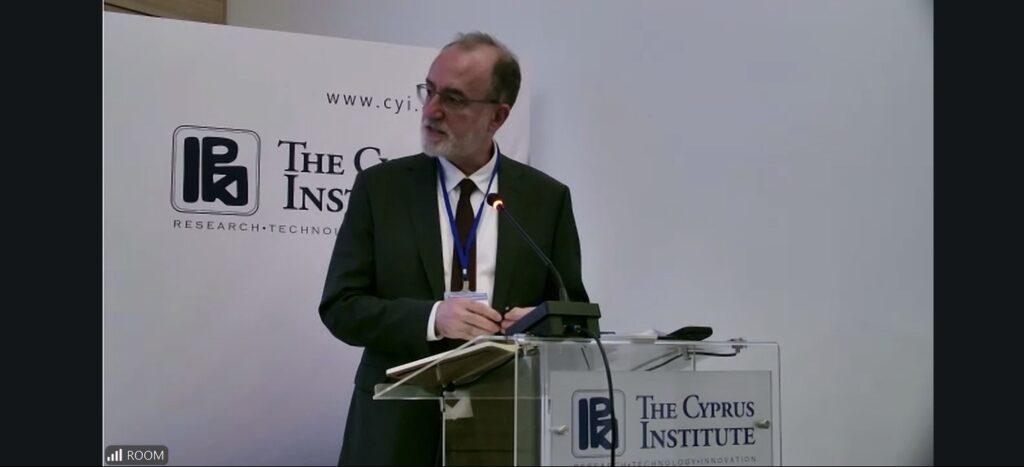
That message was central to the intervention of MedCities Secretary General Josep Canals at the Regional Conference on Water-Energy-Food-Ecosystems Nexus in the Mediterranean Source-to-Sea Continuum: From Strategy to Action (Nicosia, 24-26 February 2026). Bringing the perspective of local authorities, Canals emphasised the need to strengthen awareness and technical capacity at the municipal level so cities are both equipped and willing to implement Nexus thinking in practice.
Josep Canals, MedCities Secretary General, said:
« Perhaps most mayors in the Mediterranean have never heard of the WEFE approach, but it does exist, and many are surely working on projects that do not mention the acronym WEFE but do incorporate this approach, at least in two of the areas it addresses. »
The Secretary General gave some examples about the projects MedCities is working on that contain the WEFE approach; the first one is the WEFE4Med, but also the Mediterranean cities network works in the NaturIncMed (funded by AECID), the InterregEuroMED– URWAN, the Valeur Gabès in Tunisia -valorisation of non-conventional waters-, or the work done among members in the MedCities Working Group in greener and resilient cities.
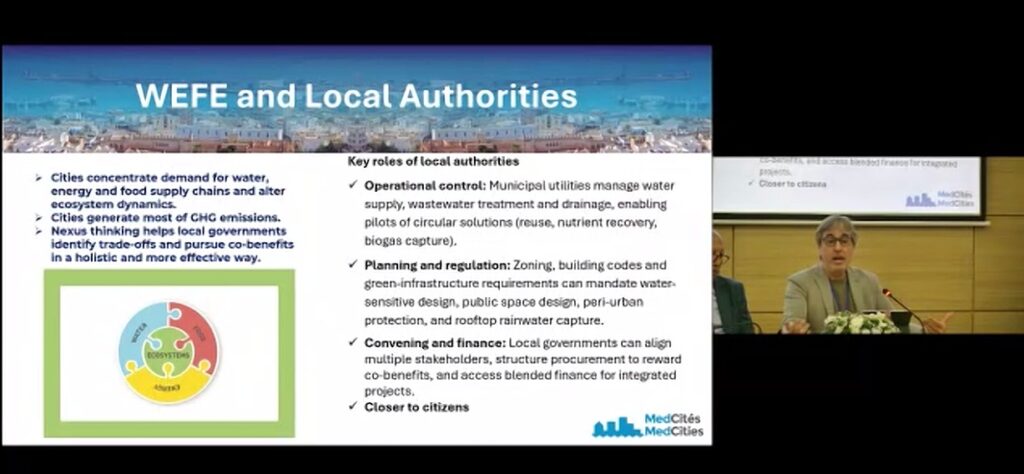
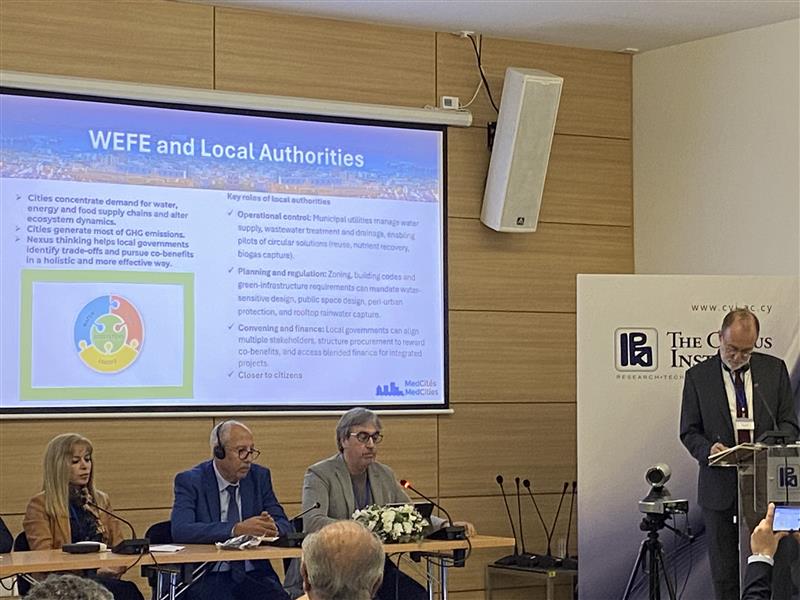
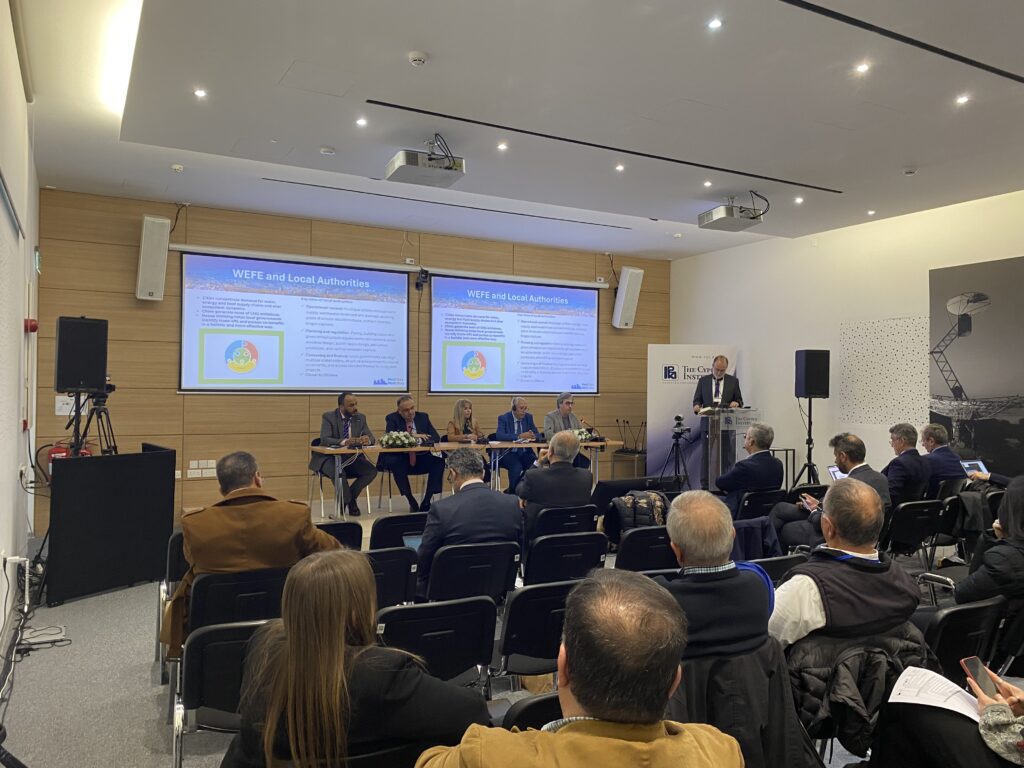
MedCities is advancing that effort through initiatives such as the Barcelona Academy for Mediterranean Municipalities and its participation in the WEFE4Med Community of Practice project. The network is also supporting on-the-ground implementation through projects focused on urban regeneration and nature-based solutions, aimed at improving water management while advancing climate adaptation goals.
The conference convenes decision-makers, researchers, practitioners and regional institutions to translate WEFE policies into operational action and promote climate-resilient, financially sustainable resource management. Held under the auspices of the Cyprus Presidency of the Council of the European Union, the Union for the Mediterranean (UfM), UNEP/MAP and PRIMA, the event takes place within the framework of the WEFE4MED project and GEF MedProgramme initiatives.
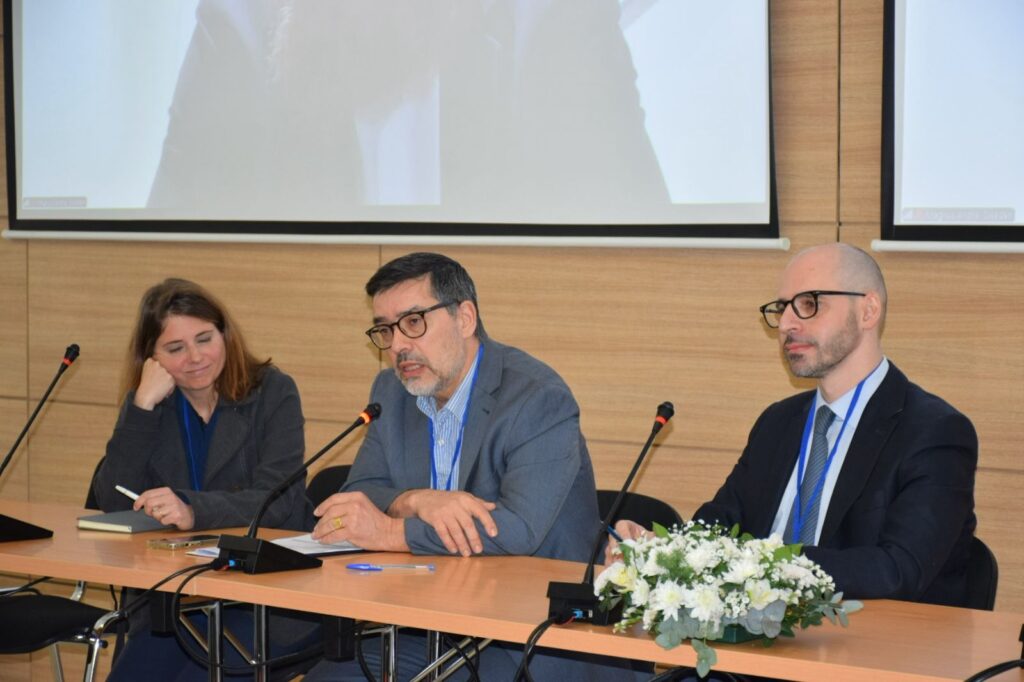
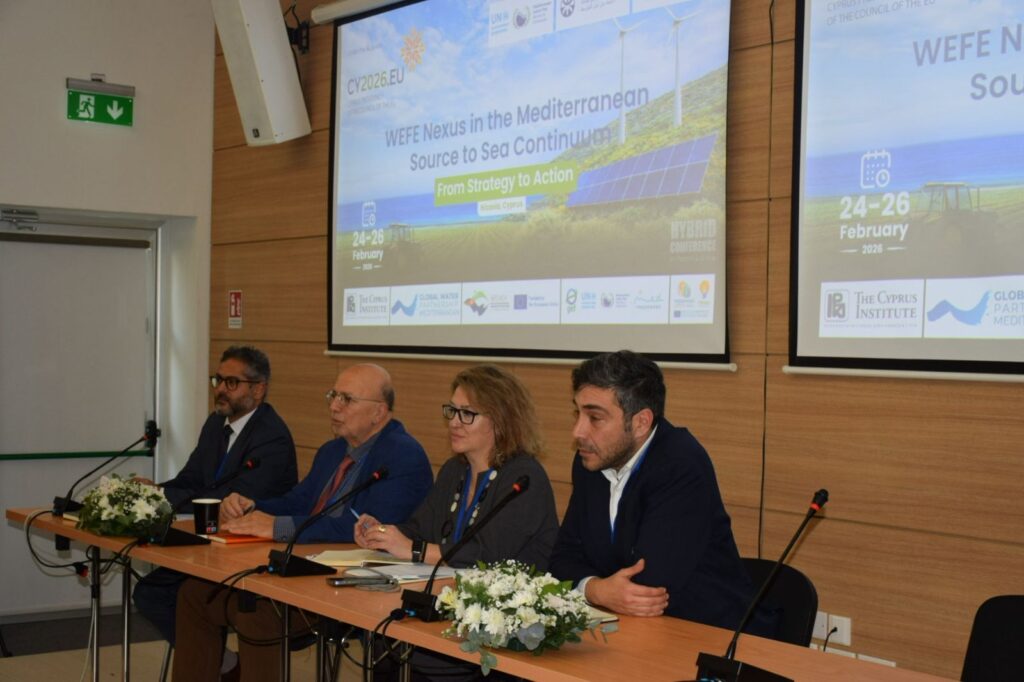
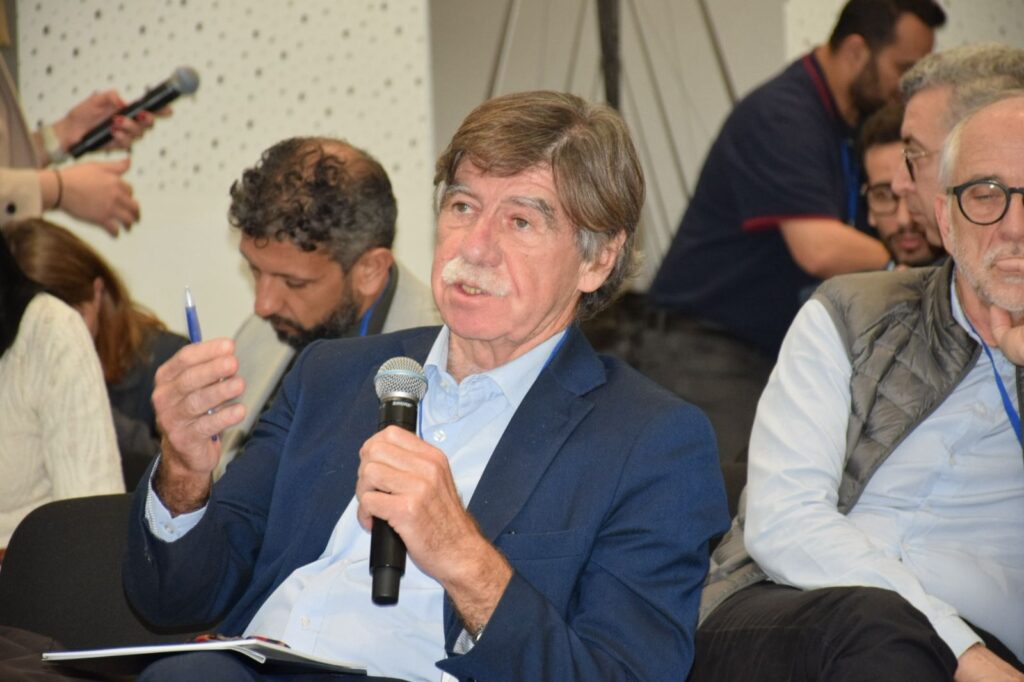
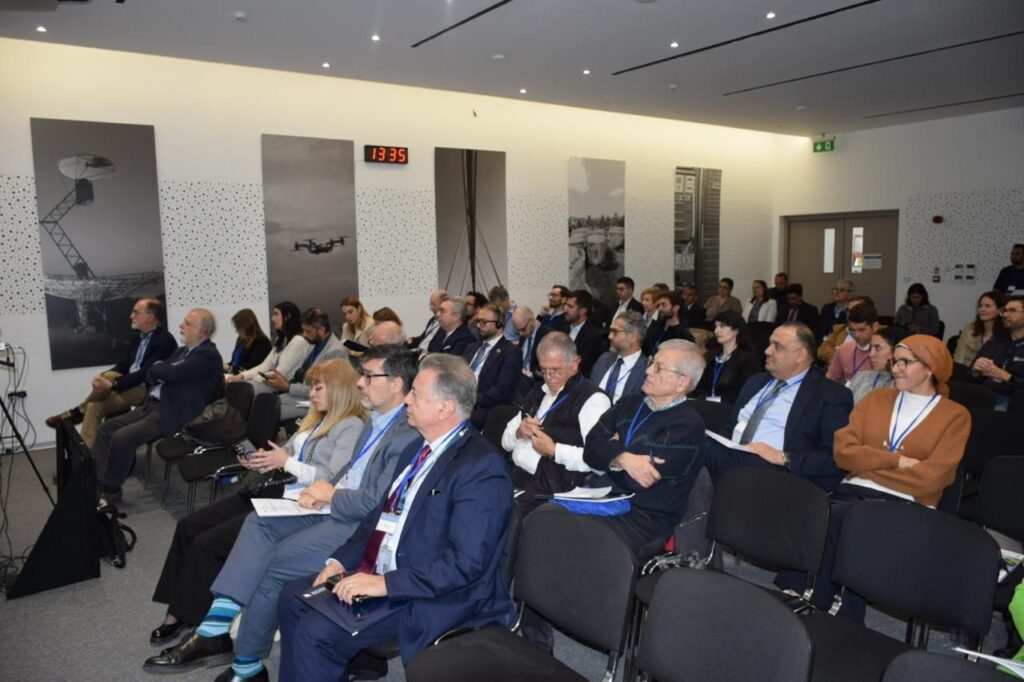
Building on the momentum of the 2021 WEFE Nexus Science Advances Conference, participants aim to showcase practical solutions from across the Mediterranean, explore governance and financing pathways, strengthen cross-sector collaboration, and connect Nexus implementation to broader regional climate resilience efforts.
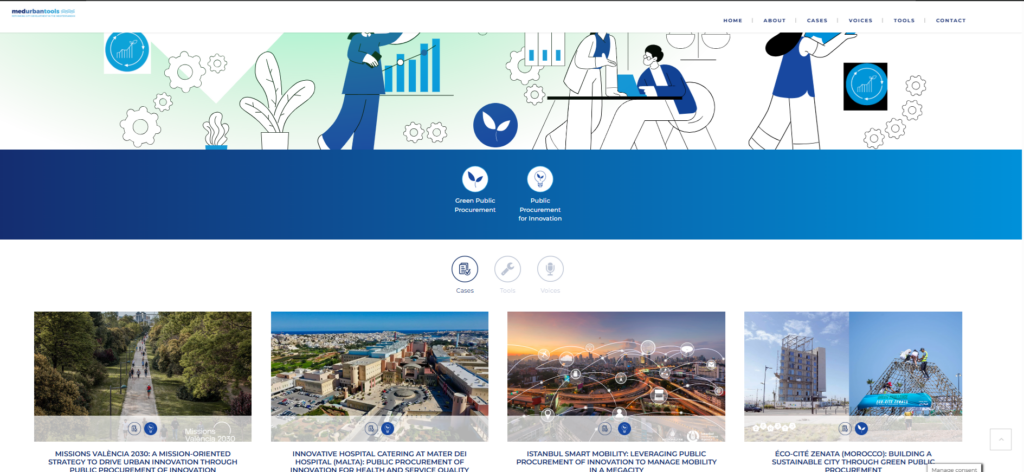
A new resource hub developed by MedCities promotes sustainable and strategic public procurement across the Mediterranean.

Hosted by Malta’s Energy and Water Agency and MedCities, the two-day event focused on the URWAN NbS Enabler Pack, led by MedCities...

MedCities and partners promote knowledge exchange on sustainable waste management under the project Enhancing Regional Exchanges for Local Service Provision in Libya...
Abonnez vous au bulletin mensuel pour recevoir toutes nos nouvelles.

Nam porttitor blandit accumsan. Ut vel dictum sem, a pretium dui. In malesuada enim in dolor euismod
Nam porttitor blandit accumsan. Ut vel dictum sem, a pretium dui. In malesuada enim in dolor euismod

Nam porttitor blandit accumsan. Ut vel dictum sem, a pretium dui. In malesuada enim in dolor euismod

Nam porttitor blandit accumsan. Ut vel dictum sem, a pretium dui. In malesuada enim in dolor euismod
Nam porttitor blandit accumsan. Ut vel dictum sem, a pretium dui. In malesuada enim in dolor euismod

Nam porttitor blandit accumsan. Ut vel dictum sem, a pretium dui. In malesuada enim in dolor euismod